
Lieferung heute & morgen

Qualitätsgarantie

Willkommens-Angebote freischalten: KOSTENLOSE Lieferung | Bis zu 80 % RABATT | Kostenlose 30-Tage-JoyPlus-Testphase
App herunterladen
Finding authentic Asian sweets in Germany can often be a challenge. Many fans of Asian cuisine miss the specific flavours and textures they know from their home countries or travels. Whether it's a soft, slightly bittersweet Japanese matcha cake or a traditional Chinese rice cake, availability in local shops is often limited.
This article serves as a practical guide. As your Joybuy Product Recommendation Officer, I have gathered information on various types to give you a clear overview. The goal is to help you find the right products for your taste and understand what to look for when making your selection.
To make the right choice, it helps to have some basic knowledge about the characteristics of Asian baked goods.
Asian cakes often differ significantly from their European counterparts. A key feature is the texture. Many varieties, especially the Chinese rice cake (Nian Gao), are based on glutinous rice flour, which gives them a characteristic, slightly chewy consistency (often described as "chewy" or "Q"). Others, like the Japanese Castella cake, are known for their extremely airy and moist crumb. Preparation methods also vary widely, ranging from baked and steamed to boiled.
The authenticity of a cake can often be determined by its ingredients. Traditional fillings like red bean paste (adzuki beans), lotus seed paste, or pandan are typical. For a high-quality matcha cake, for instance, the origin of the green tea powder is crucial, with Uji matcha being considered particularly premium. Unlike many Western desserts, the sweetness is often more subtle and balanced to highlight the flavours of the main ingredients. A look at the ingredients list also helps identify products made without excessive artificial additives.
While specialised Asian supermarkets are a good starting point, shopping for Asian snacks online often offers a much wider selection and greater convenience. Online platforms allow you to search for specific products, such as mooncakes for autumn festivals, and compare ingredients at your leisure. This is especially practical for those who don't live near a well-stocked shop.
Here is a selection of products that represent different facets of Asian baking artistry.
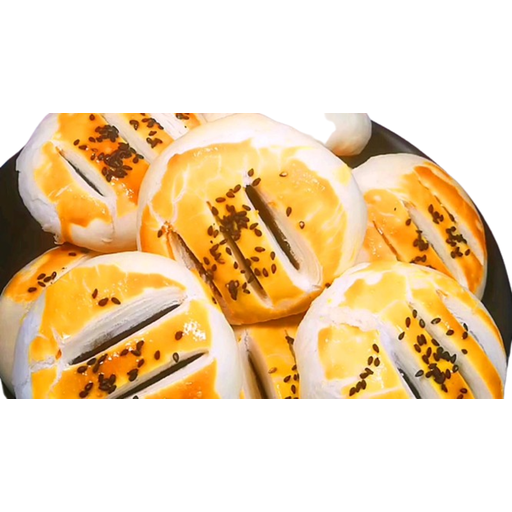
Why It Stands Out This pastry embodies traditional Cantonese baking. It features a delicate, flaky crust and a smooth red bean paste filling. The sweetness is intentionally subtle, making it an ideal companion to hot Chinese tea. Made according to an authentic Hong Kong recipe, it delivers a multi-layered texture.
Pros
Who It's For For lovers of classic Cantonese pastries and anyone who prefers a refined, not-too-sweet snack for tea time or as a dessert.
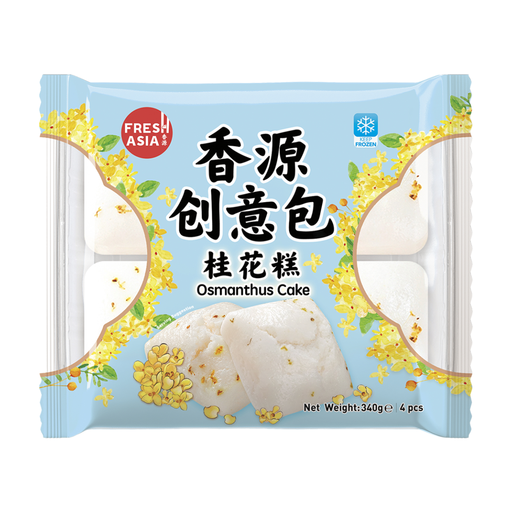
Why It Stands Out This rice cake offers a unique flavour experience through the use of osmanthus flowers. They give the cake a delicate, floral aroma that harmonises perfectly with the soft, slightly sticky texture of the glutinous rice. As a ready-to-eat product, it's a hassle-free option for a quick dessert or a special snack.
Pros
Who It's For For those who are curious about new flavour experiences and appreciate the subtle, floral notes of Chinese dessert cuisine.

Why It Stands Out This cake combines the airy texture of a Japanese Castella cake with the intense flavour of high-quality Uji matcha. The light, moist cake base is perfectly balanced by the subtle bitterness of the green tea. The individually wrapped pieces make it a convenient treat for on the go or as a small gift.
Pros
Who It's For For fans of Japanese culture and the distinctive taste of an authentic matcha cake. Ideal for anyone who appreciates a light yet aromatic cake.
If your favourite type wasn't featured, or if you want to explore the wider world of Asian sweets, there are many more options available. From mochi and filled wafers to a variety of pastries, Asian patisserie offers an enormous range waiting to be discovered.
Explore our full range of desserts and find your new favourite in our Ready-Made Desserts category.
Asian cakes are often distinguished by their unique textures and balanced flavour profiles. Instead of heavy buttercreams, lighter ingredients and fillings like red bean paste, matcha, sesame, or fruit take centre stage. Textures range from extremely soft and airy (e.g., Japanese cheesecake) to pleasantly chewy and sticky (e.g., mochi and rice cakes). The sweetness is generally more restrained than in European baked goods.
You can find authentic products in well-stocked Asian supermarkets in major cities. Specialised online shops that focus on importing and distributing food from Asia often offer a broader and more convenient selection. There, you can search specifically for certain brands or cake types and often find products that are not available in brick-and-mortar stores.
Proper storage depends on the type of cake. Dry, packaged baked goods like the St.Anny Red Bean Cake or the Sakura Seika Matcha Cake should be kept in a cool, dry place. Once opened, it is best to store them in an airtight container and consume them quickly. Fresh or chilled products like the FRESHASIA Osmanthus Cake must be kept in the refrigerator, as indicated on the packaging. It is always advisable to follow the storage instructions on the product packaging.