
Lieferung heute & morgen

Qualitätsgarantie

Willkommens-Angebote freischalten: KOSTENLOSE Lieferung | Bis zu 80 % RABATT | Kostenlose 30-Tage-JoyPlus-Testphase
App herunterladen
The sheer variety of Asian chili sauces can be a challenge for home cooks. Whether for an authentic Korean bibimbap, a fiery Sichuan dish, or a simple stir-fry, choosing the right sauce is crucial for the perfect result. This guide will help you understand the differences between various pastes and sauces and make an informed decision when you want to buy Asian chili sauce. We provide objective information on the characteristics and applications of popular products.
To find the right sauce for your kitchen, three aspects are particularly important: the base ingredients, the flavor profile, and the intended use.
Asian chili sauces can be broadly divided into two categories. On one hand, there are sauces where chilis are the main ingredient, often supplemented with garlic or vinegar. A typical example of this is chili garlic sauce.
On the other hand, there are fermented pastes based on soybeans or broad beans. These pastes, such as Korean chili paste (gochujang) or Chinese bean paste (toban djan or doubanjiang), develop a deep, complex umami flavor through the fermentation process that goes far beyond pure heat.
The flavor profile is directly linked to the ingredients.
Consider which dishes you need the sauce for.
Here is a selection of sauces that cover different flavor profiles and applications.

Why It Stands Out: This sauce from Lee Kum Kee combines robust heat with the intense aroma of garlic. According to the manufacturer, it consists of 59% salted chili peppers, ensuring a concentrated flavor. Its ready-to-use consistency makes it a hassle-free condiment.
Advantages:
Who It's For: For cooks looking for an all-purpose spicy Asian sauce for everyday use. It's excellent for adding a spicy kick to dishes quickly and easily.

Why It Stands Out: The Bibigo paste is a classic gochujang, a fermented Korean chili paste that is a cornerstone of Korean cuisine. Its ingredient list includes corn syrup, chili paste, wheat flour, and fermented soybeans, giving it a characteristic sweet, spicy, and deep umami profile.
Advantages:
Who It's For: For lovers of Korean cuisine who want to prepare authentic dishes like bibimbap, tteokbokki, or spicy stews (jjigae).
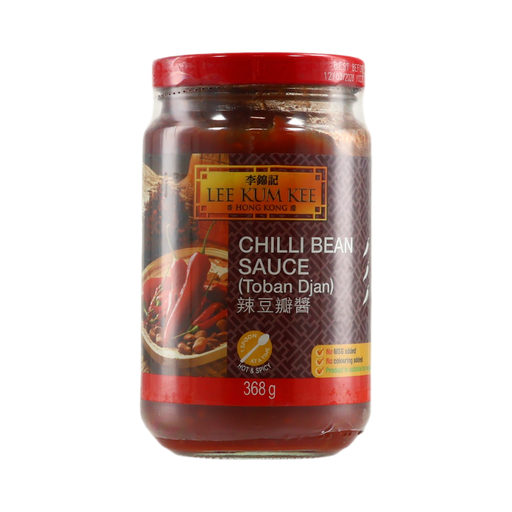
Why It Stands Out: This Chinese bean paste from Lee Kum Kee, also known as doubanjiang, is a key ingredient in Sichuan cuisine. It is made from fermented broad beans, soybeans, and chilis. Its flavor is intensely salty, spicy, and earthy. To release its full aroma, it is typically fried in oil at the beginning of the cooking process.
Advantages:
Who It's For: For ambitious home cooks who want to recreate the distinctive taste of Sichuan cuisine at home and are looking for an authentic mapo tofu sauce base.
This selection represents just a small fraction of the available condiments. Each sauce offers a unique taste experience for different culinary projects.
Are you looking for other seasoning sauces, for example, for vegan dishes? Discover our wider selection in the Vegan Sauce category.
Although both are fermented pastes, they are fundamentally different. Gochujang is from Korea, has a base of glutinous rice, soybeans, and chili powder, and tastes sweet, spicy, and salty. Toban Djan (doubanjiang) is a Chinese paste made from fermented broad beans and chilis, which is primarily salty and spicy with an earthy aroma.
After opening, most chili sauces and pastes should be stored in the refrigerator to maintain their freshness and flavor. Always follow the storage instructions on the product packaging for specific recommendations.
That depends on the sauce. A chili garlic sauce is generally ready to use and works well as a dip. Gochujang can also be used as a dip, but it is often mixed with other ingredients like sesame oil or vinegar. Toban Djan is not typically consumed raw; instead, it is fried in oil to release its aroma and serves as a cooking base.