
Lieferung heute & morgen

Qualitätsgarantie

Willkommens-Angebote freischalten: KOSTENLOSE Lieferung | Bis zu 80 % RABATT | Kostenlose 30-Tage-JoyPlus-Testphase
App herunterladen
With such a wide variety of products on the market, finding the right Asian chili sauce can be a challenge. Whether for an authentic curry, a fiery dip for spring rolls, or a table condiment for noodle soups, the right sauce is crucial to the success of your dish. This buying guide is designed to help you make an informed decision by introducing different types of chili sauces and highlighting their respective uses. Our goal is to provide clear guidance so you can find the ideal sauce for your kitchen.
To make the right choice, it helps to understand a few basic characteristics that distinguish Asian chili sauces from one another.
The texture of a chili sauce often gives a clue as to its primary use.
Not every chili sauce tastes the same. The ingredients besides the chilies significantly shape the aroma. A Vietnamese hot sauce like CHIN-SU's is often characterized by a balanced sweetness and acidity, while a classic Chinese chili sauce like Chuan Wa Zi's can have a deeper, smokier note from roasted aromas and oils. Sauces like Sriracha are known for their garlic-forward and slightly sweet heat, while Sambal Oelek offers a very direct, salty, and pure chili flavour.
A look at the ingredients list provides valuable information. The chili percentage is a good indicator of the heat intensity. Products with a chili content of over 50% are generally much hotter. Also, pay attention to other ingredients like garlic, sugar, vinegar, or special spices to better assess the flavour profile. Anyone looking to buy a hot sauce should consider these details to achieve the desired taste experience.
Here is a selection of different Asian chili sauces, each distinguished by its specific properties and applications.
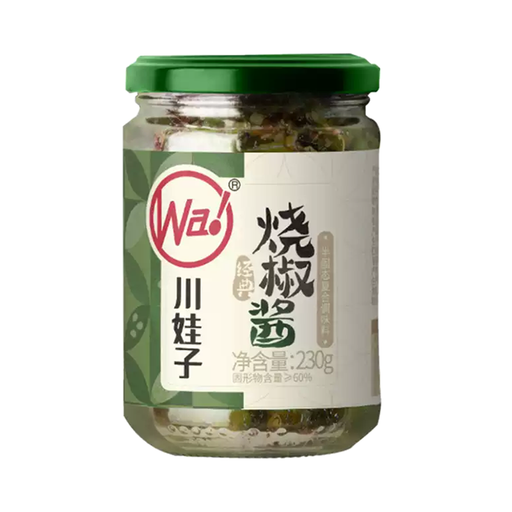
Why It Stands Out: This sauce is notable for its high chili content and distinct smoky aroma, which comes from roasted peppers. The rapeseed oil base and the addition of garlic and Tsaoko cardamom oil create a complex flavour profile.
Pros:
Best For: Home cooks looking for an authentic Chinese chili sauce with a deep, smoky flavour for stir-fries and noodle dishes.
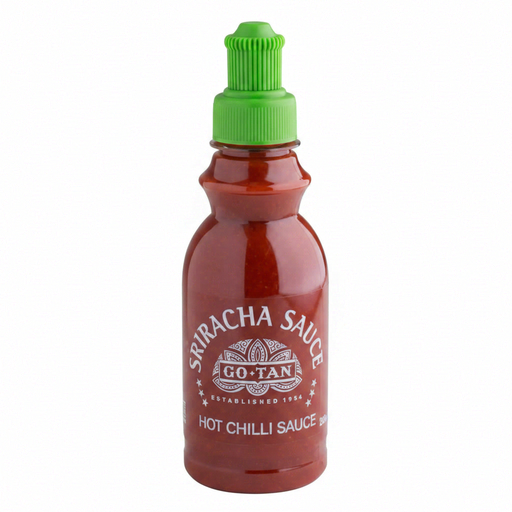
Why It Stands Out: This Sriracha sauce offers the classic, widely-loved flavour profile: a combination of fiery heat, slight sweetness, and a tangy note. With a chili content of around 54%, it delivers a powerful kick.
Pros:
Best For: An all-rounder for anyone who loves the typical Sriracha taste and wants a versatile sauce for meat, seafood, soups, or as a dip.
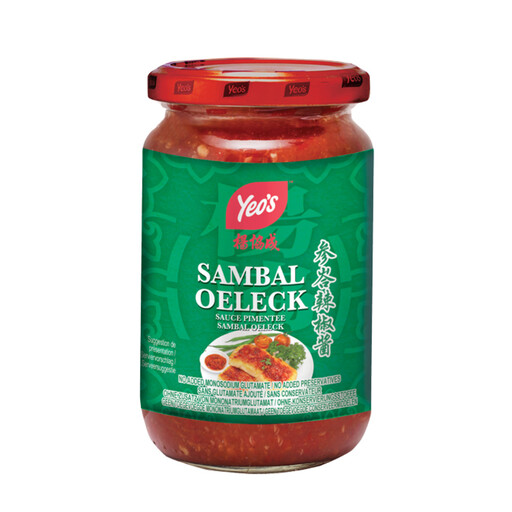
Why It Stands Out: Yeo's Sambal Oelek is a traditional Indonesian chili paste that focuses on the essentials: ground red chilies. Its flavour is direct, intense, and salty, without the sweetness or acidity of other sauces.
Pros:
Best For: Cooks who need a pure and potent heat as a base for their dishes and want to maintain control over the final flavour profile.
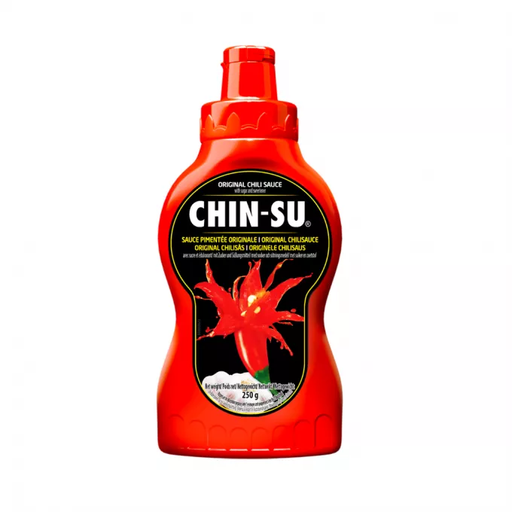
Why It Stands Out: This Vietnamese hot sauce is known for its uniquely velvety and thick texture, achieved through the use of sweet potatoes. Its taste is a harmonious balance of medium heat, sweetness, and fresh garlic.
Pros:
Best For: Lovers of Vietnamese cuisine and anyone who prefers a chili sauce with medium heat and a soft, rich texture that isn't overpowering.
The world of chili sauces is vast and diverse. If these recommendations haven't quite hit the mark for your taste, there are many more varieties to explore.
Discover our entire range of hot and spicy sauce and find the perfect addition to your kitchen.
The main difference lies in the ingredients and consistency. Sriracha is a smoother, more liquid sauce that contains vinegar, sugar, and garlic in addition to chilies, giving it a sweet, tangy, and savoury profile. Sambal Oelek is a thicker, purer chili paste made primarily from ground chilies and salt, resulting in a more direct, saltier level of heat.
A spicy cooking paste is ideal as a flavour base. You can sauté a spoonful in hot oil before adding vegetables or meat to release its aroma. It can also be stirred directly into soups, stews, or marinades to add deep and lasting heat.
Most chili sauces should be stored in the refrigerator after opening to preserve their freshness, colour, and aroma. The high vinegar and salt content acts as a preservative, but cool storage prevents a decline in quality. Always follow the storage instructions on the product packaging.