
Lieferung heute & morgen

Qualitätsgarantie

Willkommens-Angebote freischalten: KOSTENLOSE Lieferung | Bis zu 80 % RABATT | Kostenlose 30-Tage-JoyPlus-Testphase
App herunterladen
Preparing authentic Asian dishes in your own kitchen is a rewarding experience. But the journey begins with selecting the right ingredients. Anyone who has stood before a shelf of colourful packaging knows how challenging it can be to find the right products. Many home cooks invest in supposedly authentic ingredients, only to be disappointed by a flat or mismatched flavour profile.
This guide is designed to help you avoid common pitfalls and specifically select the products that are right for your culinary goals. We focus on objective criteria that offer you reliable guidance.
Common Pitfalls When Buying Asian Groceries:
To avoid these mistakes, it's helpful to focus on a few fundamental parameters. These provide insight into the actual quality and suitability of an ingredient.
The order of the ingredients indicates which components make up the largest share of the product. For an authentic taste experience, the characteristic Sichuan spices like chilli, Sichuan pepper, or fermented bean paste (doubanjiang) should appear high on the list for a spicy hot pot base. For Filipino dishes like Sinigang, tamarind is the crucial ingredient. Make sure these key components are not at the end of a long list of fillers and artificial flavours.
It is important to understand the difference between a ready-to-use base and a pure spice mix:
Certain brands are known for specific regional flavour profiles. For example, Haidilao products are closely associated with the restaurant chain of the same name and aim to replicate that experience at home. Brands like Hao Ren Jia focus heavily on traditional Sichuan cuisine. Choosing a brand that specialises in your desired regional cuisine can increase the likelihood of an authentic result.
Instead of making a blanket recommendation, we have selected products for different user profiles and their specific needs.
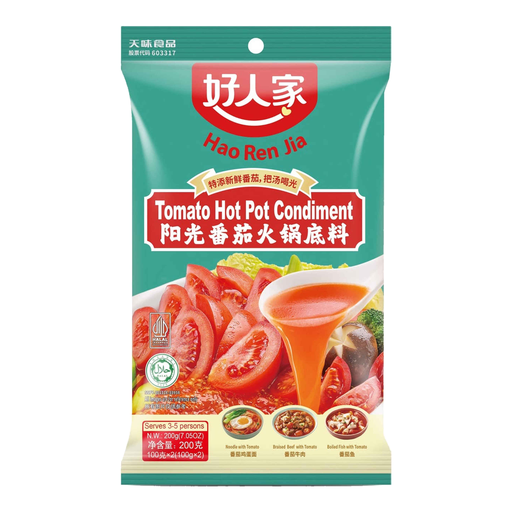
Why This Fits Their Persona: Ideal for anyone trying hot pot for the first time or who prefers a mild, family-friendly option. The fruity and tangy tomato flavour is approachable and less intimidating than spicy Sichuan bases.
This product is clearly labelled as a mild tomato base, avoiding the pitfall of choosing an unsuitable, overly spicy option for a first hot pot experience.
Simple preparation (just add water), versatile as a soup or dish base, and offers a refreshing flavour.

Why This Fits Their Persona: For lovers of bold Sichuan cuisine seeking the characteristic 'málà' (numbing and spicy) flavour. This base delivers an intense and complex taste experience reminiscent of traditional hot pots.
Instead of a vague promise of 'spiciness', this product delivers a specific Sichuan profile. The ingredient list, featuring Sichuan pepper and Pixian bean paste, confirms its claim to authenticity.
Intense, numbing-spicy flavour profile; convenient 150g pack for smaller gatherings; also suitable for braising or noodle dishes.
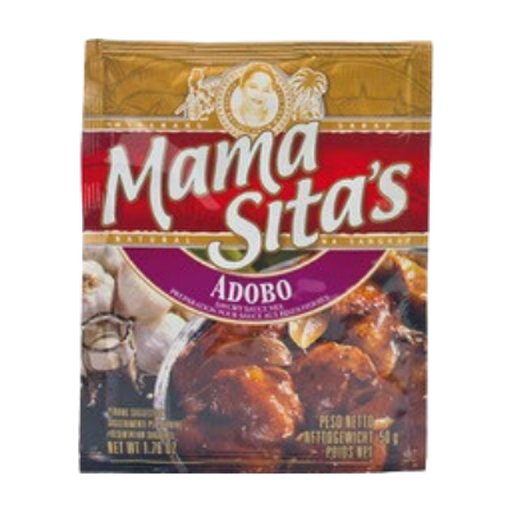
Why This Fits Their Persona: Perfect for anyone who wants to recreate the Filipino national dish, Adobo, at home without having to buy all the individual spices separately. This mix provides a reliable foundation for the classic savoury and tangy flavour.
Instead of using a generic 'Asian sauce', this is a specific mix for Adobo. This prevents failure due to the wrong flavour profile and ensures a recognisable result.
Simplifies the preparation of a traditional dish; a balanced blend of garlic, sugar, and spices; ideal for marinating meat or poultry.
For cooks who want to create their own spice blends for stews or broths, we offer a selection of useful tools.
What is the difference between a hot pot base and a dipping sauce? A hot pot base is the foundation for the broth in which the ingredients are cooked. It is highly concentrated and must be brought to a boil with water or broth. A dipping sauce, like those from Haidilao, is a ready-to-eat seasoning sauce into which the cooked ingredients are dipped before eating. It is not cooked with the meal.
How should I properly store opened Asian sauces and pastes? Most fermented pastes (e.g., bean paste) and oil-based sauces should be stored tightly sealed in the refrigerator after opening. This slows the oxidation process and preserves the flavour. Always pay attention to the storage instructions on the packaging and use the product within the recommended time.
Can I use Sichuan spices for dishes other than hot pot? Yes, absolutely. The bases and spices of Sichuan cuisine are very versatile. A spicy hot pot base can be used in smaller quantities as a seasoning paste for stir-fries, braised dishes (e.g., Mapo Tofu), or as an intense flavouring for noodle soups. Start with a small amount, as the flavour is highly concentrated.