
Lieferung heute & morgen

Qualitätsgarantie

Willkommens-Angebote freischalten: KOSTENLOSE Lieferung | Bis zu 80 % RABATT | Kostenlose 30-Tage-JoyPlus-Testphase
App herunterladen
Asian cooking oils vary considerably in flavour, processing and intended use. Toasted sesame oil for ramen serves a different purpose from a neutral oil for wok dishes. An aromatic Sichuan pepper seasoning oil should also be used differently from flaxseed oil for salads and dressings.
However, simply looking for terms such as “premium”, “traditional” or “natural” does not automatically mean you will choose the right product. The key factors are the ingredients list, heat suitability, bottle size and storage instructions.
Many Asian oils are primarily intended to enhance flavour. Toasted sesame oil, chilli oil and Sichuan pepper oil add an intense flavour even in small quantities. Depending on the product, they are not intended for high-heat cooking or deep-frying.
An indication such as “Finishing Oil” or “add at the end of cooking” means that the oil should be drizzled over finished dishes, stirred into noodles or used for dips, marinades and dressings. If you use it continuously in a wok, you will quickly get through a small bottle and may alter the flavour you were aiming for.
A virgin cold-pressed oil is extracted gently and often has a distinctive flavour of its own. Flaxseed oil and some sesame oils are intended for use in cold dishes or immediately before serving. However, the term does not automatically mean that the oil is suitable for every temperature.
For hot cooking, buyers should check the specific usage instructions on the label. Several product descriptions for flaxseed oil explicitly state that it should not be heated. Depending on how it is processed, a neutral rapeseed oil, rice bran oil or corn oil may be more versatile.
With pure oils, the ingredients list is particularly important. Sesame, peanuts, soya and nuts must be taken into account as allergens where applicable. Sesame oil made from 100 per cent sesame is not the same as a blend of sesame oil and soya oil.
It is also worth checking the percentages in seasoning oils: according to the product information, Yaomazi Sichuan pepper oil contains rapeseed oil and Sichuan pepper, while other varieties contain soya oil and green Sichuan pepper. These differences may be relevant to allergy sufferers, vegans and consumers with particular taste preferences.
The following categories are practical for everyday cooking:
Check whether you are buying a pure oil or a blend. With a blended product, the individual ingredients and their quantities should be clearly stated.
The product description should make it clear whether the oil is suitable for frying, medium heat or exclusively for adding flavour. An oil for wok dishes is not automatically a seasoning oil. For frying, choose products with a corresponding usage instruction; intensely flavoured oils are often added only at the end.
A useful kitchen principle is to combine the two: use a neutral oil for cooking and an aromatic seasoning oil to finish. This makes it easier to control the amount and keeps the flavours well balanced.
Small bottles of 150 to 250 ml are sensible if an oil is only used occasionally. For everyday cooking, 500 to 750 ml may be more economical. What matters is whether the contents can be used within the recommended period after opening.
Light, heat and air affect the quality of cooking oils. Look out for instructions such as store in a cool, dry and dark place, keep tightly sealed and refrigerate after opening if necessary. Flaxseed oil often comes with a short recommended consumption period after opening. This is more important when planning household supplies than choosing an especially large bottle.
The following selection categorises specific Asian cooking oils according to typical usage situations. Information on ingredients, quantity and use is based on the respective product details.
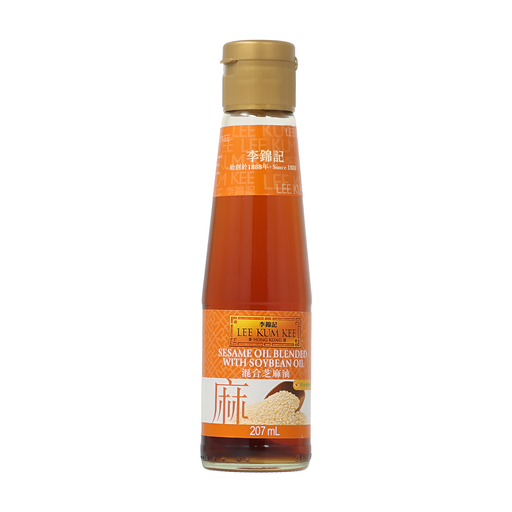
Why this product suits this profile: The 207 ml bottle combines sesame flavour with a blend of 50 per cent sesame oil and soya oil. According to the product information, it is intended for medium heat and adding flavour.
The ingredients list clearly shows that this is not pure sesame oil. This makes it easier to choose the right oil for frying or finishing.
Blend of sesame and soya oil; indicated for medium heat and adding aroma at the end.
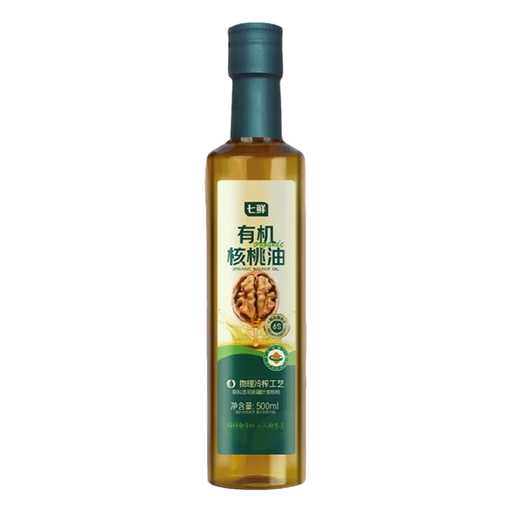
Why this product suits this profile: The cold-pressed walnut oil is recommended for Chinese dishes, salads and dressings. The 500 ml quantity suits households that regularly use aromatic oils.
The product information explicitly mentions cold pressing and storage in a cool, dry place. This distinguishes it from an all-purpose frying oil.
Cold-pressed walnut oil; 500 ml contents; walnut clearly identified as an allergen.
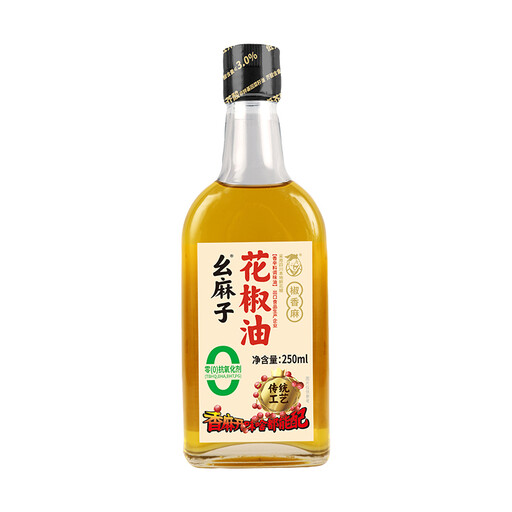
Why this product suits this profile: According to the ingredients information, this seasoning oil contains 60 per cent rapeseed oil and 40 per cent Sichuan pepper. It is intended for cold dishes, noodles and dips, as well as for adding to hot dishes at the end.
The usage instructions recommend adding it at the end of cooking. This prevents it from being mistakenly used as a pure high-heat oil.
Clear ingredients information; 250 ml contents; suitable for noodles, salads, hot pot and finished wok dishes.
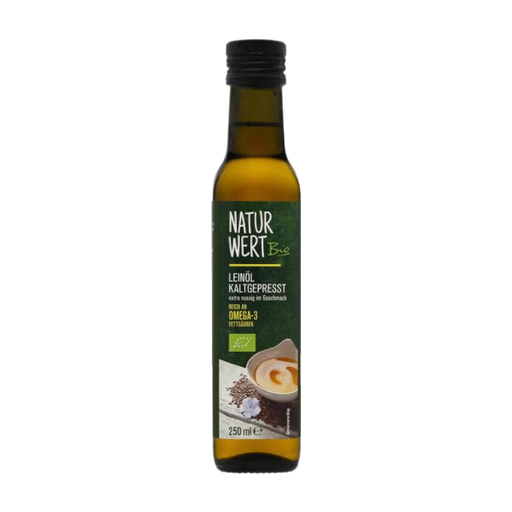
Why this product suits this profile: The virgin cold-pressed flaxseed oil is intended for salads, smoothies, quark, dips and cold dishes. The 250 ml bottle supports using it within a manageable period.
The product description explicitly states that it is not suitable for frying or heating. Refrigerated storage is recommended after opening.
Organic certified; 100 per cent flaxseed oil; suitable for vegan and vegetarian cold dishes.
That depends on the specific product. For frying, oils with a neutral flavour and suitable usage instructions are practical, such as rapeseed oil or rice bran oil. Sesame oil, Sichuan pepper oil and other aromatic seasoning oils are often added only at the end. The manufacturer’s instructions on the bottle are authoritative.
There is no single recommended period. It depends on the type of oil, packaging, temperature and exposure to light. Store the bottle tightly sealed and according to the labelling. Delicate oils such as flaxseed oil should be refrigerated after opening and used within the stated period.
For oil for salads and dressings, walnut oil, flaxseed oil, sesame oil and mild rapeseed oils are all suitable options. Walnut and flaxseed oil have a pronounced flavour of their own, while sesame oil defines the character of Asian dressings, noodles and dips. With cold-pressed oils, check whether they are intended exclusively for cold use or also for warm dishes.