
Lieferung heute & morgen

Qualitätsgarantie

Willkommens-Angebote freischalten: KOSTENLOSE Lieferung | Bis zu 80 % RABATT | Kostenlose 30-Tage-JoyPlus-Testphase
App herunterladen
Anyone looking to buy Asian crackers will find a wide range of rice crackers, krupuk, prawn crackers, as well as sweet and savoury varieties online. However, Chinese snacks, Korean snacks and Vietnamese specialities differ in more than just seasoning and shape. Ingredients, allergens, preparation and packaging can all affect whether a product suits your needs.
An Asian recipe does not automatically mean that a snack comes from the country mentioned. For example, products inspired by Chinese cuisine, Korean seasoning or Vietnamese ingredients may be available, while the country of manufacture or import may differ. You should therefore check the country of origin, manufacturer and responsible food business operator in the product information.
Depending on the recipe, crispy snacks can contain significant amounts of oil, sugar or salt. Comparing products per 100 g is more informative than looking at the pack size. In the product data provided, some seasoned crackers contain around 500 kcal per 100 g, while the nutritional values of rice crackers and sweet crackers can vary considerably.
Many prawn crackers are sold as dried pieces and must first be puffed in hot oil. If you are looking for a ready-to-eat snack for the office, school or when you are out and about, look for indications such as “ready to eat”. For products containing Krupuk Udang, the allergen crustaceans, namely prawns, is also particularly relevant.
As well as rice, rice crackers may contain soya, wheat, gluten, egg or milk. For example, Royal Orient Hot Rice Crackers contain soya sauce made with soya beans and wheat. According to the product information, Richy Jin Ju Rice Cracker Honey Flavour also contains soya and wheat.
For households with allergies or intolerances, the following checks are recommended:
The labelling currently shown on the packaging is authoritative, as recipes and packaging may change.
Individually wrapped rice crackers are ideal for a film night or snack box, as the portions are easier to divide up. Savoury crackers seasoned with cheese, garlic or pickled cabbage are better suited to savoury snack platters. Sweet crackers with coconut, honey or sugar make a great accompaniment to tea or coffee.
If you are looking for spicy Korean snacks, check the specific seasoning carefully. A “Hot” product may contain chilli, while Mala snacks can also create a tingling or numbing sensation in the mouth. Spice tolerance varies from person to person, and this should be taken particularly into account when serving children.
Moisture can quickly affect the texture of crackers. Practical options include:
Products with a short remaining shelf life or packaging that has already been opened may lose some of their crispness. Before placing a larger order, it is therefore worth checking the pack size, best-before date and storage instructions.
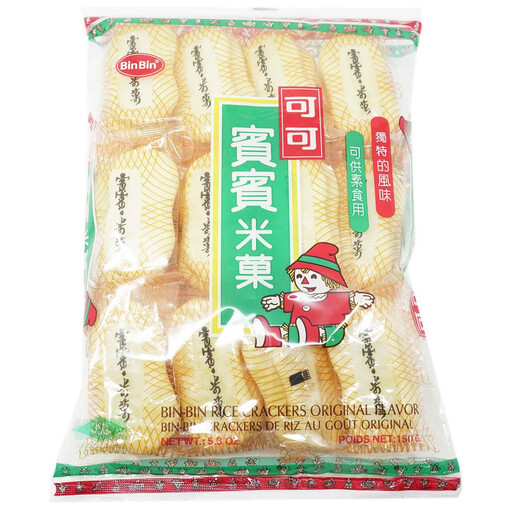
Why this product suits this profile: According to the product information, the 150 g pack offers a mild introduction to Asian rice crackers, is ready to eat and contains individually wrapped portions.
The ingredients and nutritional information explicitly list rice, soya sauce and wheat. This makes it easier to assess the flavour than by relying on the product name alone.
Mild flavour, 150 g pack size and individual portions according to the product description.
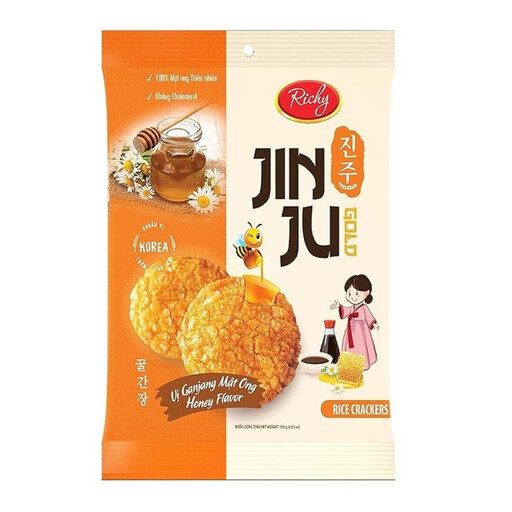
Why this product suits this profile: According to the product data, this snack combines 51% rice with honey and soya sauce notes, with individually portioned crackers inside the pack.
The sweet and savoury flavour combination and the allergens soya and wheat are clearly listed. This makes it easier to choose based on the recipe rather than the marketing claim.
Honey flavour with a soya sauce note, individually wrapped portions and 100 g contents.
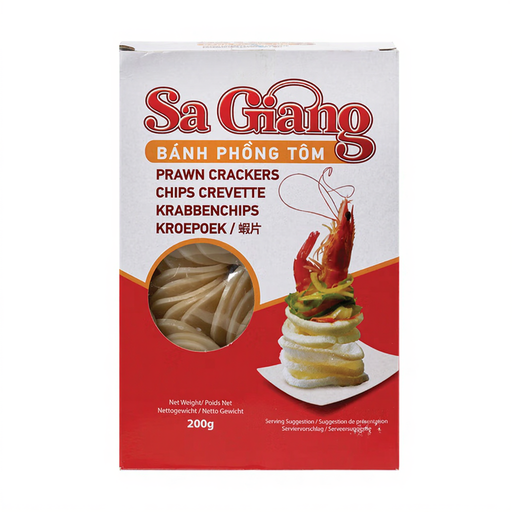
Why this product suits this profile: According to the product description, the dried prawn crackers are suitable for parties and larger groups, but must first be puffed in hot oil.
The preparation instructions make it clear that this is not a ready-to-eat snack. Prawns account for 10% and are listed as an allergen.
200 g contents, light and airy krupuk texture after preparation, and clear storage and preparation instructions.
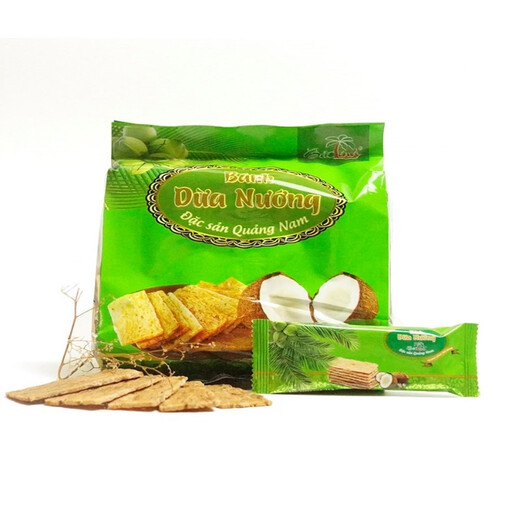
Why this product suits this profile: According to the product information, these Vietnamese coconut crackers combine coconut, sugar, rice and glutinous rice flour with vanilla flavouring, making them ideal with tea or coffee.
The ingredients and Vietnamese origin are stated. Despite the rice-based recipe, check the packaging for possible traces of wheat or sesame.
150 g contents, coconut as the key ingredient and individually wrapped portions according to the product description.
We have put together a complete, regularly updated list of products that fully meet these strict selection criteria and the safety regulations applicable in the EU.
For a straightforward shopping experience, a short checklist can help:
This makes it easier to choose Chinese snacks, Korean snacks and Vietnamese snacks for specific occasions, without relying solely on packaging images or general flavour claims.
Individually wrapped rice crackers are practical because the portions stay protected and are easy to take with you. For a varied snack box, mild Bin-Bin rice crackers can be combined with sweet coconut crackers or seasoned varieties. Check allergens and possible traces before packing them.
The opened pack should be sealed as airtight as possible and stored in a dry place. For some products, the instructions specifically recommend transferring them to an airtight container after opening. High humidity, direct sunlight and heat can alter the texture.
First, check whether the krupuk is ready to eat or still needs to be fried. You must also check the ingredients list for prawns and other crustaceans. If you are serving guests with allergies, the labelling should remain visible and not be inferred from the product title alone.