
Lieferung heute & morgen

Qualitätsgarantie

Willkommens-Angebote freischalten: KOSTENLOSE Lieferung | Bis zu 80 % RABATT | Kostenlose 30-Tage-JoyPlus-Testphase
App herunterladen
Asian dried fruit offers a wide range of flavours, from sweet mangoes and soft dates and longan to crisp dried coconut. It makes a convenient snack on the go and is also ideal for tea, desserts, muesli and Asian dishes. When shopping online, however, the product image is only part of the story. The ingredients list, sugar and salt content, pack size and allergen information all help you decide whether a product is right for your needs.
Many dried fruits contain concentrated carbohydrates because the water has been removed. They may also contain sugar, glucose syrup or maltose syrup. Recipes vary considerably between dried mango products: one product may contain, for example, 83 per cent mango, while another contains 95 per cent. Checking the ingredients list is therefore more informative than relying on the description ‘naturally sweet’.
Even dried fruit with no added sugar is not calorie-free. Nutritional values are generally given per 100 grams, while a pack may be considerably smaller. For a realistic assessment, you should take the serving size into account.
Sulphur dioxide and sulphites are used as preservatives in various dried fruits. They must be listed in the ingredients and allergen information. This applies, among others, to several products containing dried mangoes, strawberries, guavas or pineapple.
Dried coconut is listed in product information as a nut allergen. If you have an existing intolerance, you should therefore check the full labelling on the packaging. Products may also contain colourings. Some items include a warning that certain colourings may affect activity and attention in children.
A 50-gram pack is practical for a single snack portion or for trying a product. For tea, soups, desserts or regular cooking, a larger pack may be more suitable. Large 250-gram or 1-kilogram bags often reduce the need to reorder frequently, but once opened they need to be stored somewhere dry and airtight.
Pay attention to the percentage of fruit and the order in which the ingredients are listed. If mango appears first, it is the main ingredient by weight. Additions such as sugar, glucose, maltose, syrup, oil or acidity regulators affect the flavour and consistency.
If you prefer a particularly simple recipe, products with a single ingredient may be appealing, such as dried red dates made from 100 per cent dried red dates, or longan fruit with no other listed ingredients. For fruit snacks with added sugar, the sugar content per 100 grams should also be considered when making your choice.
‘Fat-free’ describes just one nutritional value. Dried fruit can still be high in carbohydrates and sugar. According to the product information, dried jackfruit contains 79 grams of carbohydrates and 57 grams of sugar per 100 grams; vegetable oil is also used.
With coconut products, on the other hand, the naturally high fat content is more significant. According to the product information, Three Squirrels freeze-dried coconut flakes contain 53 grams of fat per 100 grams and 20.7 grams of carbohydrates. The added sugar content is 3 per cent. Your assessment should therefore reflect your own dietary plan and the intended serving size. The phrase healthy snacks is no substitute for checking the nutritional information table.
Soft, chewy products such as dried mangoes, peaches and jackfruit can be eaten straight from the pack. Crisp coconut flakes are ideal with yoghurt, muesli and desserts, but lose their texture more quickly when exposed to moisture. Dates, longan and red jujubes can also be used in tea, congee, soups and sweet dishes.
Most products should be stored in a cool, dry place away from direct sunlight. Once opened, a tightly sealed bag or airtight container can help keep them fresh. For some products, refrigerated storage after opening and prompt consumption are recommended. The instructions on the individual packaging should always be followed.
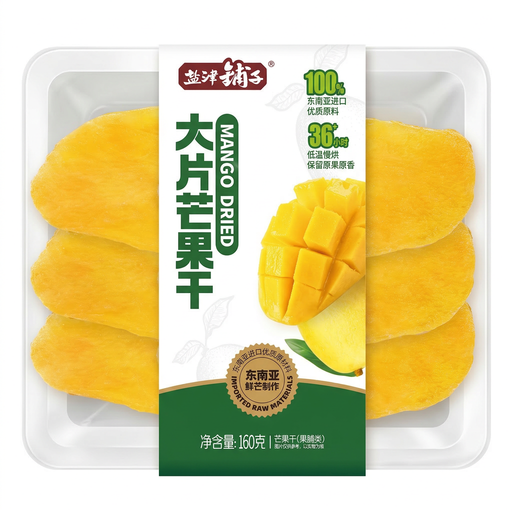
Why this product suits the profile: The 160-gram pack offers a manageable quantity for trying dried mango for the first time. The slices are ready to eat and ideal for the office, travelling or a quick snack between meals.
The mango content is listed as 83 per cent. This makes it easier to compare the recipe with products in which sugar or syrup makes up a larger proportion.
Ready-to-eat mango slices, a 160 g pack size and a soft, chewy texture.
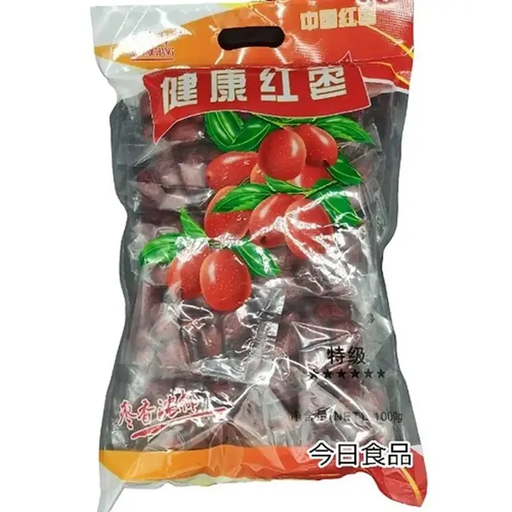
Why this product suits the profile: According to the product information, the recipe consists of 100 per cent dried red dates. The large pack is aimed at shoppers who regularly use dried fruit in cooking and keep it in stock for tea.
No additional sweeteners or preservatives are listed in the stated ingredients. The nutritional values still matter, however: the product contains 55 g of sugar per 100 g.
1 kg pack, versatile for tea, soups, porridge, desserts and eating straight from the pack.
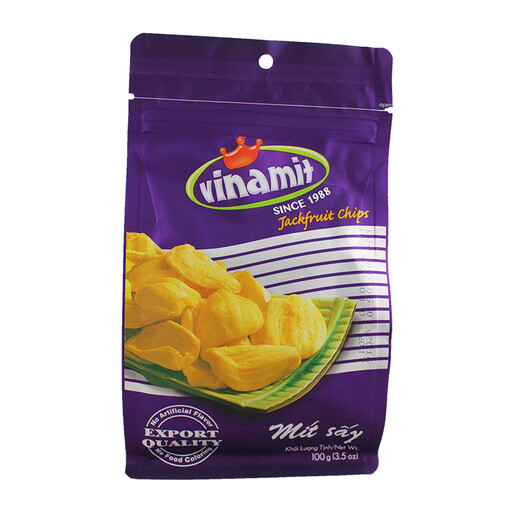
Why this product suits the profile: Dried jackfruit broadens the choice beyond classic mangoes and can be enjoyed on its own or added to yoghurt, muesli or desserts.
The ingredients list states 98 per cent jackfruit and vegetable oil. This makes it clear that it is not a sugar-free product made solely from fruit.
100 g pack, no listed allergens and suitable as a snack or dessert topping.
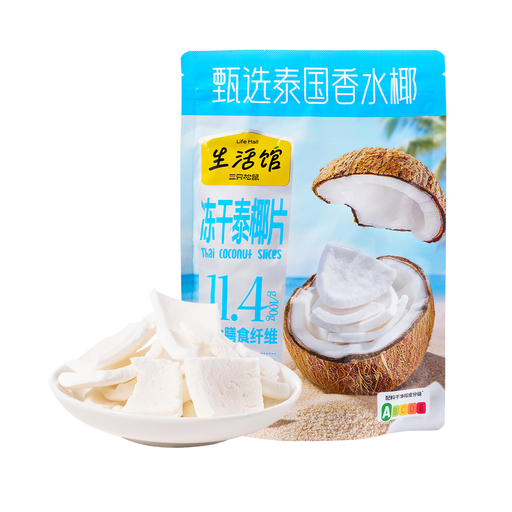
Why this product suits the profile: Freeze-dried coconut is an option for shoppers who prefer a crisp texture rather than soft fruit slices.
The recipe contains 97 per cent coconut and 3 per cent sugar. The stated fat content of 53 g per 100 g makes the product’s characteristics clear.
97 per cent coconut, 100 g pack, stated to be non-fried and ready to eat.
We have put together a complete, regularly updated list of products that fully meet these strict selection criteria and the safety regulations applicable in the EU.
Red dates, longan and red jujubes are listed for use in tea in the product information. They can be added directly to hot water or briefly rinsed before use. Sweetened or salted products will noticeably change the flavour of the drink. You should therefore check the ingredients list and salt content.
The best-before date is shown on the individual packaging. Unopened products are generally stored in a dry, cool and dark place. Once opened, bags should be sealed tightly. Products with specific manufacturer instructions may need to be refrigerated and consumed within a certain period.
This depends on the ingredients, consistency, sugar and salt content, and any potential allergens. Sulphites must be taken into account. Some products also include information about colourings. Parents should read the labelling, choose small portions and, where necessary, follow the age recommendations and instructions on the packaging.