
Lieferung heute & morgen

Qualitätsgarantie

Willkommens-Angebote freischalten: KOSTENLOSE Lieferung | Bis zu 80 % RABATT | Kostenlose 30-Tage-JoyPlus-Testphase
App herunterladen
Asian dried fruit offers a wide variety of flavours, textures and pack sizes. Dried mango is often soft with a sweet-sour taste, while dried sweet potato provides a firmer, starchier alternative. Dried coconut and dried guava are also among the exotic snacks that are ideal for lunchboxes, the office, travel or stocking up your pantry.
However, your choice shouldn't be based solely on the product image or country of origin. What really matters are the ingredients, sugar and salt content, allergen information and the pack size.
The front of the pack often highlights the fruit name and origin. But the ingredients list may also include added sugar, acidity regulators, flavourings or preservatives. For the Philippine-style dried mangoes from Jia Jian Cheng Chu, the product is stated to contain 90% mango, sugar, citric acid and sodium metabisulphite.
If you prefer products with as few ingredients as possible, always check the full ingredients list. The Red Farmer Union Sweet Potato Dry product is stated to be made from 100% sweet potato and contains no added sugar, no preservatives and no artificial colours.
Dried fruit is relatively concentrated because the water has been removed. A 70g or 80g pack is fine for individual snack portions, but it won't go far for a regular family supply. For several people or frequent consumption, larger formats such as 500g can be more practical.
So always compare the unit price per 100g rather than just the total price of the pack.
The term "soft" usually describes a pleasantly chewy or pliable texture. This can change after opening if the pack isn't resealed properly. Moisture, heat and direct sunlight can also affect the texture.
For ready-to-eat dried fruit, it's best to store it in a cool, dry place. After opening, make sure the pack is tightly sealed and consume the contents promptly.
First, check whether the product is made from the fruit you want and what other ingredients are included. With mango, for example, you may find sugar, salt, acidity regulators and preservatives. If sulphites are present, they must be listed as an allergen warning.
For dried guava or dried coconut, it's also worth checking the ingredients list. The OHLA product is stated to contain 95% guava, sugar and a preservative. The Philippine Brand Young Dried Coconut lists coconut, sugar and sodium metabisulphite, with sulphites noted as an allergen.
Comparing per 100g makes it easier to compare different pack sizes. Pay particular attention to:
These values are based on the respective product information and may vary depending on the batch or the labelling on the pack.
For eating straight away, soft dried fruit and individually wrapped portions are ideal. Dried mango, for example, is perfect for slipping into your work bag or lunchbox. Dried sweet potato can serve as a less fruity snack. Larger bags are practical for families, baking recipes, muesli mixes or stocking up.
Also check the best-before date and storage instructions. For imported products, the information on the UK packaging should be your guide.
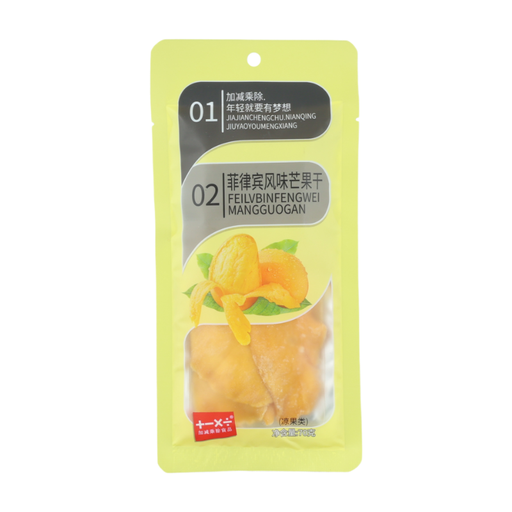
Why this product fits the profile: The 70g pack offers an affordable introduction to Asian dried fruit, with a soft, chewy mango texture and a sweet-sour flavour.
The ingredients list clearly shows 90% mango, plus sugar, citric acid and sulphites. This helps you set realistic expectations for a pure fruit snack.
70g net weight, ready to eat and, according to the product information, free from artificial colours.
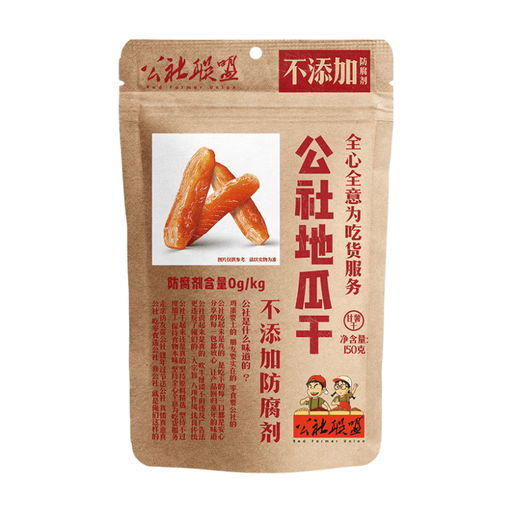
Why this product fits the profile: The ingredients list is limited to sweet potato. This appeals to shoppers who prefer a short ingredients list over flavoured fruit snacks.
The product description states no added sugar, no preservatives and no artificial colours. You should check the nutritional information against the label before buying.
100% sweet potato according to the ingredients list, 150g net weight and ready to eat.
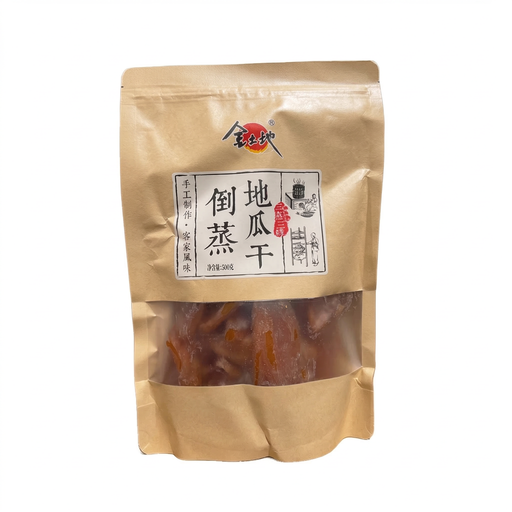
Why this product fits the profile: The 500g pack is designed for families, regular snacking, hiking trips or stocking up your pantry.
The larger quantity reduces the need for frequent reordering. After opening, the bag should be tightly sealed or the contents transferred to an airtight container.
500g net weight, made from sweet potato according to the information, and with no added sugar or artificial colours.
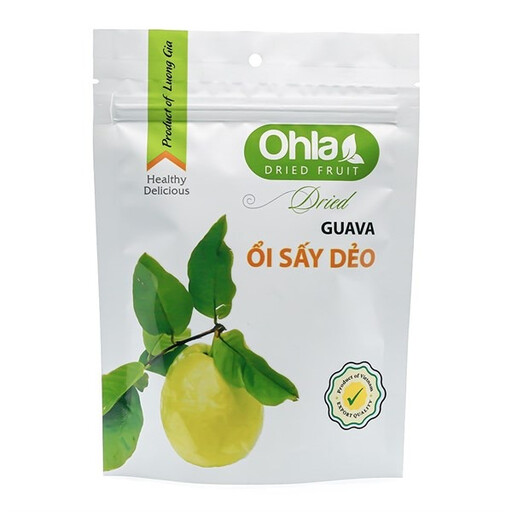
Why this product fits the profile: Dried guava expands your options beyond mango and sweet potato, and is ideal for anyone looking for exotic snacks with a different fruit flavour.
The ingredients list states 95% guava, plus sugar and a preservative. This makes it clear that it is not a pure, untreated fruit product.
180g net weight, ready to eat and, according to the product description, with no declared allergens.
Depending on your taste, dried coconut, Thai mango varieties or mango with plum could also be of interest. With flavoured products, it's worth comparing sugar, salt, acidity regulators and preservatives carefully. For travel and lunchboxes, small individual portions are practical; for the household, larger bags are usually better value.
We've put together a full, regularly updated list of products that meet these strict selection criteria and fully comply with EU safety regulations.
Small, resealable or individually wrapped products are ideal for the office, travel and lunchboxes. Dried mango is soft and ready to eat straight away. Sweet potato varieties are also ready to eat without any preparation and are often available in larger packs.
The best-before date is printed on each pack. After opening, humidity and warmth can affect the texture. Store the products in a dry, cool place away from light, and seal the bag tightly after each use.
No. Some products consist solely of the named fruit, while others contain sugar or additional ingredients. A quick look at the ingredients list and nutritional table per 100g will tell you whether it's an unsweetened or processed fruit snack. If sulphites are present, also check the relevant allergen warning.