
Lieferung heute & morgen

Qualitätsgarantie

Willkommens-Angebote freischalten: KOSTENLOSE Lieferung | Bis zu 80 % RABATT | Kostenlose 30-Tage-JoyPlus-Testphase
App herunterladen
Finding authentic ingredients for Asian cuisine can be a challenge. Anyone looking to prepare traditional dishes like hot pot, flavourful stir-fries, or delicate dessert soups (tong sui) quickly discovers that local supermarkets often offer a limited selection. In particular, specialty Asian dried mushrooms, which are crucial for the texture and aroma of many recipes, are hard to come by.
This article serves as a practical guide. It is designed to help you understand the different varieties of dried Chinese mushrooms and make an informed choice for your culinary adventures. As your Joybuy Product Recommendation Officer, I have gathered information to provide you with clear and objective guidance.
Choosing the right dried mushroom depends heavily on the intended dish. Texture, aroma, and rehydration behaviour are critical criteria. Here are some practical tips to make your decision easier.
Each type of mushroom has a unique mouthfeel that makes it ideal for specific dishes.
The quality of dried mushrooms can often be judged by their appearance. Look for whole, uniformly coloured mushrooms with minimal breakage. Airtight packaging is essential to protect the mushrooms from moisture and preserve their aroma. Information about the origin and a clear best-before date are also indicators of a meticulously processed product.
Before you buy Asian edible mushrooms, consider which dish you need them for. While snow fungus is intended for desserts, wood ear mushrooms are perfect for quick stir-fries. All dried mushrooms must be soaked and thoroughly cooked before consumption. The soaking time varies depending on the variety and size of the mushrooms.
Based on the criteria above, we have curated a selection of dried mushrooms suitable for a variety of authentic Asian dishes.
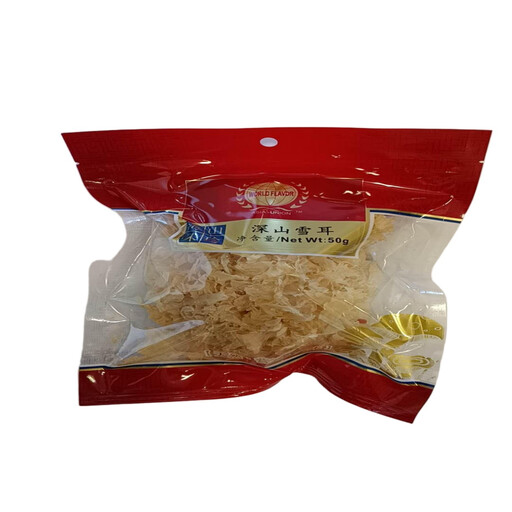
View Product: Shan Yuan Snow Ear (Silver Ear) 50g
Why It Stands Out: This snow fungus, also known as white fungus or silver ear mushroom, is a treasured ingredient in Chinese cuisine. After preparation, it develops a delicate, jelly-like texture that is rich in plant-based colloids. Its neutral taste makes it extremely versatile.
Benefits:
Who It's For: For cooks who want to prepare authentic Chinese dessert soups or are looking for an ingredient with a unique, gelatinous texture for soups and salads.
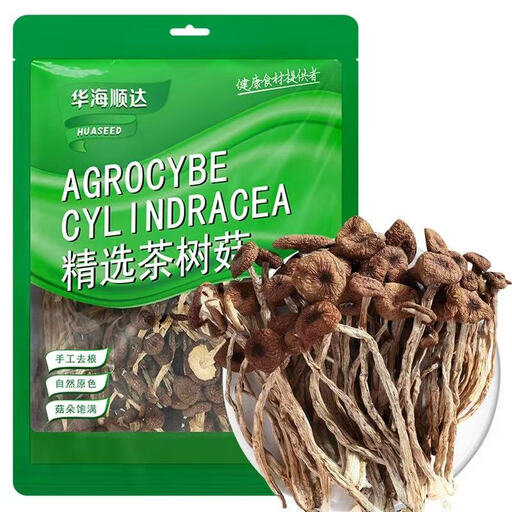
View Product: HUASEED Agrocybe Cylindracea 150g
Why It Stands Out: This tea tree mushroom (Agrocybe cylindracea) is valued for its distinct aroma and firm, chewy texture. It imparts a rich, savoury umami flavour to dishes and does not disintegrate even during long cooking times.
Benefits:
Who It's For: Ideal for home cooks seeking an aromatic mushroom with a robust texture for stews, slow-cooked dishes, or as a flavour-intensive ingredient for a hot pot base.
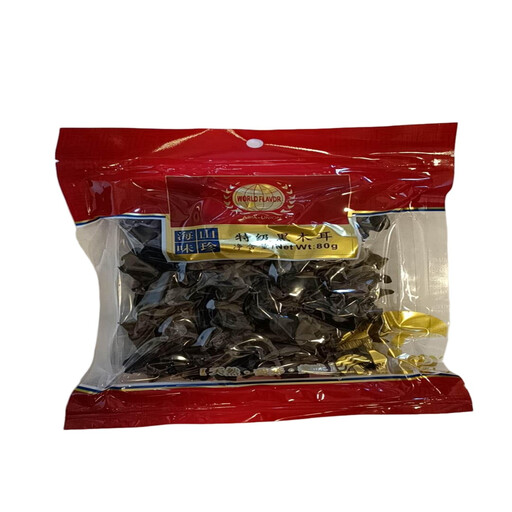
View Product: Shan Yuan Premium Black Fungus 80g
Why It Stands Out: This premium wood ear mushroom is a classic in Chinese cuisine. Those looking to buy black fungus will find a product prized for its crisp texture and ability to absorb flavours. It is an indispensable ingredient for many well-known dishes.
Benefits:
Who It's For: Essential for lovers of Chinese cuisine who need a staple ingredient for classic dishes like "Wood Ear Salad" or "Yu Xiang Rou Si" (Yuxiang-style shredded pork). Also a versatile, texture-rich addition for vegans and vegetarians.
Preparing authentic Asian dishes, especially soups and stews, often requires not only the right ingredients but also the right cookware. For the gentle preparation of traditional broths or dessert soups (tong sui), specialised appliances like herbal pots could be an interesting addition to your kitchen.
Discover Our Selection of Herbal Pots
First, briefly rinse the dried mushrooms under running water to remove any dust. Then, place them in a bowl with plenty of water. The soaking time varies: thin mushrooms like wood ear often need only 20–30 minutes in warm water, while thicker varieties like snow fungus or shiitake may require 30–60 minutes or longer in cold water to fully develop their texture. After soaking, drain the water and process the mushrooms according to the recipe.
Yes, the terms are often used interchangeably. The scientific name of the mushroom is Auricularia auricula-judae. "Wood ear" is a common English name, while "mù'ěr" (木耳, literally "wood ear") is the Chinese term widely used in culinary contexts. Both names refer to the same mushroom, which is also sometimes called black fungus.