
Lieferung heute & morgen

Qualitätsgarantie

Willkommens-Angebote freischalten: KOSTENLOSE Lieferung | Bis zu 80 % RABATT | Kostenlose 30-Tage-JoyPlus-Testphase
App herunterladen
The world of Asian drinks offers a fascinating variety that goes far beyond what's available in your local supermarket. From refreshing exotic juices to specialty sodas, the selection is vast and constantly growing. But as popularity increases, it becomes harder to find products that live up to their promises. Many shoppers feel uncertain due to unclear labels and inflated prices.
This guide will help you avoid the most common pitfalls and make an informed choice. We'll show you which criteria truly matter when searching for authentic, high-quality Asian drinks.
Before you decide on a product, it helps to know the typical marketing strategies that often lead to disappointment.
To avoid falling into these traps, you should focus on a few objective parameters. These will help you evaluate a drink's quality, regardless of its packaging.
A crucial indicator of quality is the ingredients list. The order of the ingredients reveals their proportion by quantity.
For many enthusiasts, authenticity is a key factor. Japanese drinks like Ramune or Korean drinks like the popular "Ade" varieties offer a specific cultural taste experience.
Some Asian drinks are distinguished by their unique texture. Whether it's coconut water with real fruit pieces or a bubble tea drink with popping boba, these additions are part of the experience. Check the product description to ensure the texture meets your expectations. This prevents surprises if you were expecting a clear juice.
Here are some recommendations tailored to different preferences and use cases, all of which meet the criteria mentioned above.
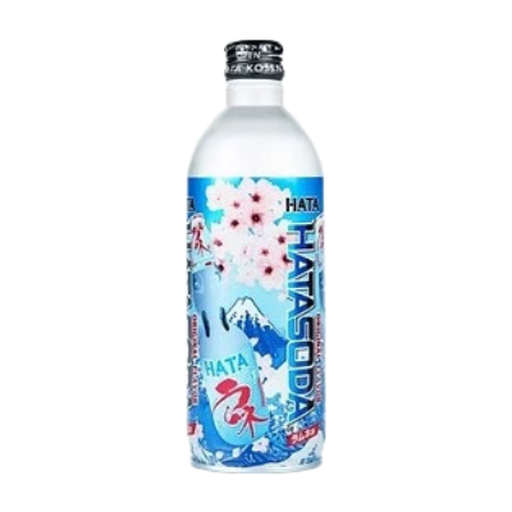
Why This Fits Their Persona: Ideal for anyone seeking an interactive drinking experience. The unique marble stopper turns opening the bottle into a small ritual and is a piece of Japanese pop culture known from anime and social media.
The value here lies not just in the taste, but in the authentic experience. It bypasses the "exotic" surcharge because the price reflects the unique bottle design and cultural significance.
Iconic glass bottle with a marble stopper; classic, sweet soda flavour; an authentic Japanese product.
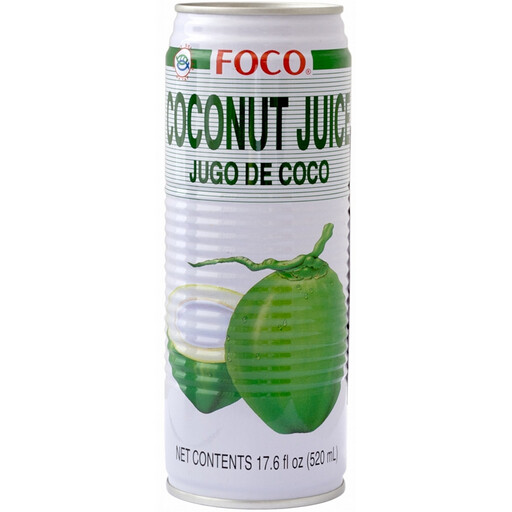
Why This Fits Their Persona: Perfect for health-conscious buyers looking for a natural thirst-quencher. This drink offers the pure taste of coconut with a pleasant texture from real fruit pieces.
This product debunks the fruit content fallacy. The ingredients list confirms it contains 80% fresh coconut juice and real coconut pulp, rather than relying on flavourings.
High, verifiable fruit content; contains real coconut pulp for better texture; free from artificial colourants.
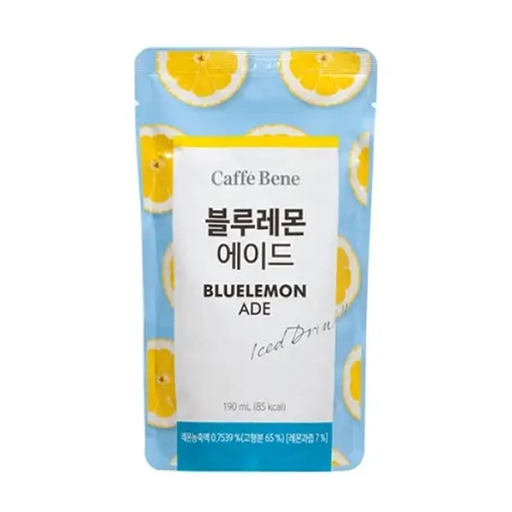
Why This Fits Their Persona: A straightforward and refreshing option for on the go. The convenient pouch packaging is ideal for lunch breaks, picnics, or as a quick refreshment.
This product avoids unclear labelling with a transparent ingredients list. The practical single-serving size makes it a cost-effective choice for trying a new Korean drink trend.
Lightweight and resealable pouch packaging; refreshing lemon flavour; based on real lemon concentrate.
We have compiled a complete, up-to-date list of products that fully meet these strict selection criteria.
1. How do you open a Ramune bottle correctly? Opening a Ramune bottle is part of the experience. Remove the outer wrapper and take the plastic plunger from the cap. Place the plunger on the glass marble in the bottle's neck and press down firmly with the palm of your hand. The marble will drop into the bottle, releasing the opening. Hold the bottle at a slight angle to prevent it from fizzing over.
2. Are Asian drinks always very sweet? Not necessarily. While many Asian soft drinks and specialty sodas have a high sugar content, there are also numerous alternatives. Unsweetened teas, herbal drinks, or juices with high fruit content and no added sugar are also common. A look at the nutrition facts and ingredients list will help you assess the sugar content.
3. What is the difference between coconut water and coconut milk?Coconut water is the clear, slightly sweet liquid from the inside of young, green coconuts. It is naturally low in fat and often prized as an isotonic thirst-quencher. Coconut milk, on the other hand, is made from the pressed pulp of mature, brown coconuts. It is significantly thicker, creamier, and has a much higher fat content.