
Lieferung heute & morgen

Qualitätsgarantie

Willkommens-Angebote freischalten: KOSTENLOSE Lieferung | Bis zu 80 % RABATT | Kostenlose 30-Tage-JoyPlus-Testphase
App herunterladen
The variety of Asian drinks available in online shops is constantly growing. From fruity teas and jelly drinks to traditional juices, the selection can be overwhelming. However, not every product with appealing packaging delivers on its promise. Several common pitfalls can leave you with a less-than-refreshing experience.
This guide will help you identify the key features to look for and make an informed decision. We'll highlight typical marketing traps and show you which objective criteria to consider before you buy.
Common Pitfalls When Buying Asian Drinks:
To avoid disappointment, it's wise to focus on verifiable facts. Three core parameters are crucial.
The most telling piece of information about a fruit drink is the fruit juice content, which is stated as a percentage. A higher value generally indicates a more intense, natural flavour. You should also take a close look at the ingredient list. The order of the ingredients reveals their proportion by quantity. If water and sugar are listed first, the fruit content is likely low. Traditional Chinese drinks like hawthorn juice, for example, may have a declared fruit content that serves as a good indicator of quality.
If you are specifically looking to buy a jelly drink, the texture-giving ingredients are key. You will often find terms like:
The stated percentage of these ingredients (e.g., "Nata de Coco ≥3.5%") gives a clue as to how rich the texture will be.
For an objective comparison between different products, the nutritional information per 100 ml or 100 g is essential. Pay special attention to the sugar and calorie content. This allows you to quickly determine whether a drink is a light thirst-quencher for in-between moments or more of a sweet treat. This is particularly relevant when searching for refreshing summer drinks.
Based on the criteria above, we have curated a selection of products to suit different needs and preferences.
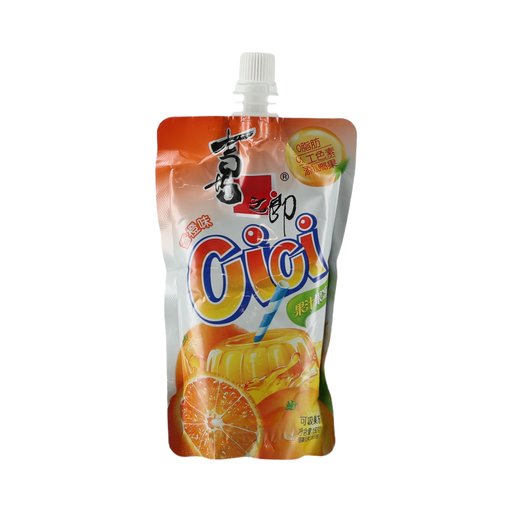
Why it's a great fit: Ideal for on-the-go or as a light snack between meals. The squeeze pouch is convenient and mess-free, while the combination of drink and jelly is more satisfying than a simple juice.
The product description clearly declares the fruit juice content (≥15%) and nutritional values (59 kcal per 100 ml). This avoids the trap of hidden sugar and an unclear composition.
Contains Nata de Coco (≥3.5%) and konjac powder for a complex, chewable texture. Low in calories and comes in a hygienic single-serving pouch.
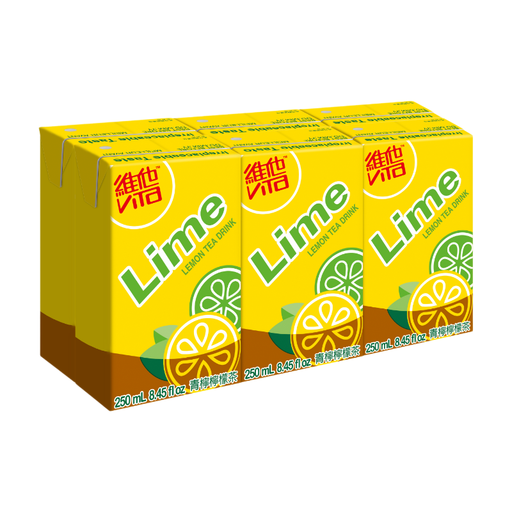
Why it's a great fit: For anyone seeking an invigorating iced tea with an Asian twist. The **Vitasoy** brand is well-known among connoisseurs in Europe and stands for consistent flavour.
This product is clearly marketed as a tea drink, not a fruit juice. The description "a blend of robust black tea with lemon and lime" is precise and avoids false expectations.
A well-balanced profile of sweet and sour notes. The convenient 6-pack is great for stocking up or taking on the go.
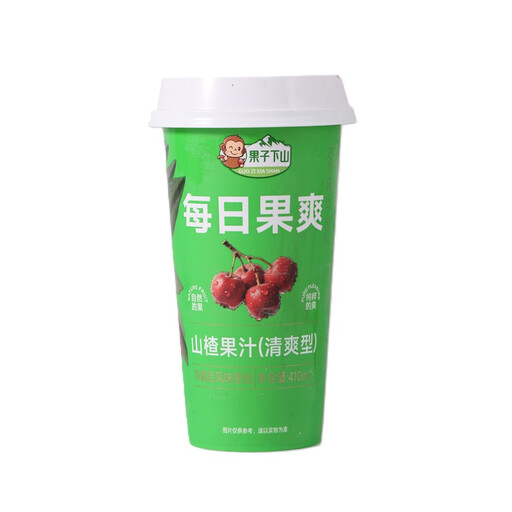
Why it's a great fit: Perfect for anyone wanting to try authentic **Chinese drinks**. Hawthorn juice is known for its unique sweet-and-sour taste, which is considered very appetising.
The ingredient list is very short and transparent, containing only water, hawthorn (15%), and sugar. No artificial flavourings are used to simulate a fruit taste.
Offers an authentic taste experience with a clearly declared fruit content. The refreshing, not-too-sweet flavour makes it a great accompaniment to meals.
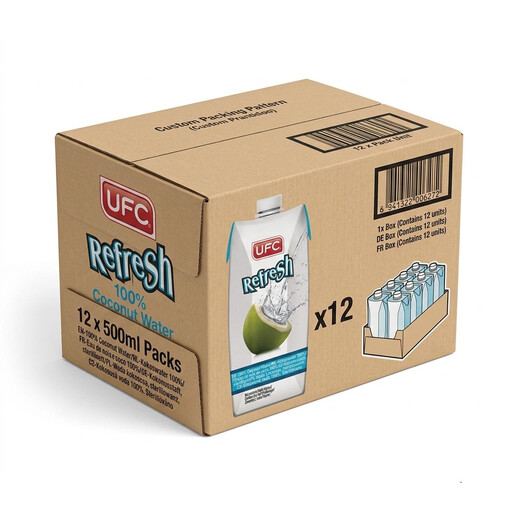
Why it's a great fit: For those who want a natural, isotonic refreshment with no additives. **Coconut water** is a well-known source of electrolytes and is excellent for hydration.
The ingredient list consists of just one item: 100% coconut water. This sidesteps both the low-fruit-content trap and the hidden-sugar trap. It is exactly what it claims to be.
A pure, natural product with no added sugar, preservatives, or colourings. According to the manufacturer, it naturally contains electrolytes like potassium and manganese.
We have compiled a complete, up-to-date list of products that fully meet these strict selection criteria and regulatory standards.
1. What is the difference between jelly drinks and regular fruit juices? The main difference lies in the texture. While fruit juices are liquid, jelly drinks have a thicker, sometimes solid consistency achieved through gelling agents like konjac powder or carrageenan. Many jelly drinks also contain solid pieces like Nata de Coco (coconut jelly) or fruit chunks, which provide an additional chewing experience and turn the drink into a snack.
2. What is the best way to store Asian drinks? Most unopened Asian drinks, especially those in cans or Tetra Paks, should be stored in a cool, dry place away from direct sunlight. After opening, it is advisable to keep the drink in the refrigerator and consume it within a few days, as recommended on most packaging. Most of these drinks also taste best when chilled.
3. Are Chinese drinks like hawthorn juice very sweet? The flavour profile can vary. Hawthorn juice, for instance, is known for its characteristic sweet-and-sour taste and is often considered an appetite stimulant. It is generally not overly sweet. To be sure, it is always best to check the nutritional table on the packaging and compare the sugar content per 100 ml with other drinks you are familiar with.