
Lieferung heute & morgen

Qualitätsgarantie

Willkommens-Angebote freischalten: KOSTENLOSE Lieferung | Bis zu 80 % RABATT | Kostenlose 30-Tage-JoyPlus-Testphase
App herunterladen
The diverse world of Asian beverages is captivating a growing audience. From exotic fruit juices to traditional teas and milky refreshments, the selection is vast and enticing. However, this abundance can also lead to disappointment when a product fails to meet expectations. Many consumers encounter drinks that contain more sugar than fruit or have an artificial taste. This guide will help you spot the most common pitfalls and make an informed choice.
As your Joybuy Product Recommendation Officer, I filter through the noise to help you find products that align with your standards, without you falling for exaggerated marketing claims.
To ensure you're getting a quality product, you should check three key criteria. These will help you separate the wheat from the chaff and choose a drink that genuinely delivers on taste.
A product's designation provides the most crucial clue about its contents. In Europe, these terms are clearly defined:
Always check the product's official designation and the fruit percentage in the ingredients list to avoid being disappointed by a watery or overly sweetened drink.
A look at the nutritional information table is essential. Pay attention to the "of which sugars" value. A high sugar content, especially if it outweighs the fruit content, points to a heavily sweetened product. Also, check the ingredients list: if sugar (sucrose) or fructose syrup appears near the top, it is a primary component. Some beverages, such as traditional Korean drinks, are naturally less sweet and offer a more authentic taste experience.
Additives are not inherently bad, but their type and quantity determine the quality of the beverage.
Here are a few recommendations tailored to different preferences, all of which meet the quality criteria mentioned above.
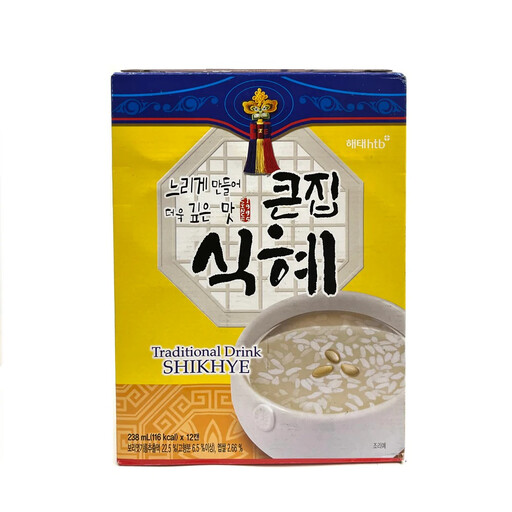
Why This Fits Their Persona: Offers a traditional Korean flavour profile that stands apart from typical sweet fruit drinks. Ideal for those seeking authentic, less-sweet Asian specialities that are deeply rooted in Korean culture.
Made from simple ingredients like rice and barley malt extract. The sweetness is natural and not overpowering, thus avoiding the typical sugar trap. It contains no artificial flavours.
A unique, refreshing taste with a light ginger note and soft rice grains. A traditional Korean beverage often enjoyed as a dessert or digestif.
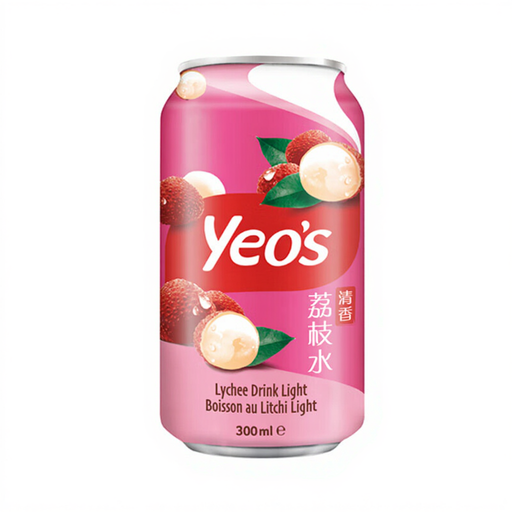
Why This Fits Their Persona: Perfect for anyone who loves the sweet and distinctive taste of exotic fruits. An uncomplicated treat for any time of day, as an accompaniment to spicy meals, or as a base for cocktails.
Yeo's is known for its clear and recognisable lychee flavour. Although it is a sweetened drink, the characteristic fruit aroma is front and centre, without being masked by excessive artificial notes.
Classic, sweet, and fragrant lychee taste in a convenient single-serving can. Ideal when chilled for a quick refreshment.
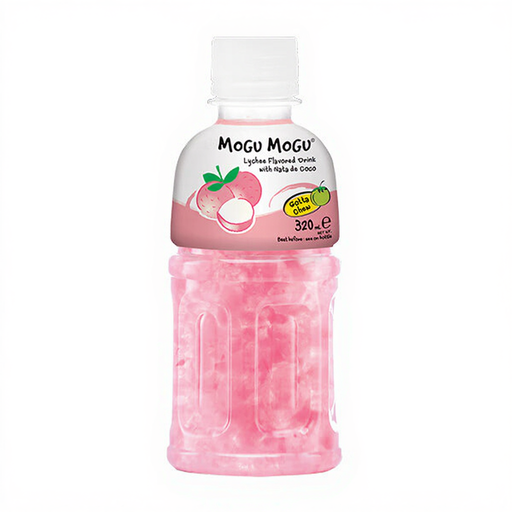
Why This Fits Their Persona: Combines a fruity drink with a playful chewing experience. Ideal for the trend-conscious and anyone looking for a beverage that is more than just a thirst quencher and offers an interactive element.
The appeal lies in the texture. Instead of relying solely on sweetness, Mogu Mogu adds value with its pieces of Nata de Coco, which goes beyond mere flavour and makes the product unique.
A unique combination of lychee juice and chewy jelly pieces made from coconut water. It offers a fun drinking experience that is a fan favourite.
We've compiled a complete, up-to-date list of products that fully meet these strict selection criteria and local regulations.
1. What is the difference between fruit juice, nectar, and a fruit juice drink? A fruit juice is made of 100% fruit. A fruit nectar has a lower, legally specified fruit content (e.g., 25–50%) and may contain added sugar. A fruit juice drink has the lowest fruit content and typically contains significantly more sugar and water.
2. What exactly is Nata de Coco in drinks like Mogu Mogu?Nata de Coco is a chewy, jelly-like food product produced by the fermentation of coconut water. It has a mild, slightly sweet taste and a pleasant, firm texture, making it a popular ingredient in Asian desserts and beverages.
3. How should I store opened Asian drinks? Most of these beverages, especially juices and nectars, should be refrigerated after opening and consumed within 3 to 5 days. Always check the manufacturer's instructions on the packaging, as they can vary by product. Canned drinks are best consumed immediately after opening.