
Lieferung heute & morgen

Qualitätsgarantie

Willkommens-Angebote freischalten: KOSTENLOSE Lieferung | Bis zu 80 % RABATT | Kostenlose 30-Tage-JoyPlus-Testphase
App herunterladen
The variety of Asian beverages available in online shops is constantly expanding. From tropical juices to Korean specialities, the selection is tempting. However, not every exotic-looking product lives up to its label's promise. Many buyers are left disappointed by watery flavours or misleading product descriptions. As your Joybuy Product Recommendation Officer, I'm here to help you spot the common pitfalls and make an informed choice.
Before you fill your cart, you should be aware of two common marketing tactics that often lead to disappointment:
To ensure you get a quality product that meets your expectations, check these two parameters before purchasing.
The designation on the packaging provides crucial clues about the composition. In food labelling laws, there are clear distinctions:
Always check the ingredients list and the product name to determine the actual fruit content.
Asian soft drinks and juices often stand out for their unique ingredients.
A transparent declaration of all ingredients is an indicator of the manufacturer's quality and trustworthiness.
Here are a few recommendations tailored to different preferences and use cases.
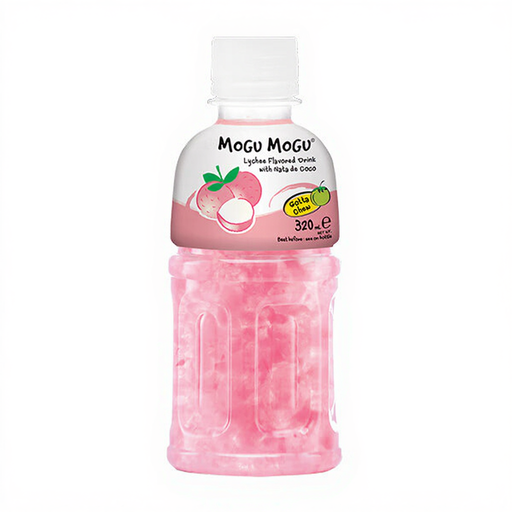
Why This Fits Their Persona: Ideal for anyone who has discovered the trend of textured drinks on social media. It combines the popular lychee flavour with a noticeable amount of chewy nata de coco, offering a fun drinking experience.
This drink avoids the texture deception because the nata de coco is a central and abundant component. The 25% fruit juice content is transparently declared for a fruit-flavoured drink of this type.
The combination of drinking and chewing offers a unique sensory experience. The lychee flavour is clean and refreshing.
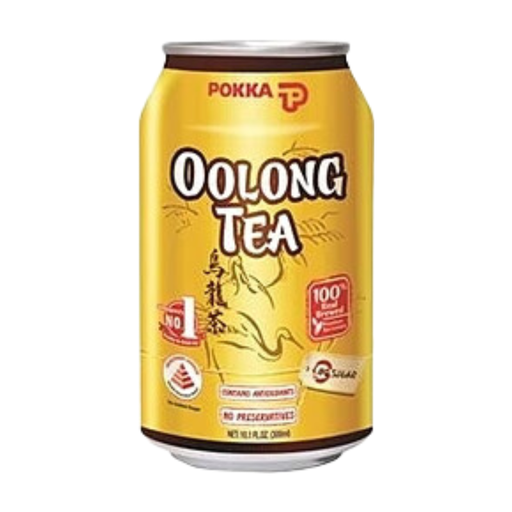
Why This Fits Their Persona: Perfect for consumers seeking an authentic, unsweetened beverage. It's an excellent accompaniment to Asian meals or a refreshing, sugar-free alternative to soft drinks.
This drink bypasses the "fruit juice" trap by completely omitting sugar and fruit additives. It is a pure tea beverage that delivers exactly what it promises: authentic oolong tea flavour.
Sugar-free and calorie-free. The taste is pure, focusing on the natural aroma of oolong tea without any artificial sweetness.
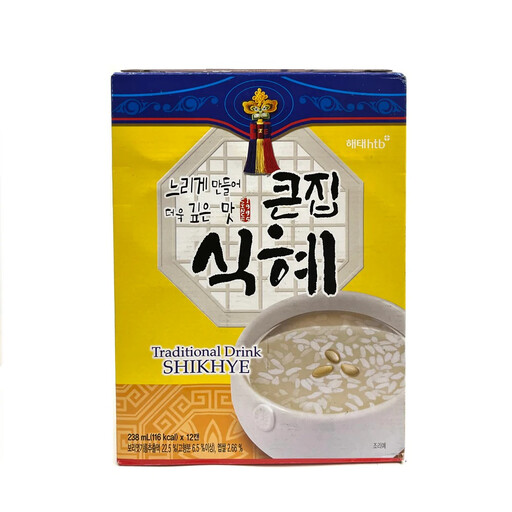
Why This Fits Their Persona: For lovers of Korean culture looking for a traditional and authentic drink. Shikhye is a staple in Korean cuisine and offers a unique taste that is very different from Western beverages.
This product is not a Western interpretation but an authentic Korean drink. The ingredients list is short and traditional (water, rice, barley malt extract), which underscores its authenticity.
Offers an authentic taste experience with a mild, natural sweetness and soft rice grains as an inclusion. It's a cultural and culinary discovery.
We have compiled a complete, up-to-date list of products that fully meet these strict selection criteria and local regulations.
Nata de coco is a chewy, jelly-like substance produced by the fermentation of coconut water. It has a neutral to slightly sweet taste and a pleasant, firm texture. In Asian drinks, it is often cut into small cubes and used as an inclusion to add an extra sensory component to the drinking experience.
After opening, most Asian drinks—especially juices, nectars, and milk-based beverages—should be stored tightly sealed in the refrigerator. It is recommended to consume them within 2 to 3 days to preserve freshness and flavour. Always follow the specific instructions on the product packaging.
The level of sweetness can vary greatly. Some Asian soft drinks, particularly those aimed at the Western market, can have a similar or even higher sugar content. However, traditional beverages like unsweetened tea or certain tropical juices are often less sweet, focusing more on the natural flavour of the ingredients. A look at the nutritional information and the sugar content per 100 ml will provide a clear answer.