
Same-day & Next-day Delivery

Quality Guaranteed

Unlock Your Welcome Offers: FREE Delivery | Up to 80% OFF | Free 30-day JoyPlus trial
Download the APP
The variety of Asian drinks is increasingly finding its way into Western households. From refreshing coconut water to exotic juices, the selection is tempting. However, the search for authentic, high-quality products can quickly become overwhelming. Many consumers encounter drinks that promise more than they deliver. This guide will help you avoid the common pitfalls and make an informed choice.
As a Joybuy Product Recommendation Officer, I analyse market data to provide you with objective, practical shopping advice that saves you from buyer's remorse.
Before you buy, you should be aware of three common problems that often lead to an unsatisfying taste experience or a poor purchase.
To ensure you get a high-quality product that meets your expectations, you should check three core parameters.
The most important information can be found in the ingredients list and the product name. Pay attention to the following distinctions:
A look at the sugar content per 100 ml also reveals whether you're getting a refreshment or a liquid candy.
Authenticity is a decisive factor for many. Brands like FOCO Drink or CHAOKOH are established in Asia and known for their traditional recipes. If you specifically want to buy coconut water that tastes like it's fresh from the nut, Thai brands are often a reliable choice as they produce directly in the growing regions. The country of origin on the packaging provides this information.
For drinks with add-ins like nata de coco, the quality of this ingredient is crucial. Nata de coco is a firm, jelly-like product created through the fermentation of coconut water. A good product is characterised by a pleasantly chewy, but not rubbery, consistency and a neutral, slightly sweet taste that complements the juice's flavour rather than overpowering it.
Here are some recommendations tailored to different preferences and use cases that meet the quality criteria mentioned above.
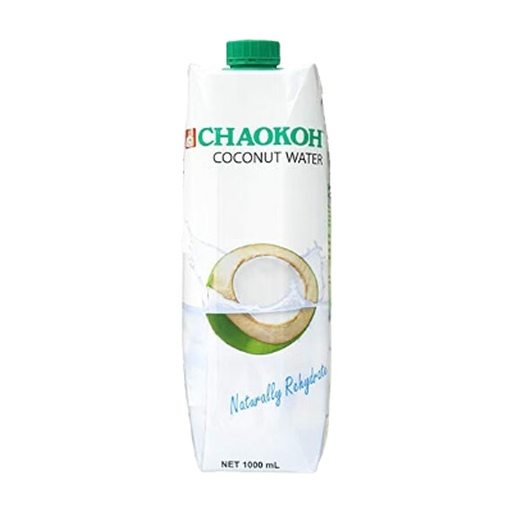
Why This Fits Their Persona: Ideal for anyone seeking a natural, unsweetened refreshment. Perfect for rehydrating after a workout or as a base for healthy smoothies.
This product completely avoids the sugar trap. The ingredients list has just one item: 100% coconut water. There are no hidden sugars or artificial additives.
Natural electrolytes; no added sugar; authentic taste from Thailand.
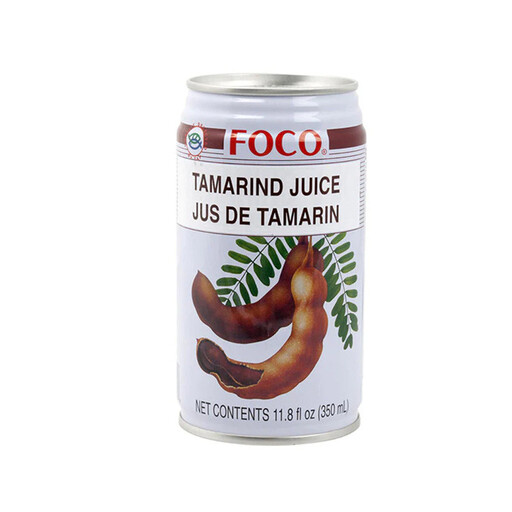
Why This Fits Their Persona: For those who are curious about new, authentic flavour experiences. The sweet-and-sour tamarind juice is a welcome departure from conventional fruit juices.
This drink avoids the false authenticity trap. FOCO is an established Thai brand, and the juice is made with 20% tamarind pulp, guaranteeing a genuine taste.
Unique, exotic flavour profile; made by a well-known brand from Thailand.
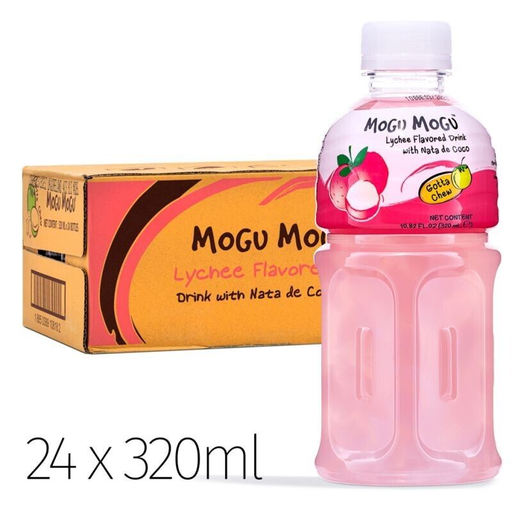
Why This Fits Their Persona: For anyone looking for a drink with a little something extra. The combination of sweet lychee juice and chewy nata de coco pieces makes Mogu Mogu a unique experience.
Mogu Mogu is the market standard for drinks with nata de coco, thus avoiding the trap of inconsistent quality. The texture of the nata de coco is the defining, reliable feature here.
Unique drinking experience combining juice and chewy pieces; globally recognised brand.
We've compiled a complete, up-to-date list of products that fully meet these strict selection criteria.
Nata de coco is a chewy, translucent substance produced by the bacterial fermentation of coconut water. It has a jelly-like consistency and a mild, slightly sweet taste. In beverages, it serves as a textural add-in that creates an interactive "chew-and-sip" experience.
Pure coconut water, like that from CHAOKOH or Bamboo Tree, is the clear liquid from the inside of young, green coconuts. It is naturally isotonic, fat-free, and contains no additives. Coconut juice with pulp, like the one from FOCO, is a blended beverage. In addition to coconut water, it also contains puréed or chunky coconut flesh, and often added water and sugar, giving it a creamier texture and a sweeter taste.
No, that's a common misconception. While many fruit juice drinks produced for the Western market have a high sugar content, there is a wide range of traditional beverages that are less sweet. These include unsweetened coconut water, herbal teas, or even tart juices like tamarind juice. A quick look at the nutrition facts and ingredients list is always a good idea.