
Same-day & Next-day Delivery

Quality Guaranteed

Unlock Your Welcome Offers: FREE Delivery | Up to 80% OFF | Free 30-day JoyPlus trial
Download the APP
The world of Asian beverages is diverse and fascinating, but the sheer variety can be overwhelming. From trendy Korean spirits to traditional Chinese rice wine, the selection is constantly growing. However, many consumers are unsure what to look for when buying and fall into avoidable pitfalls. This guide will help you separate the wheat from the chaff and find products that meet your expectations.
Before you make a decision, it's helpful to know the three most common misconceptions that often lead to disappointment.
To make an informed decision, focus on three essential characteristics. These will help you objectively evaluate a product's quality and suitability.
The most important factor is the intended use. Asian beverages can be roughly divided into four categories:
A transparent ingredient list is a clear sign of quality. Authentic products feature specific ingredients like glutinous rice, koji ferment (for rice wine), or a high percentage of real fruit pulp. The country of origin also provides insight: Korean beverages like Makgeolli or Soju should ideally come directly from South Korea to ensure a traditional production process. For a fruit juice from Asia, the percentage of fruit is the deciding factor.
For alcoholic beverages, the alcohol content (in % ABV) is mandatory information and is crucial for the character of the drink. For non-alcoholic versions, it's worth looking at the nutrition facts. Many manufacturers now offer sugar-free alternatives sweetened with agents like sucralose. This is particularly relevant for consumers who want to control their sugar intake.
Here are some recommendations tailored to different needs and use cases.
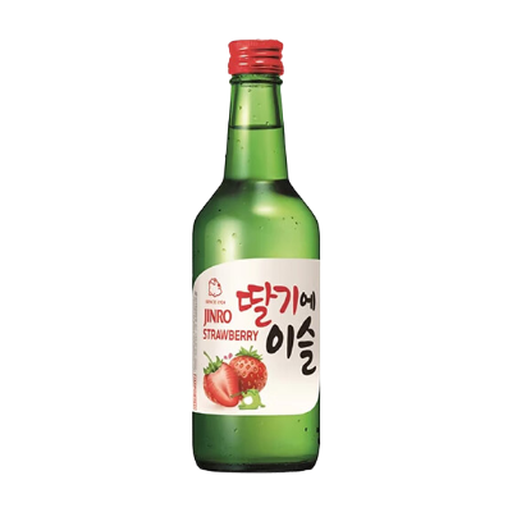
Why This Fits Their Persona: Ideal for social gatherings and anyone who has discovered the soju trend through K-dramas or social media. The strawberry variant is approachable and a great entry point into the world of Korean spirits.
The product is clearly labelled as a "Flavored Soju (Spirit)" with 13% ABV. This prevents confusion with a light fruit juice drink.
Combines the clean taste of Chamisul Soju with a sweet strawberry note. Versatile: enjoy chilled neat, on the rocks, or as a base for cocktails.
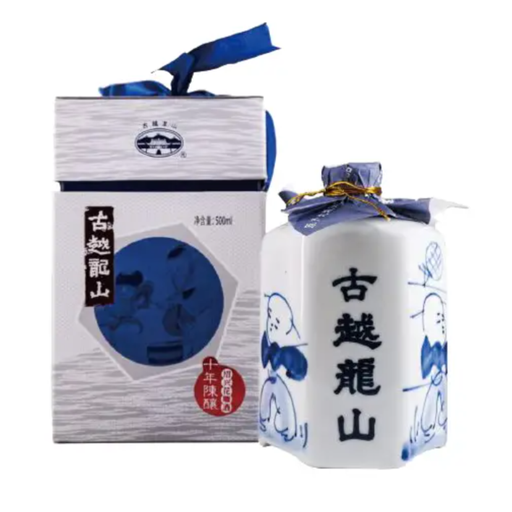
Why This Fits Their Persona: Essential for anyone wanting to prepare authentic Chinese dishes like braised beef or steamed fish. The long ageing period indicates high quality, which is reflected in the dish's flavour.
The description as "half-dry Hua Diao" and the serving suggestion for dishes make it clear that this is a cooking wine, preventing the mistake of drinking it neat.
Aged for 10 years for a complex, nutty aroma and a rich umami flavour. Made by Gu Yue Long Shan, a renowned producer.
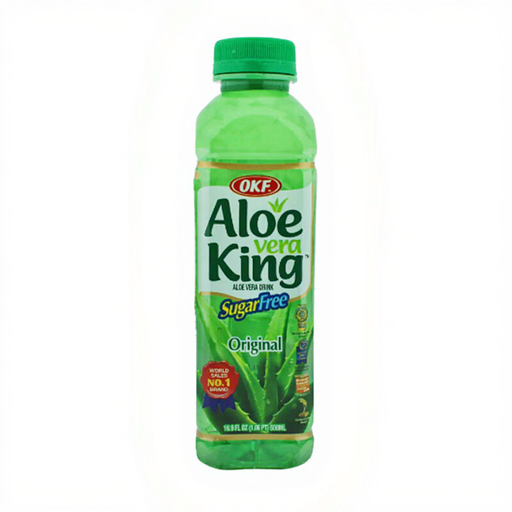
Why This Fits Their Persona: Perfect for anyone looking for a refreshing alternative to water or sugary sodas. The bulk pack is ideal for stocking up at home or in the office.
The "Sugar Free" label and the nutrition facts stating 0 kcal and 0g of sugar per 100ml provide maximum transparency, avoiding the trap of hidden sweeteners.
Contains 30% real aloe vera gel for a pleasant texture. Sweetened with sucralose, making it calorie-free. Made in South Korea by a well-known manufacturer.
We've compiled a complete, up-to-date list of products that fully meet these strict selection criteria.
Soju is traditionally served neat and well-chilled in small glasses. It is customary to pour for others rather than filling your own glass. Fruity soju varieties are also excellent as a base for cocktails, mixed with sparkling water, lemon-lime soda, or fruit juices.
The main difference lies in the ingredients and flavour profile. Cooking wine (e.g., Shaoxing wine) often contains salt and is not intended for drinking neat. Its robust, complex aroma serves to enhance the flavour of dishes. Rice wine for drinking (e.g., Makgeolli or sweet Jiuniang) is milder, often sweet or slightly tart, and is consumed as a standalone beverage.
Aloe vera drinks can be a refreshing change of pace. The composition is key. Products with real aloe vera pulp offer an interesting texture. Pay close attention to the sugar content on the nutrition label. For a calorie-conscious choice, there are sugar-free versions made with sweeteners. The objective quality depends on the percentage of aloe vera and the type and amount of added sweeteners.