
Lieferung heute & morgen

Qualitätsgarantie

Willkommens-Angebote freischalten: KOSTENLOSE Lieferung | Bis zu 80 % RABATT | Kostenlose 30-Tage-JoyPlus-Testphase
App herunterladen
The selection of Asian drinks in supermarkets and online shops is constantly growing. From fruity lychee juice to exotic tamarind juice, the variety is tempting. But with great choice comes uncertainty. Not every drink that looks exotic delivers on its promise. As your Joybuy Product Recommendation Officer, I'll help you spot the common pitfalls and make an informed choice.
Before you buy exotic juices, it's helpful to know the most common issues that often lead to an unsatisfying taste experience.
To avoid these pitfalls, you should check three key aspects before buying. These will help you objectively assess the quality and type of drink.
The name on the packaging provides a crucial clue to its composition. While regulations vary by country, these categories are common:
A quick look at the back of the packaging provides valuable information. Pay attention to the following points:
Asian drinks are often known for their special textures. If you're looking for an interactive drinking experience, products with additions are ideal.
Based on these objective criteria, we have selected a few products from our range that suit different preferences.
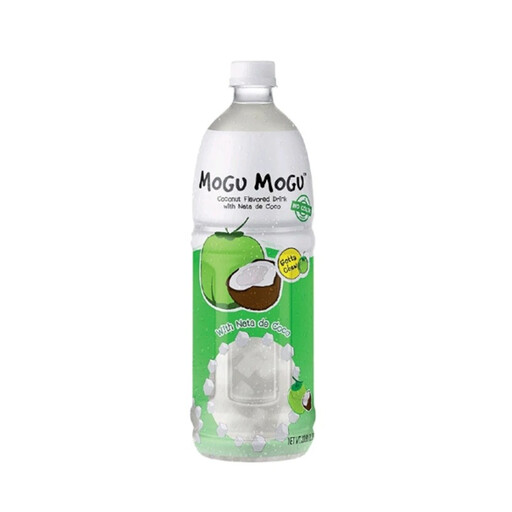
Why This Fits Their Persona: Ideal for anyone who wants to not just drink, but experience their beverage. The combination of coconut flavour and chewy nata de coco pieces offers a unique, interactive drinking experience.
The product name and description explicitly state "with Nata de Coco." This clearly manages expectations about the texture from the outset, so there are no unpleasant surprises.
A unique "chew-and-drink" experience. The 1-litre bottle is great for sharing at social gatherings.
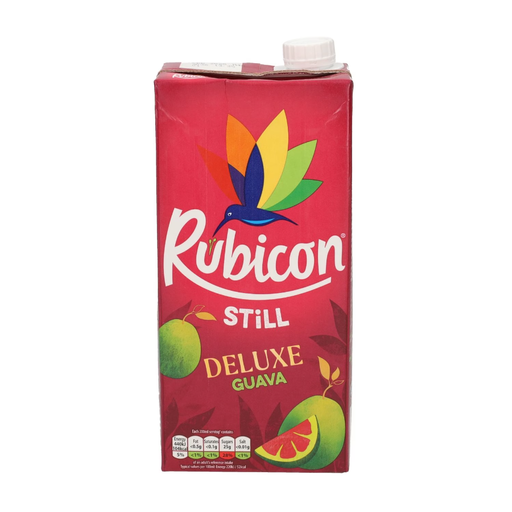
Why This Fits Their Persona: Perfect for those who prefer a full-bodied, authentic, and straightforward fruit flavour without any solid pieces. Rubicon's guava juice is a classic for lovers of tropical nectars.
The product is declared as an "Exotic Juice Drink" with 18% guava puree. This transparently communicates that it is not 100% juice, thus avoiding the fruit content fallacy.
High fruit puree content (18%) for an intense flavour. Also fortified with Vitamin C.
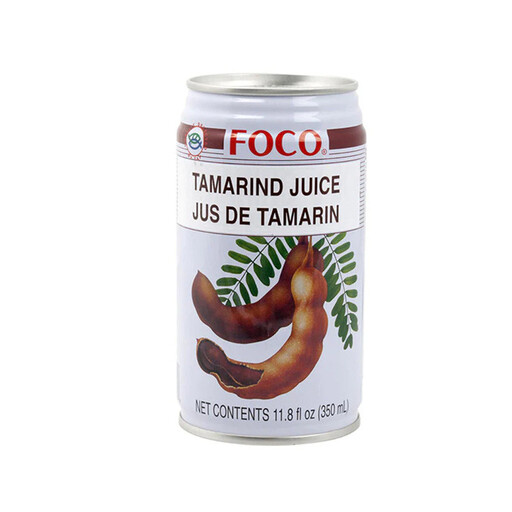
Why This Fits Their Persona: For connoisseurs of Asian cuisine or adventurers who appreciate the characteristic sweet-and-sour taste of tamarind. This juice is an excellent complement to spicy dishes or as a standalone refreshment.
The nutrition facts clearly list the sugar content (14g per 100ml). This allows consumers to make a conscious decision and not be caught off guard by an unexpected sweetness that masks the sour character.
Made with 20% real tamarind pulp, ensuring an authentic and intense flavour. A welcome change from the usual fruit juices.
We have compiled a complete, up-to-date list of products that fully meet these strict selection criteria and local regulations.
1. What exactly is nata de coco in drinks like Mogu Mogu? Nata de coco is a chewy, jelly-like substance produced by the fermentation of coconut water. It has a mild, slightly sweet taste and a pleasant, firm texture that is popular in many Asian desserts and drinks.
2. How should I store opened Asian drinks? Most fruit juices, nectars, and fruit juice drinks should be refrigerated after opening and consumed within 2-3 days. Pay attention to the specific instructions on the packaging, as shelf life can vary depending on the product and preservatives used.
3. Are Asian fruit juice drinks generally very sweet? Not necessarily, but many are. The level of sweetness largely depends on the brand, the type of fruit, and the amount of added sugar. Drinks made from fruits like lychee or mango are naturally sweeter, while tamarind or calamansi bring a sour note. A look at the "of which sugars" line in the nutrition table is the most reliable way to gauge the sweetness level before buying.