
Lieferung heute & morgen

Qualitätsgarantie

Willkommens-Angebote freischalten: KOSTENLOSE Lieferung | Bis zu 80 % RABATT | Kostenlose 30-Tage-JoyPlus-Testphase
App herunterladen
Anyone looking to buy Asian drinks is often faced with a vast and tempting selection. From exotic fruit juices to beverages with unusual textures, the choice can be overwhelming. However, not every colourful label delivers on its promise. Certain marketing tricks and unclear product information can lead to a purchase that doesn't meet your expectations.
This guide will help you identify the key features and make an informed choice. We'll highlight the most common pitfalls and show you what to look for to find authentic and satisfying taste experiences.
Before you fill your shopping cart, you should be aware of two common issues that often lead to disappointment:
To ensure you select the right product for your taste and standards, you should closely examine two core parameters.
The most important source of information is the ingredients list on the back of the package. Pay close attention to the percentage of fruit content. In the UK and EU, there are clear definitions:
A short and understandable ingredients list is often an indicator of a less processed product. For example, if you are looking for an authentic Chinese hawthorn juice, hawthorn, water, and sugar should be the main components.
Many Thai soft drinks, especially the well-known Mogu Mogu Drink, owe their popularity to a special ingredient: Nata de Coco. This is a firm, jelly-like product obtained through the fermentation of coconut water. It gives the beverage a unique, chewable component, turning it into a hybrid drink and snack. If you are looking for a drink with fruit bits that offers this kind of experience, the mention of Nata de Coco on the ingredients list is a clear sign.
To make your decision easier, we have put together a few products based on different preferences and use cases.
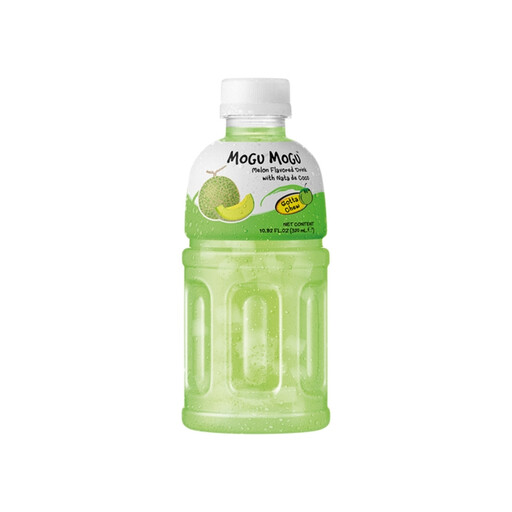
Why This Fits Their Persona: Ideal for those seeking an interactive drinking experience. The combination of melon flavour and the chewy Nata de Coco pieces offers a welcome change from traditional juices. The case of 24 is perfect for parties or for stocking up.
The product description is transparent about the texture, explicitly mentioning "real Nata de Coco pieces." The focus is clearly on the unique chewing experience, which prevents false expectations of fruit pulp.
Offers a unique combination of a drink and a snack. According to the manufacturer, the product is Halal-certified and contains 0g of fat.
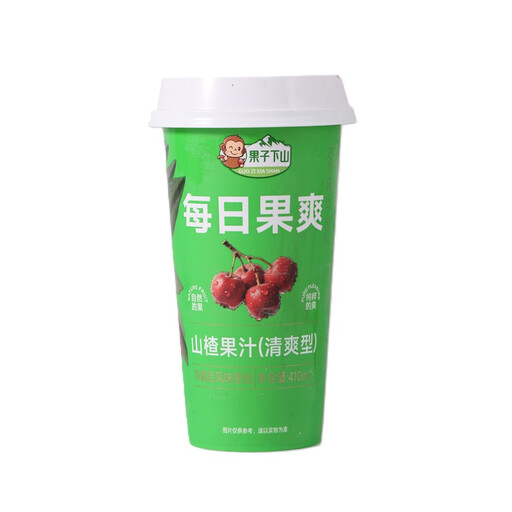
Why This Fits Their Persona: Perfect for consumers looking for authentic flavours popular in Asia. Hawthorn juice is known for its sweet and sour profile and is a classic choice in Chinese cuisine, often served as an accompaniment to meals.
This drink avoids the pitfall of misleading fruit imagery with a clear and simple ingredients list. According to the manufacturer, it consists only of water, hawthorn (15%), and sugar, with no artificial additives.
Authentic, traditional flavour with a minimalist ingredients list. The fruit content is clearly declared at 15%.
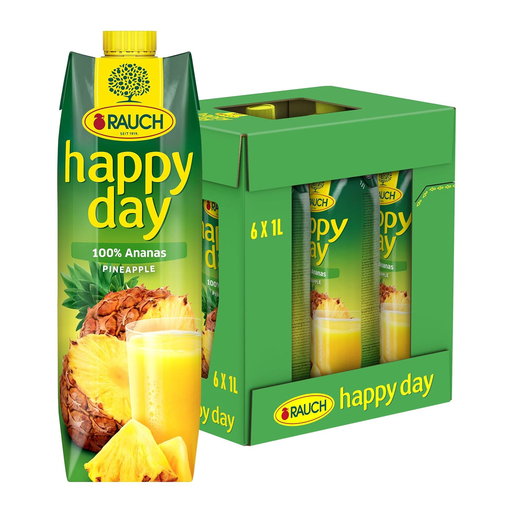
Why This Fits Their Persona: This bulk pack is an economical solution for regular consumption in families or for stocking the pantry. Pineapple juice is a popular exotic flavour, offered here in pure juice form, making it highly versatile.
The product completely avoids the low-fruit-content pitfall, as it consists of 100% pineapple juice from concentrate, according to the manufacturer. The declaration is unambiguous and leaves no room for misunderstanding.
High fruit content of 100%. The convenient bulk pack offers excellent value for money for daily needs. The juice is also vegan and Halal-certified.
The ability to order fruit juice drinks online provides easy access to a wide range of exotic fruit juices. With the right knowledge about ingredients and product characteristics, you can ensure your choice becomes a true delight.
We have compiled a comprehensive, up-to-date list of products that fully meet these strict selection criteria.
1. What is the difference between a fruit juice drink and a fruit juice? The main difference lies in the fruit content. A fruit juice must consist of 100% fruit (either as direct juice or from concentrate). A fruit nectar has a lower, legally prescribed minimum fruit content (e.g., 25% for passion fruit, 50% for apples) and may have added sugar and water. A fruit juice drink has the lowest fruit content and consists mainly of water, sugar, and flavourings.
2. What is the best way to store Asian drinks, especially in bulk packs? Unopened bottles, cans, or cartons should be stored in a cool, dry place away from direct sunlight. This preserves the flavour and quality. After opening, the drinks must be kept in the refrigerator and, as indicated on the packaging, usually consumed within a few days.
3. Are drinks with Nata de Coco suitable for children? Generally, yes, as many children enjoy the chewy texture. However, for very young children who cannot yet chew well, the jelly pieces can pose a potential choking hazard. Suitability should therefore be assessed by parents based on the child's age and ability.