
Lieferung heute & morgen

Qualitätsgarantie

Willkommens-Angebote freischalten: KOSTENLOSE Lieferung | Bis zu 80 % RABATT | Kostenlose 30-Tage-JoyPlus-Testphase
App herunterladen
The variety of Asian beverages is finding a growing audience in Germany. From fruity sodas to traditional teas, the selection is constantly expanding. But as the choices grow, so does the risk of encountering products that promise more than they deliver. As your Joybuy Product Recommendation Officer, I'll help you recognise the common pitfalls and make an informed choice.
The market for exotic soft drinks is filled with products that advertise with colourful labels and enticing names. However, not everything that looks Asian offers an authentic taste experience. Before you fill your shopping cart, you should be aware of three common problems:
To avoid these pitfalls, a closer look at a few key parameters is essential before you order Asian drinks online.
An informed decision protects you from disappointment. Focus on three verifiable criteria to separate the wheat from the chaff.
The country of origin is a crucial first indicator of authenticity. A drink produced in South Korea, Japan, or Thailand is more likely to follow a traditional recipe. Pay attention to the information on the label. Specifically look for Korean drinks or Japanese soda if you want a specific taste experience, and check if the place of manufacture matches your expectations.
A transparent ingredient list is essential. Instead of being guided by marketing terms, you should check the facts:
Sometimes the packaging says more than a thousand words. The most famous example is the iconic glass bottle of Ramune soda with its glass marble stopper. This traditional packaging is not just a gimmick but a strong sign of an authentic product that has been popular in Japan for generations. So, if you want to buy Ramune, the bottle itself is a mark of quality.
Based on the criteria above, we have compiled a selection of drinks that suit different preferences.
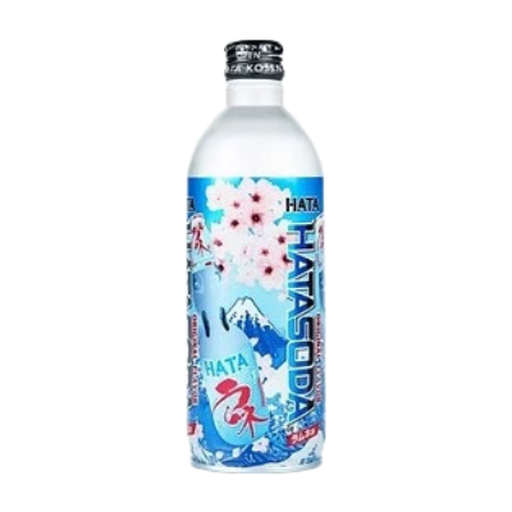
Why This Fits Their Persona: Ideal for curious individuals who want to experience a piece of Japanese pop culture. Opening the bottle is an interactive experience, and the taste is a classic among Japanese sodas.
The unique marble-stopper bottle is a clear sign of authenticity, bypassing the trap of marketing-only labels. It is an original, made in Japan.
Offers a unique drinking experience thanks to the marble stopper. The flavour is refreshing and not overly complex, making it a great entry point.
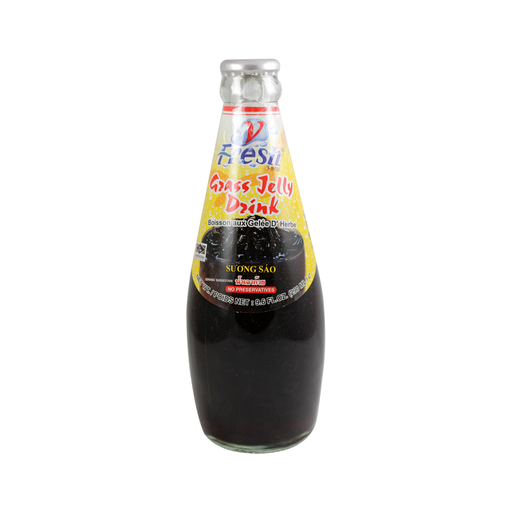
Why This Fits Their Persona: Perfect for connoisseurs seeking a traditional flavour that is widespread in Asia. This drink offers an earthy, sweet profile that stands out distinctly from Western soft drinks.
The ingredient list is short and clear (water, grass jelly, sugar), thus avoiding the "ingredient fog." The taste is unadulterated and not watered down for the mass market.
Contains 15% real grass jelly for an authentic texture. With only 5g of carbohydrates per 100ml, it is a lighter alternative to many other exotic soft drinks.
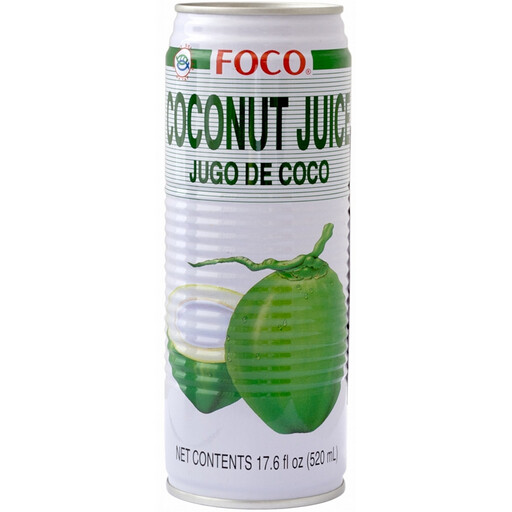
Why This Fits Their Persona: For anyone seeking a natural refreshment with real fruit flavour and texture. This drink is a great choice for a conscious diet without sacrificing enjoyment.
It bypasses the sugar trap with a high content of 80% real coconut juice and a moderate sugar level (6g per 100ml). The addition of real pulp ensures an authentic mouthfeel.
Made in Thailand, the coconuts' country of origin. Offers real coconut water with pulp and is low in calories with 35 kcal per 100ml.
We have compiled a complete, up-to-date list of products that fully meet these strict selection criteria and German regulations.
Specialised online shops typically offer a broader and more authentic selection than local retailers. When buying online, you have the advantage of being able to compare product descriptions, ingredient lists, and the country of origin at your leisure. Look for shops that provide detailed information on each product to help you make an informed decision.
The special feature of Ramune is its unique "Codd-neck bottle." It is sealed by a glass marble, which is pushed into the bottle with a special plunger before drinking. This ritual turns consumption into a small experience and is an integral part of Japanese summer culture.
No, that is a common misconception. The variety of flavours is enormous. While many fruit juices and sodas are sweet, there are numerous alternatives. These include unsweetened or lightly sweetened teas, barley or corn teas, and more tart drinks like grass jelly drinks. A look at the nutrition table and the sugar content per 100 ml quickly provides clarity on the level of sweetness.