
Lieferung heute & morgen

Qualitätsgarantie

Willkommens-Angebote freischalten: KOSTENLOSE Lieferung | Bis zu 80 % RABATT | Kostenlose 30-Tage-JoyPlus-Testphase
App herunterladen
The selection of Asian drinks and teas in Germany is constantly growing. But with more variety comes more uncertainty. Many products advertise traditional recipes, but not all live up to their claims. This guide will help you avoid common purchasing pitfalls and find products that meet your expectations for authenticity and quality.
Before making a purchase, you should be aware of three common issues that often lead to disappointment:
To ensure you're getting a high-quality, authentic product, check the following three criteria.
The order of ingredients reveals their proportion by weight. In an authentic herbal drink, the namesake herbs should be high on the list, not at the bottom after water and sugar. Look for specific herb names like Mesona (仙草), Honeysuckle (金银花), Chrysanthemum (菊花), or Licorice Root (甘草). This is especially true if you are specifically looking to buy Liang Cha. Brands like Wang Lao Ji or Jia Duo Bao are available in Germany and are known for their established formulas.
The quality of flower teas depends heavily on their origin and processing.
The choice of format depends on your personal preferences.
Here are some product recommendations tailored to different needs and preferences.
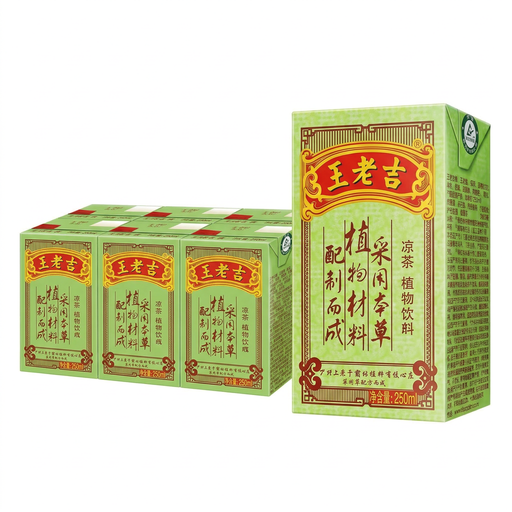
Why This Fits Their Persona: Ideal for those who seek the classic, slightly bittersweet taste of an authentic Chinese herbal tea (Liang Cha). The ready-to-drink format is perfect as an accompaniment to spicy foods like hot pot or simply as a refreshing beverage.
The ingredient list is transparent, naming specific herbs like Mesona, chrysanthemum, and licorice. This bypasses the trap of vague "herbal extract" claims and ensures a traditional recipe.
Established brand with consistent quality; ready-to-drink and convenient in a 6-pack for stocking up.
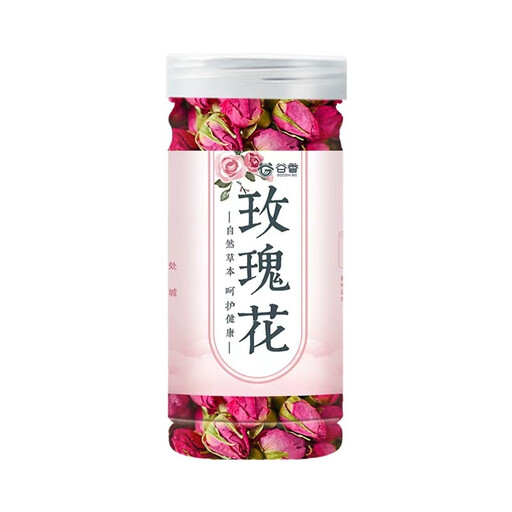
Why This Fits Their Persona: Perfect for those who appreciate the pure, unadulterated taste of flower tea and want to control the brewing process themselves. This product offers pure, dried rose blossoms with no additives for a natural tea experience.
The product explicitly declares its origin as "Shandong Pingyin," a renowned cultivation region. It avoids the trap of overpriced teas without proof of quality by providing transparent origin information.
Pure, natural product (100% rose blossoms); versatile for use in tea, baked goods, or as a garnish.
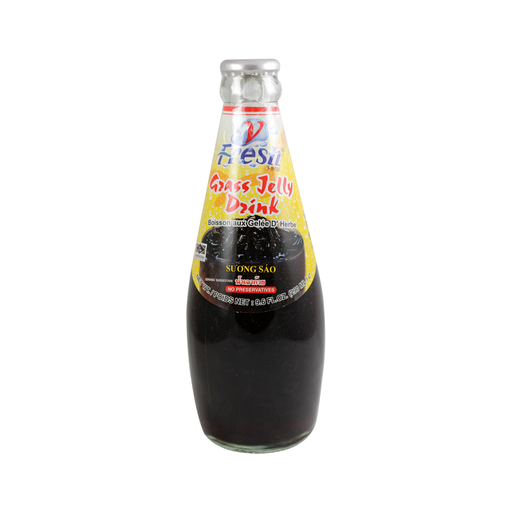
Why This Fits Their Persona: For the curious who are looking for a refreshing alternative to conventional soft drinks. The grass jelly drink offers a unique texture and a mild, sweet, earthy flavour, rounded off with a hint of mint.
The ingredient list is short and straightforward (water, grass jelly, sugar). It avoids the trap of misleading "traditional" labels by delivering exactly what it promises: a simple, refreshing jelly drink.
Unique texture and flavour; ready-to-drink and best enjoyed chilled.
We have compiled a complete, up-to-date list of products that fully meet these strict selection criteria and German regulations.
1. What is the difference between Wang Lao Ji and Jia Duo Bao? Both are very well-known brands of Chinese herbal tea (Liang Cha) with long histories. Their recipes are similar but based on slightly different herbal blends, which results in subtle differences in taste. Wang Lao Ji is often described as being a bit milder and sweeter, while Jia Duo Bao can have a slightly stronger herbal flavour. The choice ultimately comes down to personal preference.
2. How do I properly prepare loose chrysanthemum or rose tea? For one cup (approx. 250 ml), 5-7 dried chrysanthemum flowers or 3-5 rose blossoms are usually sufficient. Pour hot, but not boiling, water (approx. 85-90 °C) over the blossoms. Water that is too hot can destroy the delicate aromas. Let the tea steep for 5-7 minutes. You can enjoy it plain or sweeten it with a little honey or goji berries to taste.
3. Are Asian herbal drinks (Liang Cha) high in sugar? The sugar content varies by brand and product. Traditionally, sugar is used to balance the natural bitterness of the herbs. It is advisable to check the nutrition facts on the packaging, which indicates the sugar content per 100 ml. Many ready-to-drink beverages contain between 5 and 9 grams of sugar per 100 ml. If you want to control your sugar intake, brewing loose herbal tea is the best option, as you can omit sweeteners entirely.