
Lieferung heute & morgen

Qualitätsgarantie

Willkommens-Angebote freischalten: KOSTENLOSE Lieferung | Bis zu 80 % RABATT | Kostenlose 30-Tage-JoyPlus-Testphase
App herunterladen
Asian fish balls are a practical ingredient for hotpot, soups, oden, noodle dishes and stir-fries. When frozen, they can be stored in portions and added straight to stock or boiling water. The selection ranges from classic fish balls and surimi fish balls to varieties with squid, vegetables, taro or pork filling.
However, when looking for suitable products, certain marketing claims can quickly lead to disappointing purchases. Eye-catching packaging says little about the actual fish content, preparation method or suitability for the dish you have in mind. The key factors are the ingredients list, pack size and storage conditions.
Names such as “Lobster flavoured” or “Seafood Balls” often describe a flavour profile rather than guaranteeing a high proportion of lobster or other seafood. For example, in a lobster-flavoured product, fish meat may be the main ingredient, while the lobster note comes from a seasoning blend.
If you are looking for a particular flavour or texture, you should therefore check the ingredients list. Statements such as “fish meat 50%” or “surimi 47% and squid 11%” are more informative than illustrations on the front of the pack.
Fish balls for hotpot are often pre-cooked, or processed in a way that means they can be heated in a short time. Even so, the recommended cooking times vary. Some products can be added to the stock straight from frozen, while others should be fully defrosted before use.
Incorrect preparation can affect the desired springy texture. Frozen products must also always be thoroughly cooked or heated through to the centre.
Fish balls 200 g are suitable for a small household, a soup or trying a new variety. For a family hotpot or food service, 400 g or 500 g may be more practical. However, a larger pack only makes sense if it can be portioned effectively after opening and kept frozen.
The order of the ingredients shows which components make up the greatest quantities. A higher fish content may indicate a more pronounced fish base, but on its own it says nothing about the consistency you are looking for. Starch, protein, oil and seasoning affect whether the balls are firm, soft, juicy or particularly springy.
With Fuzhou fish balls, the main difference is usually the filling. Varieties with pork filling combine a fish paste on the outside with a savoury filling inside. If you prefer a simple fish base, unfilled products are generally the better choice.
In addition to fish, Asian frozen products may contain soya, wheat, egg, sesame, crustaceans, molluscs or celery. This applies particularly to Seafood Balls with squid or mixed varieties with artificial crab or lobster flavouring.
Allergy sufferers should check the full labelling on the packaging before buying. In the case of severe allergies, it is also advisable to consult the information provided by the manufacturer or the person responsible for the EU market.
Most of the products mentioned here must be stored at at least –18 °C. Once defrosted, they should not be refrozen. Fish balls that can be added straight from the freezer to soup or hotpot are particularly convenient.
Depending on the product, the recommended cooking time is usually around three to five minutes in boiling stock. Defrosted or pre-cooked products may require different preparation. The specific instructions on the relevant packaging take precedence.
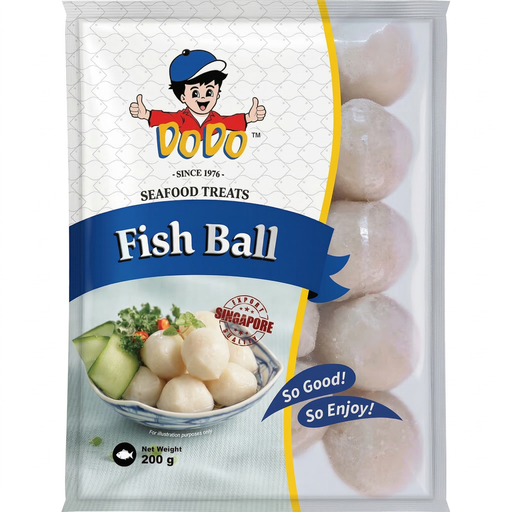
Why this product suits this profile: The 200-g pack is conveniently sized and is suitable for your first hotpot, soup or oden dishes. According to the product information, the balls are individually frozen, allowing you to take out just the amount you need.
The ingredients and allergen information indicate the presence of fish, wheat, egg and soya. This makes it easier to compare the product with your own dietary requirements rather than choosing based solely on the packaging.
200 g pack size, versatile enough for soups, hotpot, oden and pan-fried dishes.
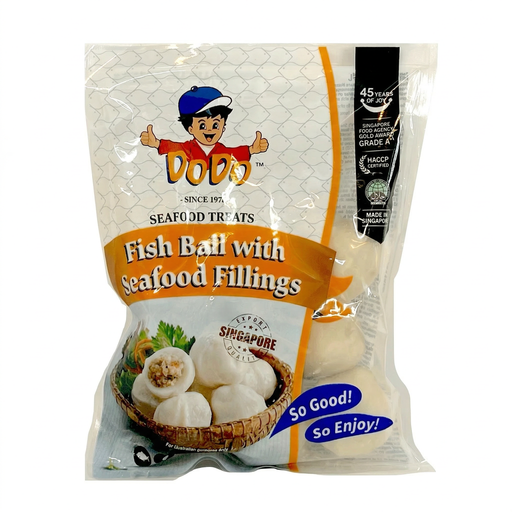
Why this product suits this profile: According to the product information, the recipe contains 47% surimi and 11% squid, as well as vegetables. This gives a more detailed picture of the composition than a simple flavour description.
The detailed ingredients list makes it clear that, in addition to fish, the product contains squid, egg, celery, sesame, soya and wheat. This supports a more informed purchasing decision.
Surimi and squid content specified; suitable for stocks, noodle soups, hotpot and pan-fried dishes.
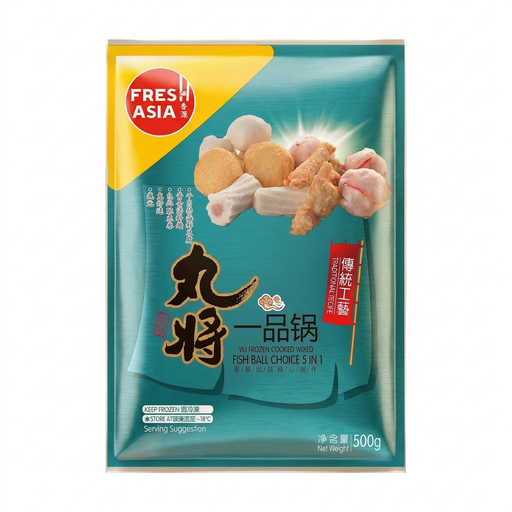
Why this product suits this profile: The 500-g pack combines five varieties, making it ideal for households and hotpot gatherings, as well as for anyone who wants to serve different textures in one dish.
The 5-in-1 selection reduces the risk of buying several separate packs containing similar varieties. At the same time, you should take note of the listed allergens, including fish, soya, egg, wheat, crustaceans and molluscs.
500 g contents, five different varieties, suitable for preparation from frozen or defrosted.
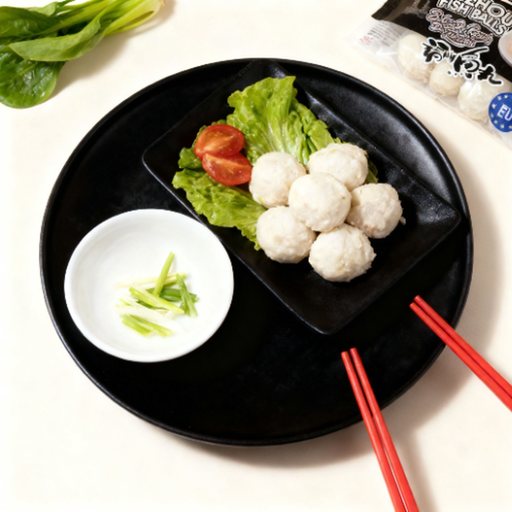
Why this product suits this profile: According to the product information, the Fuzhou Fishballs come with a savoury pork filling and are suitable for soups, hotpot or steaming.
The filling is explicitly listed as a pork ingredient. This makes it clear that these are not simple, unfilled fish balls.
400 g contents, Fuzhou style, filled variety and suitable for preparation from frozen.
We have put together a complete, regularly updated list of products that fully meet these strict selection criteria and the safety regulations applicable in the EU.
The selection includes pack sizes ranging from fish balls 200 g and fish balls 300 g to fish balls 400 g and fish balls 500 g. Smaller packs are generally easier to plan for a single meal. For regular use or larger households, bigger varieties offer more flexibility.
Many products need around three to five minutes in boiling stock. Whether they can be used straight from frozen or need to be defrosted first depends on the instructions on the relevant packaging. Before serving, they should be piping hot throughout.
The best-before date is shown on the packaging. Until then, the products should be stored continuously at –18 °C or colder. Once defrosted, they must not be refrozen. After opening, airtight packaging is recommended to help reduce freezer burn.
Classic fish balls, surimi fish balls, mixed 5-in-1 packs and Fuzhou varieties are all suitable for hotpot. The best choice depends on whether you want a simple fish base, a selection of different varieties or a pork filling. The ingredients and allergen list should always be taken into account before buying.