
Lieferung heute & morgen

Qualitätsgarantie

Willkommens-Angebote freischalten: KOSTENLOSE Lieferung | Bis zu 80 % RABATT | Kostenlose 30-Tage-JoyPlus-Testphase
App herunterladen
By the Joybuy Product Recommendation Officer, August 29, 2026
Asian fish snacks are enjoying growing popularity in the West. They offer a welcome change from traditional potato crisps and pretzels, often with an intense umami flavour and a high protein content. However, buying them online can quickly lead to disappointment. Those searching for authentic, flavourful, and high-quality products are often faced with an overwhelming selection and vague product descriptions.
This guide will help you navigate the common pitfalls and specifically find the snacks that suit your taste. We focus on objective criteria so you can make informed decisions.
Before we delve into the selection criteria, let's highlight the three most common problems that can lead to a bad purchase:
To avoid these pitfalls, you should check three core characteristics. These will give you a reliable basis for your purchasing decision.
The quality of a fish snack depends significantly on its main ingredient. Pay attention to the ingredients list to determine the actual fish content.
A look at the nutrition facts table reveals the protein content. A value of over 20g per 100g usually indicates a high proportion of real fish or seafood.
The country of origin often gives a clue to the expected flavour profile. Asia's flavour worlds are diverse.
Texture is a crucial factor for the overall enjoyment. The preparation method provides information about this.
Here are some recommendations tailored to different flavour profiles and requirements.

Why This Fits Their Persona: Ideal for those who love the classic, sweet-and-spicy flavour of Thai snacks. This snack delivers a distinct but well-balanced heat that pairs perfectly with a cool drink.
The "Hot & Spicy" designation, combined with its Thai origin, signals a clear flavour expectation, avoiding the trap of unpredictable heat. The ingredients list shows a mix of squid (40%) and surimi (30%), which explains the chewy texture.
High protein content (26g per 100g) and a characteristic chewy texture from the combination of squid and surimi.
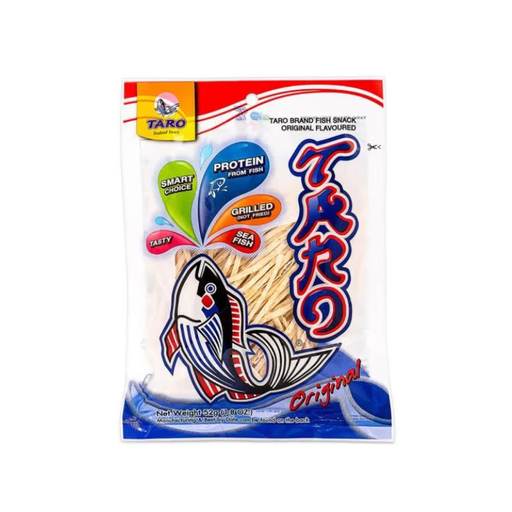
Why This Fits Their Persona: Perfect for snack lovers who prefer a pure, savoury fish flavour (umami) without dominant spiciness. A classic snack that puts the taste of the fish front and centre.
The "Original Flavour" designation signals that the focus is on the core product. With a fish meat content of 67.4% (lizardfish), this snack avoids the "misleading authenticity" trap by using a high proportion of real fish.
A very high proportion of real fish meat ensures an authentic umami flavour and a high protein content of 28g per 100g.
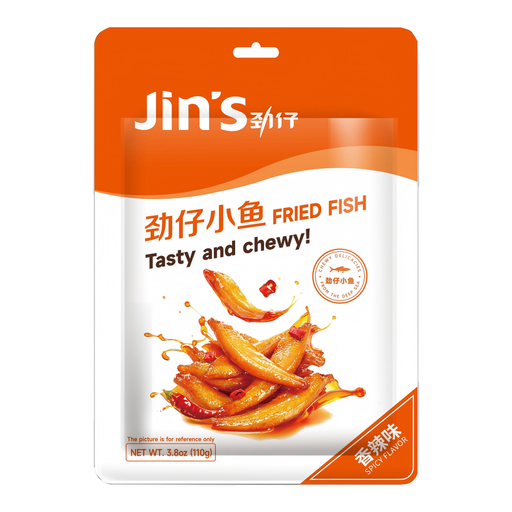
Why This Fits Their Persona: An excellent choice for athletes or anyone looking for a savoury, high-protein snack. The small, whole fish are spicily marinated and offer a satisfying, chewy texture.
This snack consists of whole small fish (anchovies), thus avoiding the trap of fillers and low fish content. The individual packaging also ensures freshness and clear portion control.
Very high protein content (25.8g per 100g) and a chewy texture. The convenient individual packets are ideal for on the go.
We have compiled a complete, up-to-date list of products that fully meet these strict selection criteria and all applicable regulations.
Most dried fish and seafood snacks should be stored in a cool, dry place, away from direct sunlight. After opening, it is advisable to reseal the packaging tightly or transfer the contents to an airtight container to preserve the texture. Crispy snacks, in particular, can quickly become soft if exposed to humidity.
That depends on the specific product. Many Asian fish snacks, especially those made from real fish, offer a significantly higher protein content than potato crisps. However, they can also contain a lot of sugar and salt. A look at the nutrition facts table is crucial. Products with high protein and moderate sugar and salt content can be a nutritious alternative.
Surimi is a paste made from minced fish meat that is washed to remove fat and unwanted substances. What remains is a protein-rich mass with a gel-like consistency. This is then mixed with ingredients such as starch, sugar, salt, and flavourings to achieve the desired texture and taste. It is a traditional ingredient in Asian cuisine and the basis for many well-known snacks.