
Lieferung heute & morgen

Qualitätsgarantie

Willkommens-Angebote freischalten: KOSTENLOSE Lieferung | Bis zu 80 % RABATT | Kostenlose 30-Tage-JoyPlus-Testphase
App herunterladen
Anyone searching for authentic Asian fish snacks knows the challenge: local supermarket selections are often limited, and online stores can be overwhelming. Whether you're craving the savoury, spicy taste of home or want to explore new culinary worlds, you might be left wondering which product will truly meet your expectations. This guide will help you avoid common pitfalls and make an informed choice.
As a Joybuy Product Recommendation Officer, my job is to filter through market information and provide you with objective, practical buying advice that helps you distinguish marketing hype from genuine product features.
Post-purchase disappointment can often be traced back to a few recurring issues. By knowing what they are, you can actively avoid them.
To ensure you find the right product, you should check three essential criteria. These will help you objectively evaluate a snack's quality and character.
The foundation of any fish snack is the type of fish used and how it's processed. These factors are the primary determinants of taste and texture.
Spicy Asian snacks are known for their complex flavours. A look at the ingredient list will tell you what to expect.
The packaging provides important clues about its intended use.
Here are some recommendations tailored to different preferences and use cases.
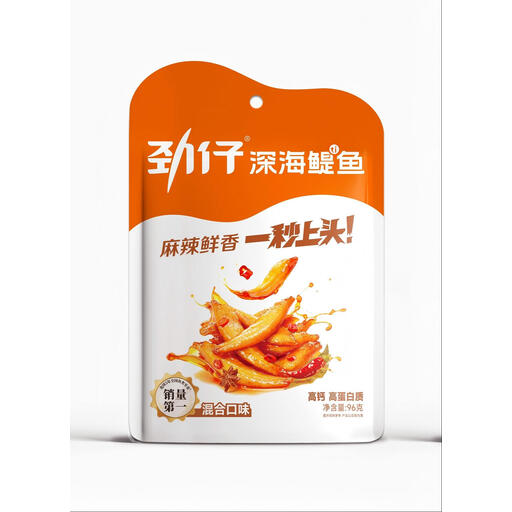
Why it's a great fit: Perfect for professionals and students looking for a protein-rich, flavour-packed snack for in-between meals. The individual packs are hygienic and fit into any bag.
The mixed pack with three flavours (Spicy, Spicy & Numbing, Sauce) solves the "misleading flavour description" problem, as you can sample different heat levels and aromas.
Offers flavour variety and convenient portioning in one product. The high fish content of at least 69% ensures a firm texture and an authentic taste experience.
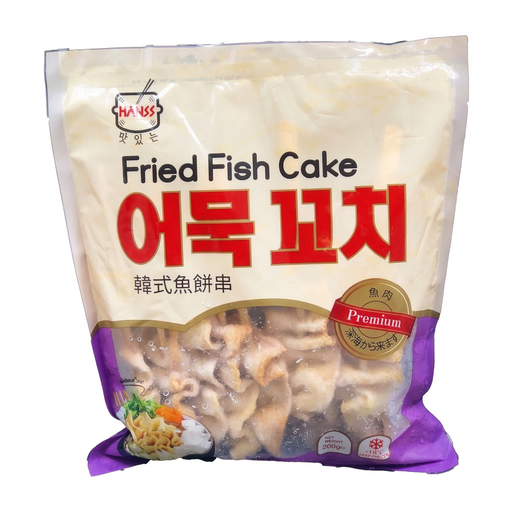
Why it's a great fit: For anyone who wants to experience the taste of Korean markets at home. This product is a quick and easy way to prepare authentic fish cake (Odeng).
The product is clearly defined as "Korean Fried Fish Cake" and is sold frozen, which precisely meets the expectation of a soft, elastic surimi texture and avoids surprises.
Provides an authentic street food experience with minimal preparation. Simply heat it in the oven, air fryer, or pan.
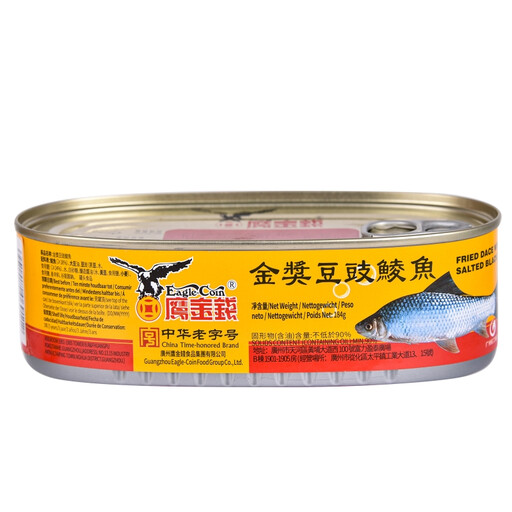
Why it's a great fit: A classic of Cantonese cuisine, perfect as a quick, flavour-intensive side for steamed rice or congee. Ideal for anyone who appreciates a powerful umami taste.
This product avoids the "unclear composition" pitfall by clearly stating it is dace (a carp-like fish) with fermented black beans—an established dish with a well-defined flavour profile.
Ready to serve and has a long shelf life. It delivers a deep, salty-savoury flavour that instantly elevates a simple meal.
We have compiled a complete, up-to-date list of products that fully meet these strict selection criteria.
1. How do I properly store Asian fish snacks to keep them fresh? Dry, crispy snacks like roasted anchovies should be stored in an airtight container in a cool, dry place after opening to prevent them from absorbing moisture and becoming soft. Products in individual packs will stay fresh until each portion is opened. Opened cans or refrigerated products like fish cakes should be stored in the refrigerator and consumed quickly.
2. Are all Asian fish snacks very spicy? No, there is a wide variety of flavours. Many mild options are based on soy sauce, sweet glazes, or smoky aromas. Products like fish tofu or simple Korean fish cake are often only mildly seasoned and absorb the flavours of the dishes they are used in. Check the product description and ingredient list for any mention of chillies or Sichuan pepper.
3. What is the difference between fish tofu and regular fish cake? Both are based on surimi (fish paste). The main difference lies in the texture and shape. Fish tofu has a particularly soft, delicate, and often cube-shaped consistency reminiscent of tofu. It is ideal for hot pot or soups. Fish cake (like Odeng) is typically flatter and has a more elastic, firmer texture. It is often served on skewers, in soups, or fried.