
Lieferung heute & morgen

Qualitätsgarantie

Willkommens-Angebote freischalten: KOSTENLOSE Lieferung | Bis zu 80 % RABATT | Kostenlose 30-Tage-JoyPlus-Testphase
App herunterladen
Asian fish snacks offer an impressive variety of flavours, from dried anchovies with chilli and Thai squid strips to crunchy Korean fish crackers. When shopping in Germany, however, it is not just the heat level and packaging design that matter. Ingredients, portion size, allergens and nutritional values all determine whether a product suits your everyday routine.
A high protein content is an objectively measurable value, but it does not tell you everything about the product’s overall composition. Some products also contain relatively high levels of fat, sugar or salt. Checking the nutritional information per 100 grams makes comparison easier. The actual portion size is also important: a 20-gram bag contains significantly less energy and protein than 100 grams.
Terms such as “Spicy”, “Hot Chilli” or “Angry Spicy” are not standardised heat ratings. Chilli sauce, chilli powder, Sichuan pepper and spice extracts each create a different taste experience. If you are looking for a classic spicy fish snack, check the ingredients list and flavour description rather than relying solely on the wording on the pack.
Not every product featuring a fish image or seafood description contains a high proportion of fish. An Anchovy Snack often consists of whole small fish, while fish crackers may be made from wheat or potato. With crunchy products, it is worth checking the order of the ingredients: they are listed in descending order by quantity.
For whole small fish, such as dried anchovies, the fish species and proportion are particularly relevant. For example, the Jin-Zai products in this selection list anchovy contents of around 69 to 70 per cent. Depending on the variety, Taro snacks are based on Lizard Fish and have a stated fish content of 67.4 to 80 per cent. Bento uses squid and surimi; the stated proportions are 40 per cent squid and 30 per cent surimi.
These differences affect the bite, flavour and feeling of fullness. Whole anchovies are generally firmer and chewier, while surimi or fish-meat products may have a more even texture.
Individual portions are practical for a snack box for days out, the office or travelling. They make it easier to manage quantities and protect the contents from moisture, provided the pack remains unopened.
The Jin-Zai range includes packs containing 240 grams, divided into 20 bags of 12 grams each. Bento and several Taro products are available in individual packs of 20 and 52 grams respectively. Before buying, therefore, check whether you need a multipack or an individual ready-to-eat fish snack.
In addition to fish, fish snacks may contain other allergens that must be declared. Common examples include soya, wheat or gluten, sesame, egg, milk, peanuts, crustaceans and molluscs. Bento in particular contains squid, wheat, crustacean and peanut flavourings, among other ingredients. Taro Original lists fish, egg, sulphites, gluten and soya.
Salt content should also be compared. Among the products listed, for example, it ranges from 0.2 to 6.7 grams per 100 grams. That is a considerable difference. For children, people with intolerances or households with specific dietary requirements, the complete ingredients and nutritional information on the product page or packaging is the deciding factor.
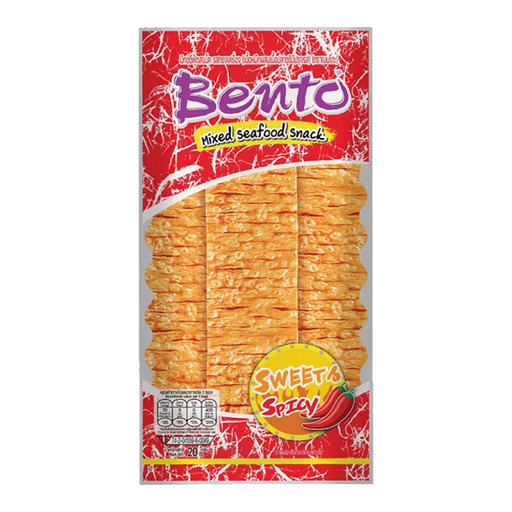
Why this product suits this profile: The small 20-gram pack is ideal for trying a Thai fish snack without committing to a large multipack. It combines squid and surimi with a sweet and spicy seasoning.
The ingredients and allergens are clearly stated. With 26 grams of protein and 4.8 grams of salt per 100 grams, the product can be assessed objectively.
20-g portion, ready to eat and, according to the product information, from Thailand. Suitable for enjoying on the go or trying for the first time.
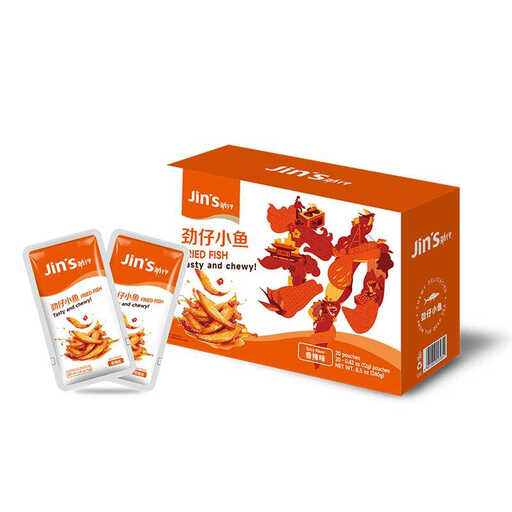
Why this product suits this profile: The pack contains 69 per cent anchovies and 20 individually wrapped portions. It is designed for shoppers who compare fish content, portioning and nutritional values before buying.
The stated anchovy content helps distinguish it from crackers made predominantly with starch. The nutritional information lists 28.5 grams of protein and 1.8 grams of salt per 100 grams.
Whole small fish, 240 grams total weight and 12-gram individual bags. According to the labelling, contains fish and soya.
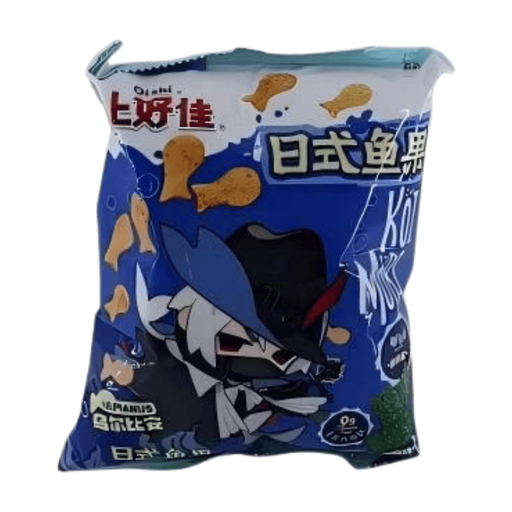
Why this product suits this profile: This is a crunchy wheat-based snack with a nori flavour, not a dried anchovy product. It is ideal for film nights, office breaks or a Japanese-inspired selection of snacks.
The ingredients list states that the product contains 68 per cent wheat flour. This makes it clear that it is a cracker with seaweed seasoning, rather than a high-protein fish snack.
Crunchy texture, 50-gram pack and nori flavour. According to the labelling, contains gluten and soya.
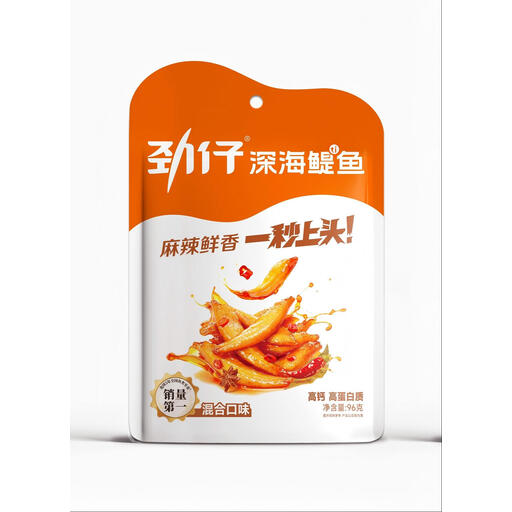
Why this product suits this profile: The mixed pack contains three flavours: Spicy, Spicy & Numbing and Sauce Flavour. It is ideal for households that want to try different seasonings or share their snacks.
Instead of buying a large pack containing just one seasoning, the 12-bag format lets you compare the flavours directly in smaller quantities.
96 grams total weight, 12 individual portions and, depending on the variety, at least 27.6 grams of protein per 100 grams.
We have put together a complete, regularly updated list of products that fully meet these strict selection criteria and the safety regulations applicable in the EU.
Most products should be stored unopened in a dry, cool place away from direct sunlight. Once opened, the snack should be consumed promptly in accordance with the packaging instructions and sealed airtight if necessary. Moisture quickly changes the texture of crunchy products. With individual portions, this issue is largely avoided because only one bag is opened at a time.
Many of the products mentioned here are labelled ready to eat and can be eaten straight from the opened pack. According to the product information, Taro Hot Chilli Fish Snack can also be heated or used as a topping for rice, noodles and salads. The specific instructions on the packaging take precedence.
The best-before date is shown on the relevant packaging. Unopened products should be stored in a dry place at room temperature unless the manufacturer states otherwise. Once opened, shelf life depends on the type of product: Bento recommends immediate consumption, while Taro Hot Chilli specifies airtight storage and consumption within 24 hours.
First check the heat level, portion size and allergens. Individual bags are easy to organise for lunchboxes and days out. Strongly seasoned varieties may be unsuitable for children or people with sensitive tastes. It is particularly important to check for fish, squid, wheat, soya, milk, peanuts and crustaceans. The information on the original packaging is the deciding factor.