
Lieferung heute & morgen

Qualitätsgarantie

Willkommens-Angebote freischalten: KOSTENLOSE Lieferung | Bis zu 80 % RABATT | Kostenlose 30-Tage-JoyPlus-Testphase
App herunterladen
Asian fish snacks combine savoury seasoning with easy storage and convenient portion sizes. Depending on the product, options range from spicy fish snacks and dried fish to tuna fillets, mackerel in sauce and marinated seafood snacks. For UK households, taste and price are not the only considerations: ingredients, allergens, salt content, packaging and how the product will actually be used day to day are all important too.
A high protein value per 100 grams may initially seem informative. However, a pack may contain just 20 or 52 grams. When comparing products, you should also calculate how much protein is actually provided per portion. A product containing 28.5 grams of protein per 100 grams provides considerably less in a 12-gram portion than the front-of-pack figure might suggest.
Spicy fish snacks may contain chilli, pepper, Sichuan pepper or a sweet sauce. When buying an anchovy snack, it is worth checking the ingredients list: if chilli, soya sauce, sugar or spice extracts appear near the beginning, they will shape the flavour profile. Terms such as “Spicy”, “Mala” and “Sweet & Spicy” do not represent standardised levels of heat.
Unopened tins and individual sachets can usually be stored at room temperature. Once opened, however, different rules apply. Fish from a tin should be transferred to a suitable container and refrigerated. Some individual snacks should be eaten promptly, as their texture and freshness may deteriorate after opening.
Anchovies, mackerel, tuna, squid and surimi differ significantly in texture and how they absorb seasoning. If you are looking for firm, chewy dried fish, you will often find products made with anchovies or fish meat. However, an Asian fish snack may also contain seafood such as squid or surimi.
Look for the quantitative ingredient declaration. In the Jin-Zai snack with spicy seasoning, the stated anchovy content is 69 per cent. According to the product information, the BENTO Fish Snack contains 40 per cent squid and 30 per cent surimi. This information helps you distinguish a genuine fish snack from a product based more heavily on starch or sauce.
For an informed choice, protein, energy, fat, sugar and salt are particularly relevant. A product may be high in protein while also containing comparatively large amounts of salt or fat. According to the product information, Jin Zai Small Fish Spicy Flavor contains 28.5 grams of protein, 30 grams of fat and 1.8 grams of salt per 100 grams. Followfood tuna contains 27 grams of protein and 0.62 grams of salt per 100 grams; the pack contains 185 grams, including 130 grams drained weight.
For children and families, small individual portions are practical because the amount can be controlled more easily. For a meal or several people, tins weighing between 155 and 425 grams are more suitable.
Depending on the recipe, products may contain fish, soya, wheat, gluten, sesame, peanuts, crustaceans, molluscs, egg, milk and sulphites. Read the allergen information even if the front of the pack simply says “fish snack”.
A ready-to-eat fish snack requires no preparation. Tinned fish can be eaten straight away or combined with rice, noodles, salad and bread. Do not use tins that are damaged, swollen or leaking. Always follow the information on the packaging.
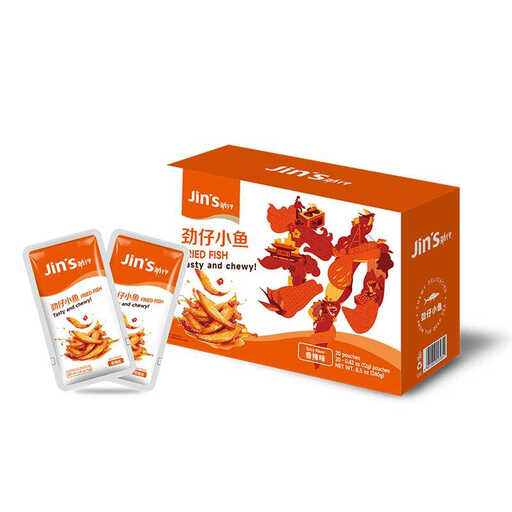
Why this product suits this profile: Twenty individual 12-gram sachets are ideal for lunchboxes, the office or a small portion with rice and a drink. The spicy seasoning is suited to those who enjoy a distinct chilli flavour.
The pack size and 69 per cent anchovy content are clearly stated. Nutritional information and allergens are also provided in the product details.
240 grams total weight, 20 individual portions and, according to the product information, 28.5 grams of protein per 100 grams.
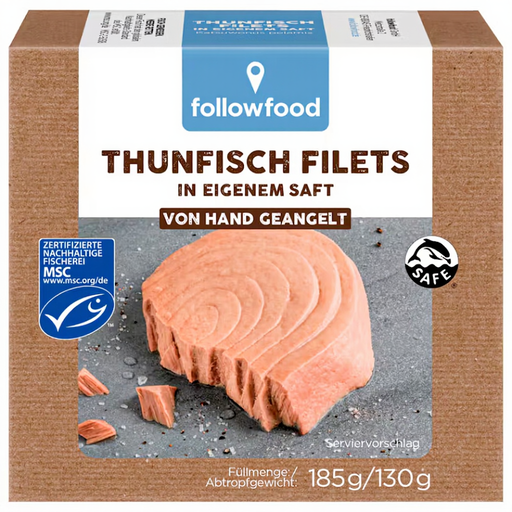
Why this product suits this profile: The simple recipe of tuna, water and sea salt is ideal for shoppers who prefer fewer ingredients and versatile use in salads, pasta or on bread.
The pack specifies the fish type, ingredients, drained weight and storage instructions after opening. According to the product information, the tuna is MSC-certified.
According to the product information, 27 grams of protein and 0.62 grams of salt per 100 grams; packed in its own juices and ready to use.
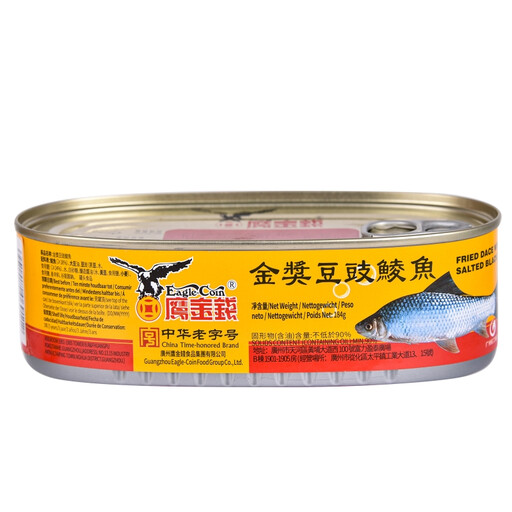
Why this product suits this profile: This Cantonese fish tin can be served with rice, congee or noodles and can also be added to vegetable dishes.
The tin states that it contains at least 38 per cent fish, 24 per cent fermented black beans and specifies the solid content.
184 grams of contents, storage at room temperature before opening and versatile use as a side dish or cooking ingredient.
We have put together a complete, regularly updated list of products that fully meet these strict selection criteria and the safety regulations applicable in the EU.
Many products are ready to eat according to the product information and can be eaten straight from the sachet or tin. Tinned mackerel or dace can also be heated. For opened products, always follow the storage and consumption instructions on the packaging.
The best-before date applies to the unopened original packaging and is shown on the relevant product. Individual portions and tins should be stored in a dry place at a suitable room temperature. Once opened, fish products should be refrigerated and consumed within the stated timeframe.
This depends on the heat level, salt content, ingredients and texture. Very strongly seasoned products may not be suitable for children. Also check for information about fish bones, allergens such as fish, soya or wheat, and the portion size. Small individual portions are easier to divide between family members, but they do not replace checking the ingredients list for yourself.