
Lieferung heute & morgen

Qualitätsgarantie

Willkommens-Angebote freischalten: KOSTENLOSE Lieferung | Bis zu 80 % RABATT | Kostenlose 30-Tage-JoyPlus-Testphase
App herunterladen
Asian fish snacks combine crisp textures, savoury marinades and intense umami notes. However, the range includes very different types of product: from baked fish crackers and chewy squid strips to marinated anchovy snacks. If you only look at the packaging or terms such as “Seafood” and “Fish”, it is easy to buy a product that does not suit your taste or intended use.
Some snacks are simply made in the shape of a fish. For example, the listed ingredients in Orion-Haitai crackers consist mainly of potato flour, starch, palm oil, sugar, salt, flavourings and sweeteners. Fish is not listed among the ingredients. The shape and product name alone therefore reveal little about the actual fish content.
If you are looking for a genuine dried fish snack or a higher-protein fish snack, check the ingredients list and nutritional information. Terms such as “Seafood Flavour” may also indicate a flavoured recipe rather than a high proportion of fish or squid.
A spicy fish snack may contain chilli, chilli extract or spicy sauces. Bento Angryspicy and Bento Sweet & Spicy, for example, list chilli sauce, chilli powder and capsicum among their ingredients. At the same time, the nutritional information for the Sweet & Spicy product shows 4.8 g of salt per 100 g. According to the product information, the small 20-g pack contains 0.96 g of salt.
It is also worth checking the details of products described as mild. Taro Fish Snack Original Flavour lists 6.7 g of salt per 100 g, while Hot Chilli Fish Snack contains 2.6 g of salt per 100 g. These differences are more important when choosing a product than eye-catching packaging.
20-g bags are ideal for taking to work, travelling or adding to a snack box. If you eat them regularly, however, a pack containing several individual portions may be more practical. Jin Zai Deep Sea Fish Mixed Flavor, for example, contains 96 g in 12 individual packs of 8 g each. Once opened, this reduces exposure to air and makes portion control easier.
First, consider which texture you prefer:
Taro Fish Snack Original Flavour states a fish content of 67.4%. Taro BBQ Fish Snack and Hot Chilli Fish Snack each list 80% fish. Depending on the variety, Jin Zai Deep Sea Fish Mixed Flavor contains at least 69% anchovies. Percentage figures like these make comparisons easier.
For a fair comparison, nutritional values should always be converted to the same reference amount. Important figures include:
A high protein content does not automatically make a product a complete meal. These figures are primarily useful for objectively comparing different snacks by portion size and recipe.
Asian snacks may contain fish, molluscs, crustaceans, wheat, soya, milk, peanuts, egg and sulphites. Bento Sweet & Spicy lists fish, squid, wheat, crustaceans and peanuts, among other ingredients. Taro Original contains fish, egg, sulphites, gluten and soya. The labelling on the packaging supplied with your order is the definitive source of information and should be checked carefully, particularly if you have allergies.
Many products should be stored unopened in a cool, dry place away from direct sunlight. Softer fish snacks that have been opened should, according to the manufacturer’s instructions, ideally be eaten straight away or sealed in an airtight container. This helps preserve the intended texture.
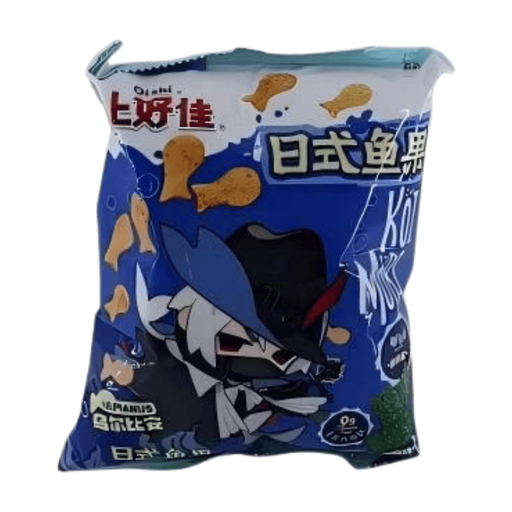
Why this product suits the profile: The 50-g pack offers an accessible introduction to crisp, Japanese-inspired snacks with seaweed flavour, ideal for the office, a film night or enjoying on the go.
The ingredients list names wheat flour as the main ingredient and clearly identifies the seaweed flavour through the seasoning. It does not claim to contain a high proportion of fish.
Crisp texture, 50-g pack and 1.44 g of salt per 100 g according to the product information.
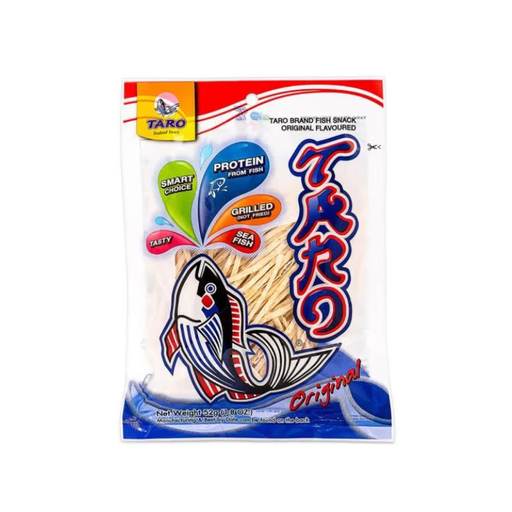
Why this product suits the profile: The recipe contains 67.4% fish meat, making it suitable for shoppers who place more importance on actual fish content than simply on a fish-shaped snack.
The fish content is quantified in the ingredients list, making it easier to distinguish this product from flavoured fish crackers.
28 g of protein and less than 0.5 g of fat per 100 g according to the nutritional information; it does, however, contain 6.7 g of salt per 100 g.
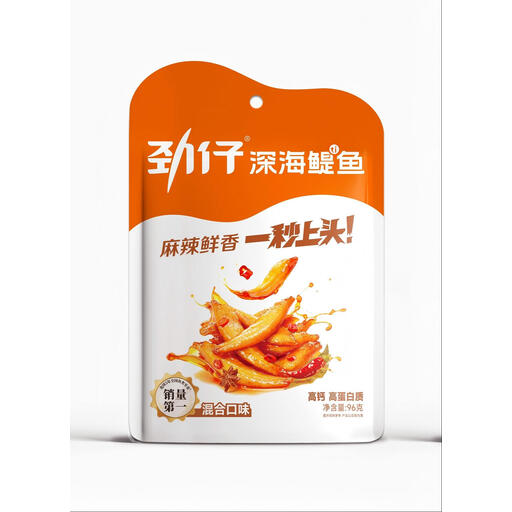
Why this product suits the profile: Twelve individual portions in three flavours are ideal for lunchboxes, snack boxes, travel and sharing at social gatherings.
The pack is not simply large; it is divided into 12 bags, so you do not have to open the entire quantity at once.
Three varieties, 96 g total and between 27.6 and 30.4 g of protein per 100 g, depending on the flavour, according to the product data.
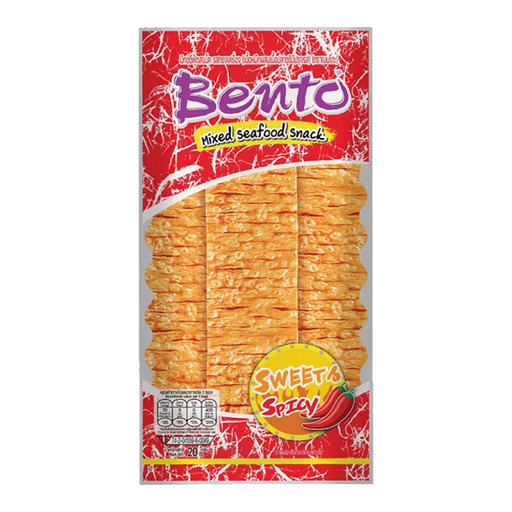
Why this product suits the profile: The small pack combines squid, surimi and sweet and spicy seasoning for fans of Thai snacks with a chewy texture.
The fish and squid content, along with the sources of heat, are clearly listed in the ingredients.
26 g of protein per 100 g, 5.2 g per 20-g portion and a portable individual pack according to the product information.
We have put together a complete, regularly updated list of products that fully meet these strict selection criteria and the safety regulations applicable in the EU.
No. Some products contain fish, surimi, squid or anchovies; others are crisp flour- or potato-based snacks shaped like fish and seasoned with fish flavouring. The ingredients list provides information about the type of fish and the percentage used.
This depends on the type of product and the information on the packaging. Dry crackers generally stay crisp for longer when stored in a dry place. Marinated or chewy products should ideally be eaten straight after opening or stored tightly sealed. The instructions on the relevant packaging are the definitive guide.
Small individual packs such as Bento at 20 g, or portioned products such as Jin Zai Mixed Flavor with 12 individual bags, are convenient for eating on the go. If you have allergies, are watching your salt intake or prefer a particular level of heat, check the current ingredients and nutritional information before buying.