
Lieferung heute & morgen

Qualitätsgarantie

Willkommens-Angebote freischalten: KOSTENLOSE Lieferung | Bis zu 80 % RABATT | Kostenlose 30-Tage-JoyPlus-Testphase
App herunterladen
Anyone aiming to create authentic Asian dishes like dumplings, bao buns, or chewy desserts often faces a common challenge: choosing the right flour. A recipe's success hinges on this core ingredient. Grabbing the wrong bag off the shelf can lead to dough that tears, fillings that leak, or a texture that just doesn't meet expectations. This guide will help you navigate the most common pitfalls and find the right Asian flours and starches for your culinary projects.
Many home cooks invest time and effort into their cooking, only to be disappointed by the final texture or appearance of the dish. The cause often lies in one of these three misconceptions:
To avoid disappointment, you should pay attention to two or three key characteristics before buying. These will largely determine the success or failure of your recipe.
The protein content in wheat flour determines gluten development, which in turn dictates the dough's elasticity and chewiness.
Starch isn't just for thickening. The source of the starch has a huge impact on the texture and appearance of the final product.
Here are some product recommendations tailored to specific needs, helping you to avoid the pitfalls mentioned above.
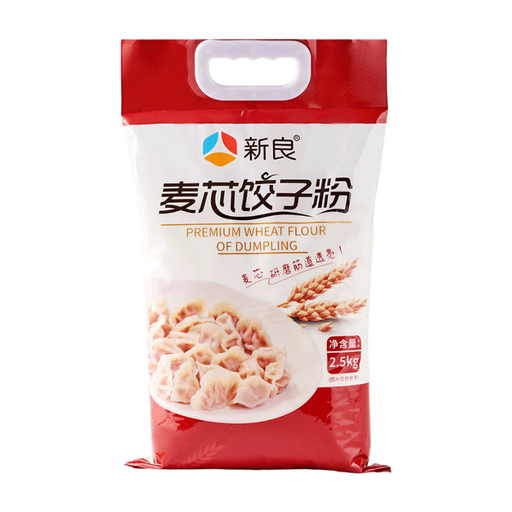
Why This Fits Their Persona: Ideal for anyone making authentic jiaozi or wontons for the first time. This flour is specifically designed for making dumplings, which makes rolling and shaping easier.
It prevents the main problem of using standard flour: tearing wrappers. The optimised protein content of 11.0g ensures a dough that is elastic but not tough, securely enclosing the filling.
Specially milled from the wheat core for a smooth, pliable dough. The large pack is convenient for multiple cooking sessions.
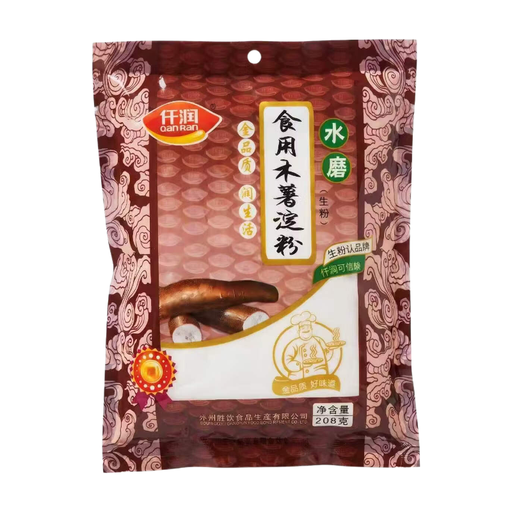
Why This Fits Their Persona: For lovers of Asian desserts who want to achieve the characteristic chewy "QQ" texture of taro balls, mochi, or homemade bubble tea pearls.
It solves the problem of choosing the wrong starch. Neither potato nor cornstarch can create the unique, elastic texture required for these types of desserts. This product delivers exactly the right result.
Pure tapioca starch with no additives. It is gluten-free and versatile for use in desserts, as a thickener, or as part of gluten-free baking mixes.
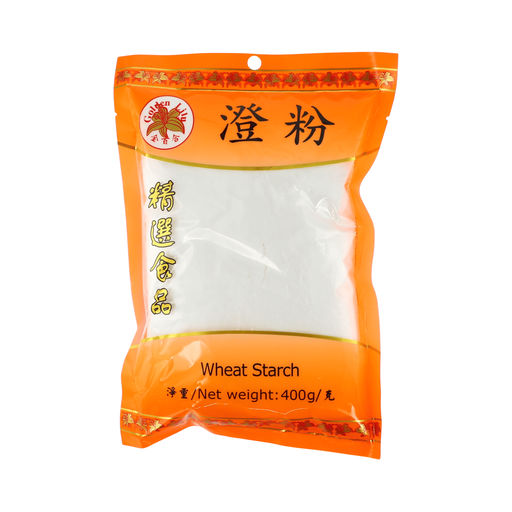
Why This Fits Their Persona: For ambitious cooks tackling the masterclass of dim sum: har gow (crystal shrimp dumplings). This product is the essential ingredient for the iconic, translucent wrapper.
It clears up the critical confusion between wheat flour and wheat starch. Using regular flour would result in an opaque, bread-like dough. Only pure wheat starch makes the desired transparency possible.
Pure wheat starch, specially processed for making transparent doughs. It is neutral in flavour and does not affect the filling.
We've compiled a complete, up-to-date list of products that fully meet these strict selection criteria.
1. Can I use standard all-purpose flour for dumplings?
It's not recommended. All-purpose flour typically has a lower protein content and a different milling grade. This can cause the dough to tear during cooking or develop a tough texture instead of a tender, elastic one. For authentic results, a dedicated dumpling flour is the more reliable choice.
2. What is the difference between potato starch and wheat starch?
Potato starch is mainly used for thickening sauces and soups, creating a clear, glossy consistency. Wheat starch, on the other hand, is the starch powder extracted from wheat (with the gluten removed) and is primarily needed to make transparent wrappers for dim sum like har gow. They are fundamentally different Chinese cooking ingredients for different purposes.
3. How should I store Asian flours and starches properly?
Store all flours and starches in a cool, dry, and dark place. After opening, it is advisable to transfer them to an airtight container. This protects against moisture, which can cause clumping, and keeps pests away, thereby preserving the product's freshness.