
Lieferung heute & morgen

Qualitätsgarantie

Willkommens-Angebote freischalten: KOSTENLOSE Lieferung | Bis zu 80 % RABATT | Kostenlose 30-Tage-JoyPlus-Testphase
App herunterladen
Anyone who wants to cook authentic Asian dishes at home often faces a challenge: the essential ingredients are rarely available in local supermarkets. While buying Asian food online opens up a world of possibilities, it also has its pitfalls. Many home cooks invest in products that don't meet their flavour expectations. Before you fill your shopping cart, you should be aware of three common problems:
To avoid making the wrong purchases, it helps to understand a few core parameters that determine the quality and authenticity of Asian cooking ingredients.
Many Asian seasoning pastes, especially bean pastes, derive their deep umami flavour from a fermentation process that lasts for months. A key example is Doubanjiang, the fermented broad bean paste known as the "soul of Sichuan cuisine."
When you buy Doubanjiang, look for the designation "Pixian." This is a protected geographical indication, similar to Parmesan or Champagne. It guarantees that the paste was produced in the Pixian region of Sichuan using traditional methods. These pastes have a deep red colour, a salty-spicy aroma, and a complex, earthy note that a generic bean paste cannot offer.
In Chinese cuisine, especially from Sichuan, not all spiciness is the same. It's important to distinguish between two concepts:
A true Mala sauce or a Sichuan pepper sauce must therefore contain Sichuan pepper. Black pepper is not a substitute, as it lacks the numbing component. Look for terms like "Sichuan Peppercorn" or "Zanthoxylum piperitum" in the ingredient list.
A careful review of the ingredient list reveals a lot about the quality. For products like Lao Gan Ma chili oil, the visible ingredients—such as crispy chillies, fermented soybeans, or peanuts—are a sign of its texture and flavour. With Chinese cooking ingredients like soy sauces, the mention of "traditionally brewed" or the use of non-GMO soybeans can indicate a more meticulous manufacturing process. Those who want to avoid additives can now also find products with a "0% Additives" label.
Here are some product recommendations tailored to specific user profiles and the quality criteria mentioned above.

Why This Fits Their Persona: This is the foundational ingredient for countless Sichuan dishes like Mapo Tofu or hot pot broths. For anyone wanting to learn authentic Sichuan cooking, this paste is the ideal and indispensable starting point.
This product is a specific Pixian Doubanjiang, not a generic bean paste. This helps you avoid the trap of buying an unsuitable ingredient that won't give your dish the necessary depth of flavour.
Made with traditional fermentation techniques, it delivers the fundamental salty and spicy base for authentic Sichuan dishes.
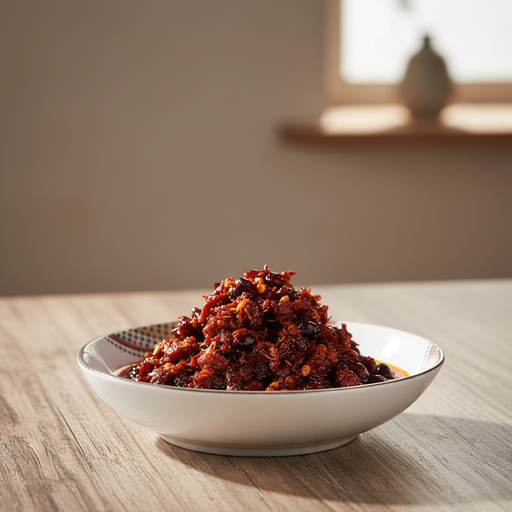
Why This Fits Their Persona: For those seeking more than just heat. This chili oil offers a multi-layered flavour experience with spicy chili, crispy pork, and savoury fermented black beans. It's an all-purpose condiment that elevates noodles, rice, or steamed vegetables.
This product avoids the "authenticity" trap by delivering a genuine, complex flavour profile not found in Western supermarkets. The visible ingredients guarantee texture and depth.
A combination of heat, umami, and texture. Extremely versatile as a topping, dip, or cooking ingredient.
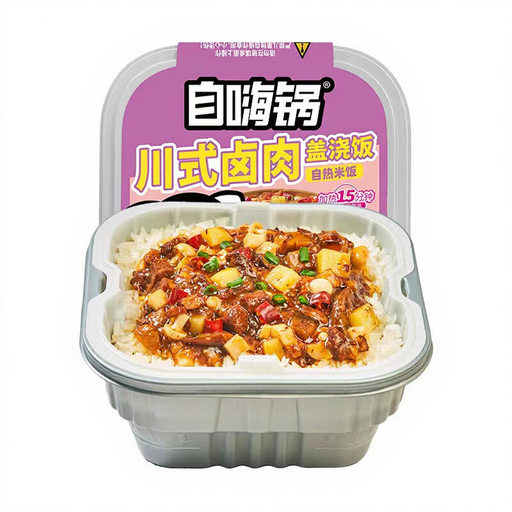
Why This Fits Their Persona: Ideal for an office lunch, while travelling, or whenever you're short on time. This **instant Asian meal** requires no external heat source and provides a warm, flavourful meal with an authentic Sichuan taste.
Unlike many bland instant meals from the supermarket that often taste only sweet or salty, this product offers a balanced, savoury flavour profile reminiscent of a home-cooked meal.
The integrated heating pack warms the meal in minutes using only water. It's a complete meal with rice and a topping in one bowl.
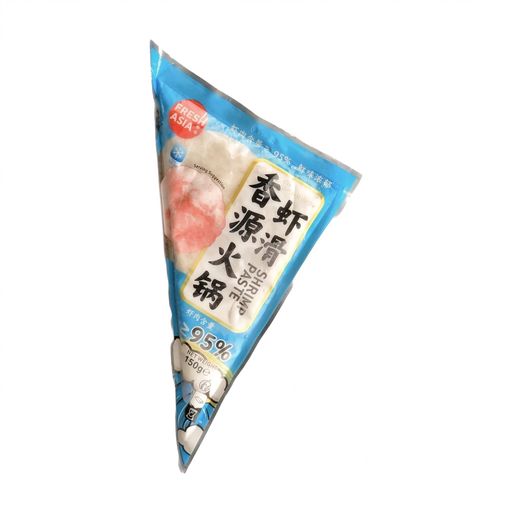
Why This Fits Their Persona: For anyone who wants to create an authentic hot pot experience at home. This shrimp paste is one of the most popular **hot pot ingredients** and provides a tender, springy texture and a rich flavour in the broth.
Instead of relying on generic, frozen seafood, this product offers a paste specifically developed for hot pot. The high shrimp content of 95% ensures an unadulterated taste.
High shrimp content (95%) for authentic flavour and texture. Convenient single-serving packaging for easy portioning and hygiene.
We have compiled a complete, up-to-date list of products that fully meet these strict selection criteria and German regulations.
1. What is the difference between Chinese Doubanjiang and Korean Gochujang? Although both are fermented pastes, they are fundamentally different. Doubanjiang is made from broad beans, salt, and chillies, and has a salty, earthy, and spicy flavour. Gochujang is based on glutinous rice, fermented soybeans, and chilli powder, which gives it a distinctly sweeter, slightly smoky, and less salty taste. They are generally not interchangeable.
2. How do I properly store opened Asian seasoning pastes? Most fermented pastes and chili oils have a long shelf life due to their high salt or oil content. However, once opened, they should be stored tightly sealed in the refrigerator. Always use a clean spoon to avoid cross-contamination. This will keep them fresh for months.
3. Can I substitute Sichuan pepper with black pepper? No, this is not recommended if you are aiming for an authentic málà experience. Black pepper provides a peppery heat (piperine), while Sichuan pepper creates the characteristic numbing, tingling sensation (hydroxy-alpha-sanshool). Substituting it would eliminate the most important sensory component of a Sichuan dish.