
Lieferung heute & morgen

Qualitätsgarantie

Willkommens-Angebote freischalten: KOSTENLOSE Lieferung | Bis zu 80 % RABATT | Kostenlose 30-Tage-JoyPlus-Testphase
App herunterladen
Anyone looking to buy Asian frozen food online will find a wide range of gyoza, dim sum, fish, seafood, meat, snacks and pastry products. However, product names alone reveal little about whether an item suits your household, planned preparation method or available freezer space. Checking the storage requirements, ingredients and preparation method can help you avoid unsuitable purchases.
Terms such as “Japanese”, “Korean” or “Asian speciality” often describe a product’s style, but they do not automatically indicate its country of manufacture or recipe. When buying frozen products from Asia, you should therefore check the origin, ingredients list and responsible business. For example, a product prepared in the Japanese style may have been manufactured or packed in Europe.
With fish, meat and seafood, 750-g or 1-kg packs may initially seem attractive in terms of price. However, what matters is whether the product can be removed in portions. IQF products, meaning individually quick-frozen pieces, make portioning easier. With a frozen block of Asian food, on the other hand, you may have to defrost more than you need at once.
Not every product should be defrosted before preparation. Gyoza, such as bibigo Beef Bulgogi Gyoza, are cooked directly from frozen according to the product information. Raw meat and fish, however, should generally be defrosted in the fridge. Storage is usually intended at a temperature of –18 °C or below. Once defrosted, a product must not be refrozen unless the packaging states otherwise.
First, check whether the item is a raw, pre-cooked or ready-to-eat product. Surimi sticks, for example, are pre-cooked and can be used cold after defrosting. Ebi Fry, meatballs and pastry products, on the other hand, require thorough heating.
Allergen labelling is particularly important. Asian specialities commonly ordered online often contain ingredients such as wheat, soya, sesame, fish, crustaceans or egg. Even products without obvious pieces of fish or meat may contain flavourings or seasoning sauces with relevant allergens.
For private households, 300 to 500 g is often easier to plan. Catering businesses or frequent users may benefit from 750-g and 1-kg packs. Also check whether the product can be removed individually and how it should be packaged after opening.
Examples from the range:
The instructions vary considerably. Some products are suitable for a frying pan, oven or air fryer, while others require steaming or deep-frying. The stated times are guidelines, and the performance of your particular appliance may vary. Raw poultry, meat and fish in particular must be cooked all the way through.
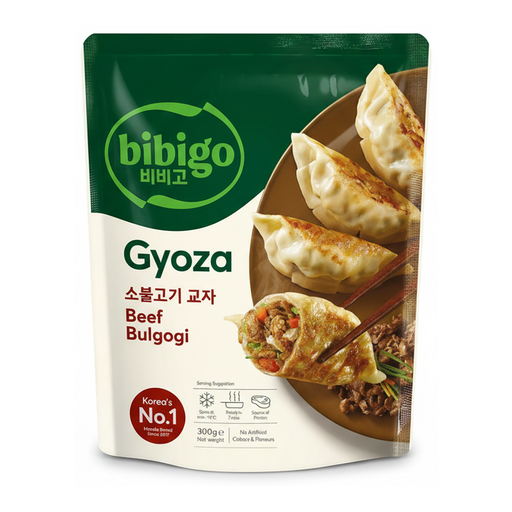
Why this product suits this profile: The 300-g pack is ideal for smaller households and a quick, uncomplicated meal. According to the product information, the gyoza are cooked from frozen in a frying pan or deep fryer.
The pack size reduces the risk of defrosting more food than you need. The instructions explicitly state that the product should be prepared from frozen.
19% beef in the filling, 30% vegetables and clear frying-pan instructions for 7 to 8 dumplings.
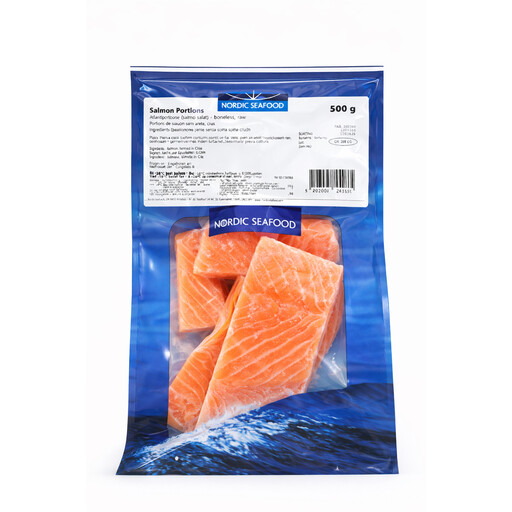
Why this product suits this profile: According to the product information, this item consists of 100% salmon fillet with no added ingredients and can be incorporated into a range of Korean and Japanese dishes.
The ingredients list is short and clear. Storage and defrosting instructions are provided, and the fish should be used promptly after defrosting.
500 g salmon fillet, 0 g carbohydrates per 100 g according to the product information, and a clearly declared fish allergen.
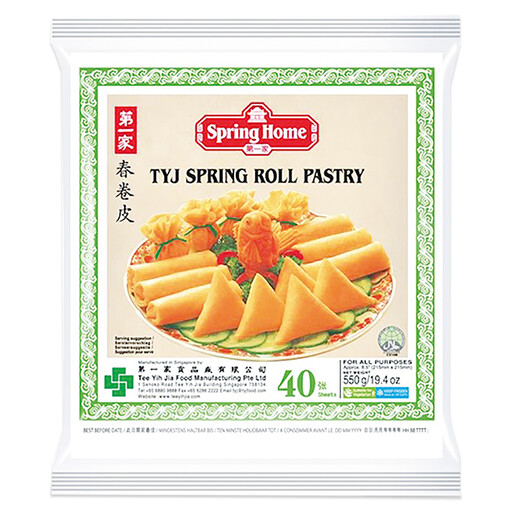
Why this product suits this profile: With 40 pastry sheets, this pack is suitable for homemade spring rolls, pangsit, samosas or börek, including larger cooking sessions and catering applications.
The number of sheets is clearly stated. This makes it easier to work out how much you need before buying, rather than having to reorder a small pack several times.
550 g contents, 40 sheets, storage below –18 °C and versatile use for filled pastry products.
Where possible, order frozen food so that someone can take delivery straight away and transfer it quickly to a sufficiently cold freezer compartment. Check the packaging for damage when it arrives and make sure the food is still completely frozen. For private households, it is worth using a shopping list that groups products with similar preparation methods.
When ordering Asian specialities online, you should also take delivery conditions, minimum order values and any delivery charges into account. A low individual price can be offset by an additional delivery. For catering businesses, pack size, regular availability and consistent product information are particularly important.
The range extends from Ebi Fry, beef meatballs and dim sum to paratha, surimi, Vannamei prawns and Korean snacks. If you want to compare products by category, pack size or preparation method, you can browse the range of frozen Asian food directly.
We have put together a complete, regularly updated list of products that fully meet these strict selection criteria and the safety regulations applicable in the EU.
The specific best-before date is shown on the packaging. If stored continuously at –18 °C or below, the product is intended to remain suitable for consumption until this date. Once defrosted, shorter use-by periods apply.
Not necessarily. According to the product information, bibigo Beef Bulgogi Gyoza should be prepared from frozen. Other dumplings may have different instructions. Always follow the information on the relevant packaging.
Raw products should be defrosted in the fridge and then cooked thoroughly. For fish and prawns, follow the product-specific temperature and time instructions. Defrosted meat or seafood should not be refrozen unless this is expressly permitted.