
Lieferung heute & morgen

Qualitätsgarantie

Willkommens-Angebote freischalten: KOSTENLOSE Lieferung | Bis zu 80 % RABATT | Kostenlose 30-Tage-JoyPlus-Testphase
App herunterladen
Asian fruit jelly has evolved from a niche product into a mainstream staple in the snack world. Whether as a refreshing drinkable jelly on a warm day, a low-calorie snack between meals, or a colourful treat in a lunchbox, the variety is immense. But with a growing selection comes uncertainty. Not every product lives up to the promise of its vibrant packaging. Before you buy, you should be aware of a few common pitfalls to make an informed decision.
To find the perfect Asian fruit jelly for your taste, it helps to understand three core characteristics. These are the primary determinants of texture, flavour, and suitability for different occasions.
The gelling agent used is crucial for the mouthfeel. Unlike many European sweets that often use gelatine, Asian jellies frequently rely on plant-based alternatives.
An authentic fruit flavour is directly linked to the fruit content. Look for terms like "fruit juice concentrate" or "fruit purée" in the ingredients list and check their percentage. A higher percentage usually indicates a more natural taste. Conversely, if "flavourings" are high on the list without any significant fruit content declared, the taste is primarily artificial.
The packaging often gives a clue about the consistency and the ideal occasion for consumption.
Here are some recommendations tailored to different taste profiles and needs.
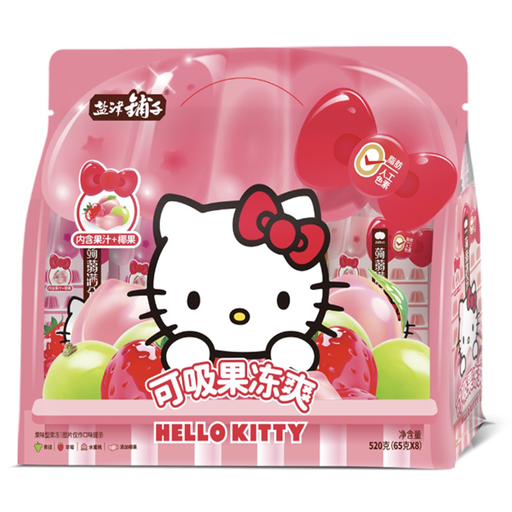
Why This Fits Their Persona: Ideal for anyone who follows new trends on social media and enjoys unique packaging. The Hello Kitty design makes it an eye-catcher, while the drinkable format is perfect for easy, on-the-go enjoyment.
The product name "Sippable Jelly" and the addition of nata de coco (2%) set a clear expectation for a liquid consistency with chewy pieces, thus avoiding the "unexpected texture" pitfall.
A combination of three different fruit flavours (peach, strawberry, green grape) in one pack. Contains real fruit juice and konjac powder.
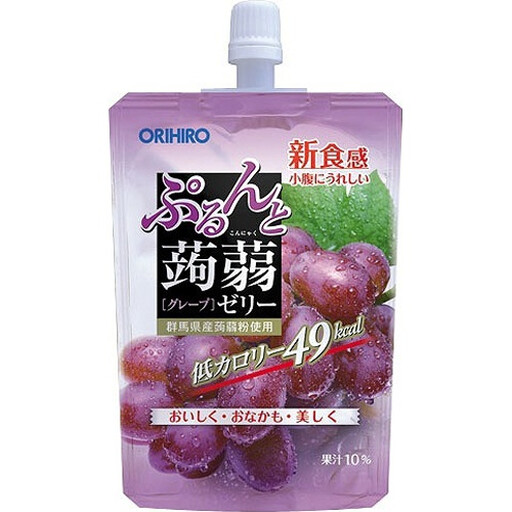
Why This Fits Their Persona: Perfect for anyone looking for a light snack without the guilt. This Japanese konjac jelly is a well-known option for a low-calorie diet, yet it provides a full, satisfying feeling.
This product bypasses the "hidden sugar" pitfall, as it is explicitly labelled as low-calorie with only 36 kcal per 100g. The main ingredient, konjac powder, ensures the expected firm texture.
Very low in calories. Made with real fruit juice (grape and apple). The convenient squeeze pouch makes it an ideal on-the-go snack.
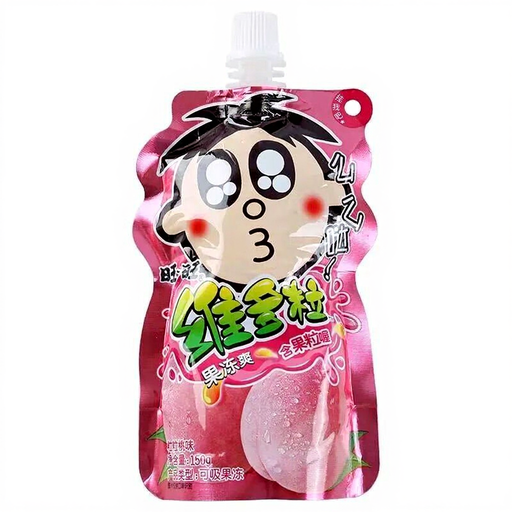
Why This Fits Their Persona: For those who find a simple jelly isn't enough. This product from Want Want combines a soft, drinkable jelly with firm nata de coco pieces, offering a varied chewing experience with every sip.
The product description explicitly highlights the "nata de coco pieces" and "chewy fruit pulp." This ensures the buyer knows exactly what they're getting: a product with multiple textures.
Offers a complex mouthfeel by combining jelly and solid pieces. Enriched with concentrated peach juice for a fruity taste. Fat-free.
We've compiled a complete, up-to-date list of products that fully meet these selection criteria and comply with current regulations.
The main difference lies in the gelling agent and the resulting texture. Konjac jelly is made from konjac flour, which gives it a very firm, elastic, and chewy consistency. It is also often very low in calories. Conventional fruit jelly, as known in the West, is often based on gelatine or pectin and has a softer, more melt-in-your-mouth texture. Asian fruit jellies also frequently use other plant-based gelling agents like carrageenan, which create a texture somewhere between these two extremes.
Suitability for children depends on the specific product. Many jellies, especially those in squeezable pouches, are very popular with kids. However, caution is advised:
Most drinkable jellies are intended for immediate consumption after opening. If you do need to store leftovers, it's best to reseal the pouch tightly (if possible) and place it in the refrigerator immediately. Consume the rest promptly, ideally on the same day, to maintain its freshness and quality.