
Lieferung heute & morgen

Qualitätsgarantie

Willkommens-Angebote freischalten: KOSTENLOSE Lieferung | Bis zu 80 % RABATT | Kostenlose 30-Tage-JoyPlus-Testphase
App herunterladen
As a Joybuy Product Recommendation Officer, I see every day just how vast the selection of Asian green tea has become. But with variety comes uncertainty. Many products over-promise and under-deliver, leading to disappointment in flavour or a shock when you read the ingredients list. This guide will help you navigate the common pitfalls and make an informed decision that suits your needs.
Before you make a choice, it helps to know the three most common issues that can lead to a bad purchase:
To avoid these pitfalls, focus on three objective criteria. These will help you separate the wheat from the chaff.
The form the tea comes in directly impacts its flavour, preparation effort, and use case.
Not all green tea tastes the same. The origin and processing method are key in determining the flavour profile.
This is especially crucial for ready-to-drink beverages. A short ingredients list is often a good sign. Ideally, an unsweetened green iced tea should consist only of water, green tea extract, and perhaps an antioxidant like ascorbic acid (Vitamin C). For sweetened versions, you should check the sugar content per 100 ml. Values below 5g per 100 ml are considered low in sugar.
Here are some recommendations tailored to different needs and preferences.
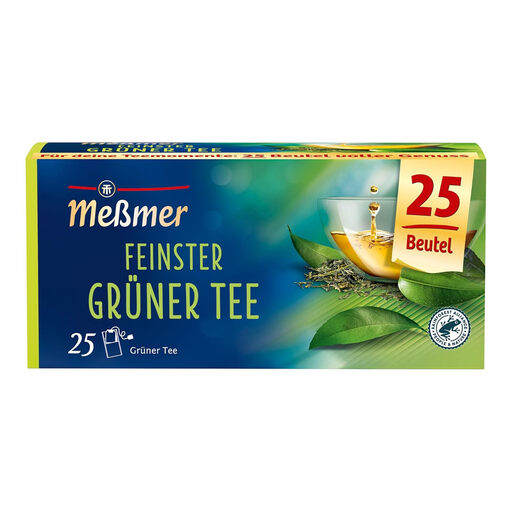
Why This Fits Their Persona: Ideal for anyone seeking straightforward green tea enjoyment without the fuss. These tea bags from a well-known German brand offer reliable quality and a mild, slightly tart flavour that is very approachable for beginners.
This product avoids the hype around exotic ceremonies. It is clearly positioned as a classic green tea. The brewing instructions (let water cool briefly) help prevent bitterness.
High convenience thanks to tea bags; consistent quality and flavour profile; widely available and offers great value for money.
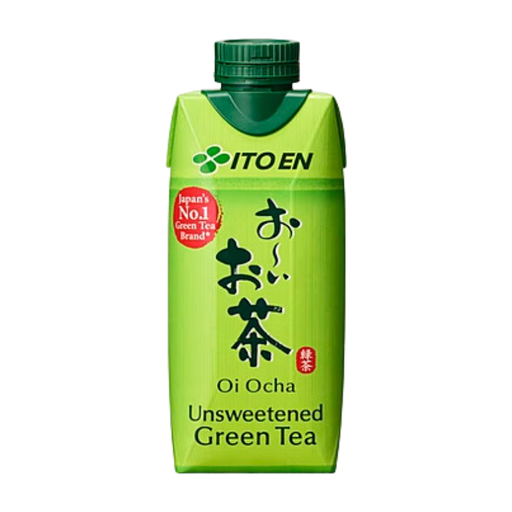
Why This Fits Their Persona: For anyone looking for an authentic, refreshing, and sugar-free option for the office or on the move. This beverage from ITO EN Oi Ocha, a leading brand from Japan, delivers pure green tea flavour without compromise.
This product is the direct answer to the sugar trap. With 0g of sugar and 0 calories, it delivers pure green tea enjoyment. The ingredients list is minimalist and transparent.
Authentic, unsweetened taste; no calories or sugar; extremely convenient for a health-conscious lifestyle.
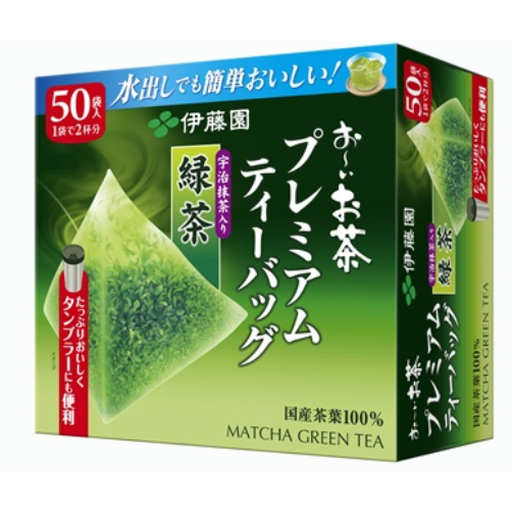
Why This Fits Their Persona: For tea drinkers who want to go a step beyond standard green tea. These tea bags combine classic Japanese green tea with matcha, resulting in a more intense colour and a fuller, richer flavour with umami notes.
Instead of vaguely advertising with "premium," the manufacturer ITO EN clearly states that this is a blend of green tea (95%) and matcha (5%). This sets clear expectations and delivers an authentic flavour experience.
Combines the freshness of Sencha with the depth of matcha; an authentic product from a leading Japanese manufacturer; convenient tea bag format.
We have compiled a complete, real-time list of products that fully satisfy these strict selection criteria and UK safety regulations.
The most common mistake is using water that is too hot. For most Japanese and Chinese green teas, a water temperature of 70–80°C is ideal. Bring the water to a boil and then let it cool for about 2–3 minutes before pouring it over the tea leaves or tea bag. The steeping time should be short; 1–3 minutes is often sufficient.
Sencha is the most commonly consumed tea in Japan. It consists of whole tea leaves that are steamed, rolled, and dried. You infuse the leaves in hot water and then remove them after steeping. Matcha, on the other hand, is a finely ground powder made from tea leaves that were shade-grown before harvest. You whisk the powder directly into the water, thereby consuming the entire leaf. This results in a more intense flavour and a creamier texture.
The easiest way is to look at the nutrition label. Look for products labelled as "unsweetened" or "no added sugar." A high-quality sugar-free green tea should have 0g of sugar and close to 0 calories per 100 ml. The ingredients list should be short: water and green tea extract are the main components.