
Lieferung heute & morgen

Qualitätsgarantie

Willkommens-Angebote freischalten: KOSTENLOSE Lieferung | Bis zu 80 % RABATT | Kostenlose 30-Tage-JoyPlus-Testphase
App herunterladen
The popularity of Asian cuisine shows no signs of slowing down. More and more home cooks want to prepare dishes like ramen, sushi, or Korean BBQ in their own kitchens. However, the search for the right ingredients can quickly become overwhelming. Shelves are filled with products whose labels often promise more than they deliver. This guide will help you avoid common purchasing pitfalls and select authentic Asian groceries for your kitchen.
Before you fill your shopping cart, it's helpful to know the most common issues that can lead to disappointing culinary results or unnecessary expenses.
To avoid these pitfalls, focus on a few objective criteria. These will help you better assess the quality and suitability of a product.
Sauces define the character of many Asian dishes. A good Yakiniku sauce, for example, used for Japanese BBQ, is distinguished by a balanced blend of soy sauce, mirin, sake, and often fruit purées like apple or pear. It is typically thicker than a simple teriyaki sauce and serves as both a marinade and a dipping sauce.
With the popular Kewpie Sesame Dressing, the type of sesame is crucial. Look for terms like "deep-roasted sesame". This indicates an intense, nutty aroma that clearly stands out from dressings based primarily on sugar and vinegar. The use of tamari soy sauce instead of conventional soy sauce can also be an indicator of a deeper umami flavour.
For nori sheets for sushi or kimbap, colour and texture are decisive. High-quality sheets have a dark, almost black colour and a slight sheen. They should be robust enough not to tear when rolling, yet still tender to the bite. Sheets labelled as "roasted" (yaki) generally offer the best flavour for sushi.
There are also quality differences in instant ramen and Korean noodles. A sign of better texture is air-dried or non-fried noodles. Furthermore, multiple separate seasoning packets (e.g., a seasoning paste, an aromatic oil, and dried vegetables) indicate a more complex flavour profile than a single sachet of powder.
Here are some product suggestions tailored to specific needs and use cases that meet the quality criteria mentioned above.
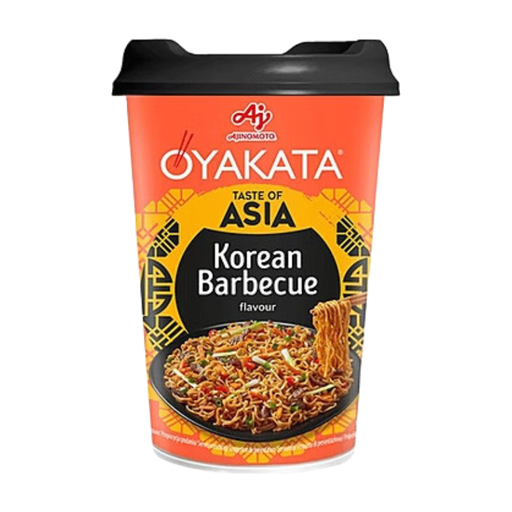
Why This Fits Their Persona: Ideal for professionals, students, or anyone looking for a quick yet flavourful meal. These Korean noodles offer a convenient solution for lunch at the office or a fast dinner.
Avoids the one-dimensional instant flavour trap by including a liquid seasoning sauce based on soy sauce and sesame oil instead of a simple powder, ensuring a richer aroma.
Ready in minutes directly in the cup; the sauce delivers an authentic, sweet-and-savoury Korean BBQ profile.
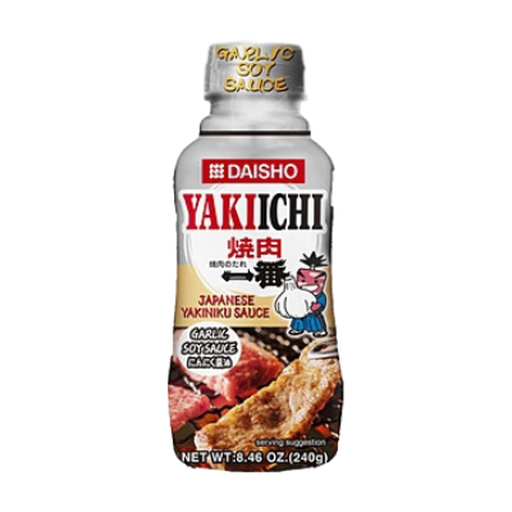
Why This Fits Their Persona: For home cooks who want to create a genuine Japanese barbecue (Yakiniku) experience at home and are looking for a sauce with a deep, complex flavour profile.
Avoids the generic, sweet "Asian sauce" trap by combining soy sauce, miso, apple purée, and a distinct garlic flavour. This creates an authentic umami experience.
Versatile as a marinade, dip, or glaze for grilled meat. The addition of roasted sesame and sesame oil provides extra depth of flavour.
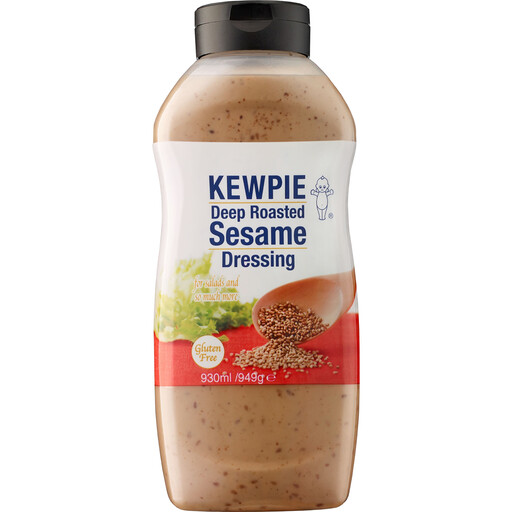
Why This Fits Their Persona: Perfect for foodies and health-conscious eaters who want to elevate their salads, poke bowls, or vegetable dips with a rich, nutty flavour that goes beyond a simple vinaigrette.
Bypasses the trap of an overly sweet dressing. The use of 5% deep-roasted sesame and tamari soy sauce provides a distinct nutty depth and an umami flavour instead of just sweetness.
Creamy consistency that clings well to salads and vegetables. The large 930 ml bottle offers great value for money for regular use.
We've compiled a complete, up-to-date list of products that fully meet these strict selection criteria.
1. What is the difference between Japanese and Korean Yakiniku sauce? Although both are used for grilled foods, they differ in their flavour profile. Japanese foods and sauces like Yakiniku are often based on soy sauce, mirin, and sake, creating a sweet-and-savoury note. Korean BBQ sauces (e.g., for Bulgogi) frequently include additional ingredients like gochujang (chilli paste), garlic, and grated fruit (e.g., pear), which gives them a spicier and fruitier component.
2. How can I identify high-quality nori sheets for sushi? Look for a uniform, dark, almost black colour without spots. The sheets should not have any holes when held up to the light. A slight sheen is also a good sign. For rolling sushi, it's important that the sheets are flexible and don't break immediately when bent.
3. How long do opened Asian seasoning sauces last? Most soy- or vinegar-based sauces can be kept in the refrigerator for several months after opening. Pastes like miso or gochujang often last even longer when refrigerated. It is advisable to check the manufacturer's instructions on the packaging. A simple indicator of freshness is the smell and appearance; any discolouration or unusual odour suggests the product should no longer be used.