
Lieferung heute & morgen

Qualitätsgarantie

Willkommens-Angebote freischalten: KOSTENLOSE Lieferung | Bis zu 80 % RABATT | Kostenlose 30-Tage-JoyPlus-Testphase
App herunterladen
Finding authentic Asian groceries can be a challenge, especially when your local supermarket offers only a limited selection. An online Asian grocery store seems like the solution, but the vast selection also has its pitfalls. Many home cooks invest in products that ultimately fail to deliver the desired flavour or are left unused in the pantry. This guide will help you avoid the most common mistakes and confidently select the right products for your kitchen.
To avoid disappointment, it is crucial to carefully examine product descriptions and ingredient lists. Here are three key areas that make the difference between a successful dish and a bland result.
The heart of many Asian dishes are fermented sauces and pastes. Their quality determines the depth of flavour.
Not all vinegars or wines are created equal. The right choice is crucial for the balance of a dish.
Oils can transform a dish, especially when used as a finishing oil.
To help you make your choice, we have compiled a few products based on different user profiles and the criteria mentioned above.

Why this product is a good fit: This paste is the foundation for many classic Sichuan dishes like Mapo Tofu or hot pot. As a beginner, you need a reliable ingredient that delivers the authentic flavour profile without compromise.
Addressing the pitfall of misleading labels: The Juancheng brand is an established producer of Pixian broad bean paste. The "Premium Grade" designation and traditional fermentation are reliable quality indicators here.
Delivers the essential savoury, spicy, and aromatic base for authentic Sichuan cuisine.
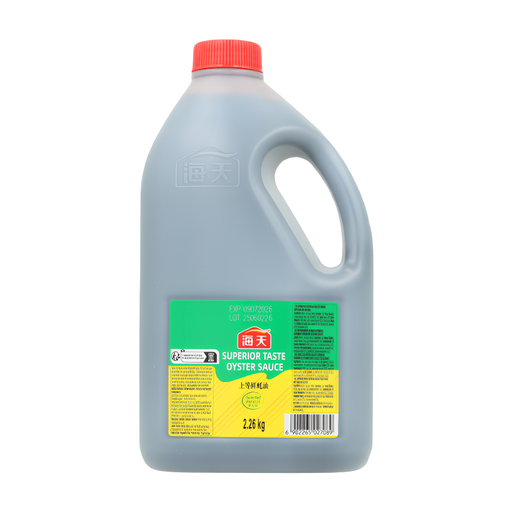
Why this product is a good fit: Those who cook Asian food regularly or run a small restaurant need basic ingredients in larger quantities. This bulk size offers excellent value for money for a versatile seasoning.
Addressing the pitfall of a lack of transparency: Haday clearly declares a content of 12% oyster extract. As one of the leading brands for seasonings in China, Haday stands for consistent and reliable quality.
The 2.26 kg bottle is ideal for frequent use and provides a rich umami flavour for stir-fries, marinades, and sauces.
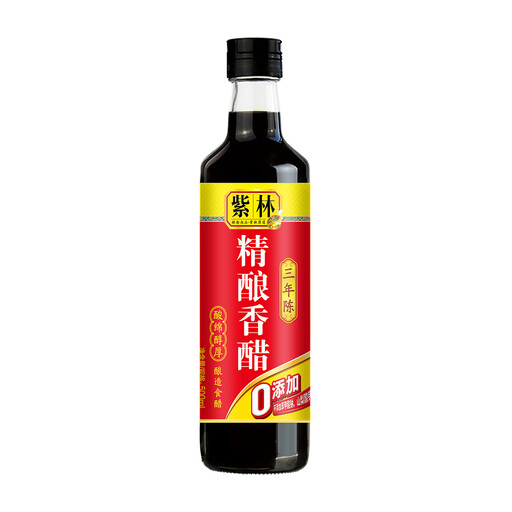
Why this product is a good fit: For cooks who appreciate the subtle differences. This vinegar is not just sour; its three-year ageing process makes it complex, mild, and aromatic. Ideal for sophisticated dipping sauces for jiaozi (dumplings) or as a finish for soups.
Addressing the pitfall of the "wrong product": Instead of a generic black vinegar, here you get a specific, 3-year-aged product. The traditional solid-state fermentation is a clear quality feature that guarantees a nuanced flavour profile.
Develops a complex, mild, and aromatic sweet-and-sour profile without the addition of preservatives like sodium benzoate or potassium sorbate.
We have compiled a complete, up-to-date list of products that fully meet these strict selection criteria and UK/EU regulations.
1. What is the difference between light and dark soy sauce? Light soy sauce (生抽, sheng chou) is thinner, saltier, and is primarily used to season dishes without significantly altering their colour. Dark soy sauce (老抽, lao chou) is thicker, less salty, but has a sweeter taste due to the addition of molasses. It is mainly used to give dishes like braises a deep, reddish-brown colour.
2. How do I properly store opened Asian sauces like oyster sauce or Doubanjiang? Most fermented sauces and pastes, especially oyster sauce and broad bean pastes like Doubanjiang, should be stored in the refrigerator after opening. This slows down the oxidation process and preserves the product's aroma and quality. Pay attention to the storage instructions on the label.
3. Which Chinese cooking wine is suitable for beginners? A good all-rounder to start with is a Shaoxing cooking wine (Shaoxing Liaojiu). It has a balanced aroma that is not too overpowering and is suitable for a variety of applications, from marinating meat to deglazing wok seasonings. Brands like Wangzhihe offer reliable quality for everyday use.