
Lieferung heute & morgen

Qualitätsgarantie

Willkommens-Angebote freischalten: KOSTENLOSE Lieferung | Bis zu 80 % RABATT | Kostenlose 30-Tage-JoyPlus-Testphase
App herunterladen
Preparing authentic Asian dishes in your own kitchen has become incredibly popular. However, finding the right Asian groceries can be complicated, especially when relying on an online Asian market. Not every product lives up to its promise, and the sheer selection can be overwhelming. This guide will help you make the right choices and avoid common pitfalls when buying online.
Many home cooks and connoisseurs of Asian cuisine face similar challenges:
To avoid these problems, it's helpful to focus on objective criteria rather than being swayed by marketing promises.
An informed purchasing decision is based on the ability to interpret product information correctly. Three parameters are of central importance here.
The list of ingredients is the most important tool for evaluating a product. A short and understandable ingredient list is often a sign of a high-quality, unadulterated food item. Pay attention to the following points:
The preservation method has a direct impact on taste, texture, and preparation.
Depending on the dish and the time you have available, the degree of processing and package size also play a role. Pre-sliced lotus root saves time when preparing a hot pot, while whole taro corms offer more flexibility for various recipes. Check the product description for terms like "sliced," "diced," or "peeled" to ensure the product meets your needs.
To make the selection easier, we have matched some products to different user profiles.
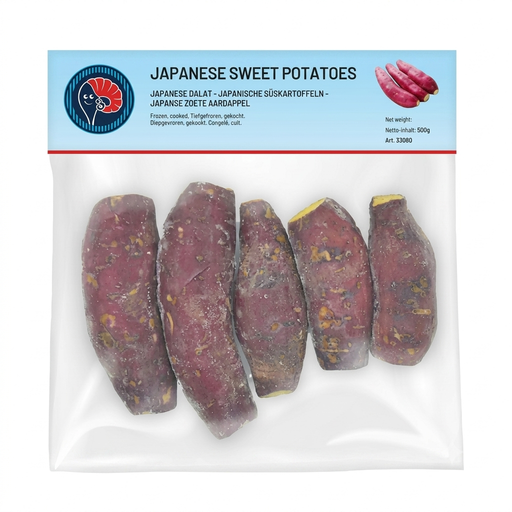
Why it's a good fit: Ideal for those looking for uncomplicated, quick-to-prepare ingredients. The sweet potatoes are already cooked and can be enjoyed immediately, hot or cold, making for an easy introduction to the world of Asian products.
The product bypasses the pitfall of unclear preparation. The ingredient list is minimal (cooked Japanese sweet potatoes), which rules out misleading labels.
Maximum convenience with zero prep time; naturally sweet flavour.
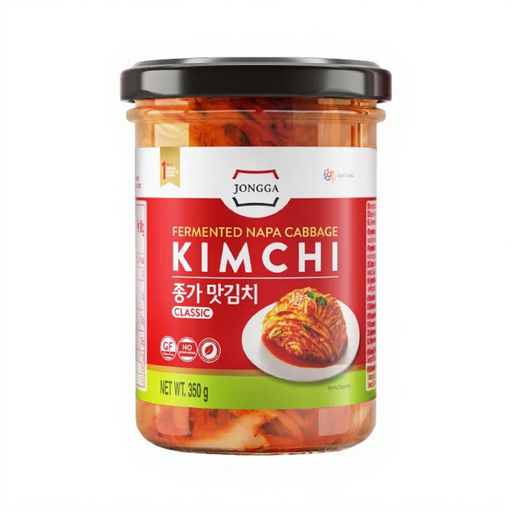
Why it's a good fit: Anyone looking to buy authentic Kimchi will find a product from an established Korean brand here. It delivers the characteristic fermented flavour that is essential for many Korean dishes.
This product tackles the problem of ambiguous quality by coming from a specialised manufacturer. The ingredient list follows a traditional recipe, ensuring the expected flavour.
Authentic, spicy-sour taste; versatile as a side dish or an ingredient for stews and stir-fries.
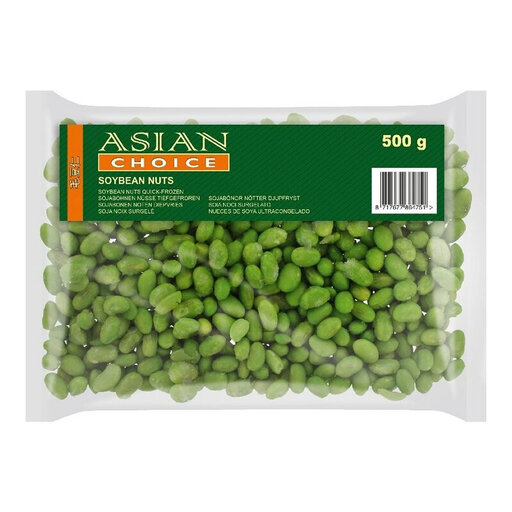
Why it's a good fit: A nutrient-dense ingredient with high protein content and minimal processing. Ideal for salads, bowls, or as a simple snack for a balanced diet.
As a pure frozen product with only one ingredient (soybeans), it avoids the pitfall of hidden additives. Flash-freezing ensures freshness and nutritional value.
High in protein, all-natural, and ready in minutes.
We have compiled a comprehensive, up-to-date list of products that fully meet these strict selection criteria and UK/EU regulations.
1. How can I tell the quality of frozen Asian products? Look for undamaged packaging. Heavy ice formation inside can be an indicator of temperature fluctuations or a broken cold chain. The individual product pieces, such as edamame pods or vegetable cubes, should be loose in the bag and not frozen together into a solid block.
2. Do ingredients like taro, cassava, or lotus root always need to be cooked? Yes, certain root vegetables must be cooked before consumption. Cassava and Taro contain natural substances that are only rendered harmless by heating. Raw consumption is not an option. Lotus root is also typically boiled, steamed, or fried to achieve the desired tender-crisp texture. Always follow the preparation instructions on the packaging.
3. How do I store opened products like pickled vegetables or kimchi? After opening, these products belong in the refrigerator. It's best to store them in an airtight container. To maximise shelf life, pickled products like bamboo shoots should remain covered by their brine. Use the contents within the period recommended by the manufacturer.