
Lieferung heute & morgen

Qualitätsgarantie

Willkommens-Angebote freischalten: KOSTENLOSE Lieferung | Bis zu 80 % RABATT | Kostenlose 30-Tage-JoyPlus-Testphase
App herunterladen
Finding authentic Asian groceries can be a challenge. Whether you're craving the true taste of home or sourcing ingredients for a new, exciting recipe, you're often faced with shelves—both physical and digital—that raise more questions than they answer. As your Joybuy Product Recommendation Officer, I'm here to help you navigate the common pitfalls and make an informed choice.
A common problem is the gap between expectation and the actual product. Many foods marketed as "Asian" are heavily adapted to Western tastes and bear little resemblance to the original. Another pitfall is inadequate or misleading labelling, especially for frozen goods or complex ready-made products. This can make it unclear whether you're buying the specific ingredient needed for a traditional dish or just a low-quality substitute.
To avoid disappointment and ensure you get high-quality, authentic Asian ingredients, you should carefully check two or three key parameters.
A product's authenticity can often be determined by its ingredient list. Look for specific, traditional ingredients rather than generic terms. For Tofu products, for example, a "non-GMO soybeans" label indicates a conscious choice of raw materials. With sauces or pastes, ingredients like fermented beans, specific chilli varieties, or traditional spices point to an authentic recipe. The country of origin also provides a crucial clue. Products made in China, Japan, Korea, or Thailand for their local markets often follow more traditional recipes than those produced exclusively for export.
If you want to buy fresh noodles, the preservation method is crucial for texture and flavour.
The choice, therefore, heavily depends on your planned dish and the desired level of authenticity. For a quick ramen soup, vacuum-packed noodles are a great choice, while for an elaborate hot pot, special hot pot ingredients from the frozen section are often more suitable.
To make your decision easier, we've matched some products from our range to different customer profiles.
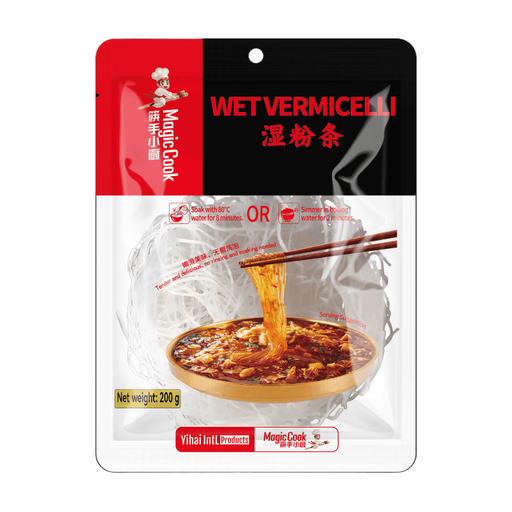
Why it's a match: To prepare an authentic hot pot, you need ingredients that retain their shape and texture even after prolonged cooking. These sweet potato vermicelli noodles from the renowned brand Haidilao are specifically designed for this purpose.
This isn't a generic glass noodle, but a specific variety known for its ability to absorb broth without disintegrating. This helps you avoid buying unsuitable, 'Westernised' noodles.
Pre-cooked and vacuum-packed, so no lengthy soaking is required. The noodles are ready to use instantly, saving valuable prep time.
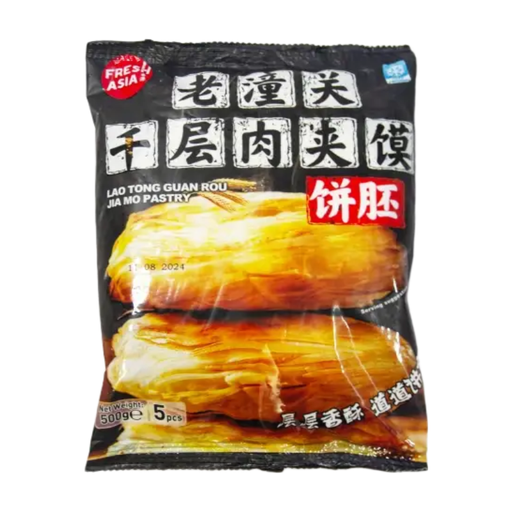
Why it's a match: For fans of street food like the Chinese "Roujiamo" (a type of filled flatbread), preparing the special bread is often the biggest hurdle. This frozen product provides the authentic base.
Instead of using an unsuitable flatbread from the supermarket, this gives you the specific, multi-layered bread that develops a characteristically crispy texture when baked or pan-fried.
A huge time-saver. The breads just need to be heated and filled to create an authentic dish that would otherwise require hours of preparation.
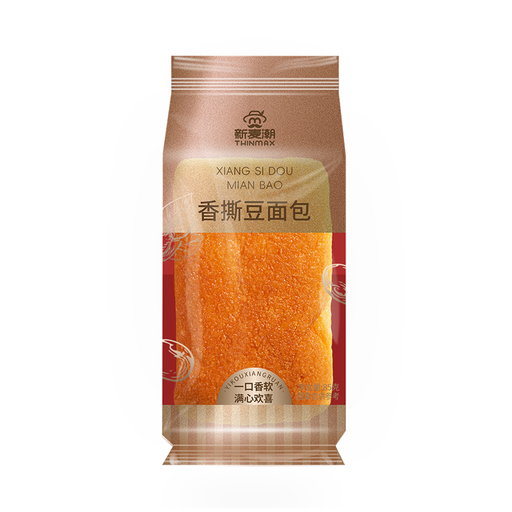
Why it's a match: For those looking for a simple yet authentic Asian snack, this is a popular option. The soft bread with a sweet red bean paste filling is a classic for a quick bite or breakfast.
Unlike generic sweet pastries, this product offers a specific flavour profile that is widespread in Asia. The ingredient list confirms the use of real red bean paste.
Individually wrapped and ready to eat. No preparation is needed, making it a convenient snack for on-the-go or at the office.
Ultimately, making the right choice in an online Asian grocery store depends on your goals. Whether you're planning an elaborate feast or looking for a quick, flavourful snack, taking a closer look at the product details is always worthwhile.
We have compiled a comprehensive, up-to-date list of products that fully meet these strict selection criteria.
Look for brands that are also well-known in their Asian home markets (e.g., Haidilao for hot pot). Check the ingredient list for specific, traditional components and the country of origin. Customer reviews from people with an Asian background can also be very insightful.
Both are Japanese foods, but they differ in shape and texture. Ramen noodles are typically thin, wavy, and elastic. They are often served in a rich broth. Udon noodles are significantly thicker, softer, and have a chewier bite. They are suitable for both hot soups and cold dishes with a dipping sauce. The choice depends on the desired dish.
Frozen Asian foods like dumplings or meat products should be stored at -18°C or colder without breaking the cold chain. Do not refreeze after thawing and consume promptly. Fresh Tofu products should be stored in water in the refrigerator, and the water should be changed daily to maintain freshness. Always follow the storage instructions on the packaging.