
Lieferung heute & morgen

Qualitätsgarantie

Willkommens-Angebote freischalten: KOSTENLOSE Lieferung | Bis zu 80 % RABATT | Kostenlose 30-Tage-JoyPlus-Testphase
App herunterladen
Buying Asian groceries online offers a convenient way to discover products that are often unavailable in local supermarkets. From authentic spices to speciality snacks, the selection is vast. However, this variety also presents challenges. When ordering online, you face the task of assessing product quality, authenticity, and safety from a distance. This guide highlights the common pitfalls and the objective criteria you should look for to make an informed purchasing decision.
Navigating the growing online market requires attention to detail. Three common issues can lead to unsatisfying purchases:
To avoid these pitfalls, it is advisable to check three key product parameters before purchasing. This information helps to objectively assess the quality and safety of a product.
A transparent list of all ingredients is essential. Look for a complete ingredient list that highlights potential allergens in accordance with EU regulations. Precise nutritional information per 100g allows for a direct comparison between different products, such as with low-calorie snacks like konjac jelly. This enables you to make an informed decision about whether a product fits your dietary goals.
A reputable supplier always provides the name and address of the company responsible for the product within the European Union. This "importer of record" ensures that the product complies with local laws and safety standards. The mention of a company based in Germany or the EU, such as Jingdong Retail Germany GmbH, establishes clear accountability.
The country of origin provides information about the recipe's source and production standards. If you are specifically looking to buy Japanese snacks or find authentic Chinese food, this information is a crucial criterion. Equally important is a clearly stated best-before date, which guarantees the product's freshness.
Based on the criteria above, we have compiled a selection of products suitable for different user profiles.
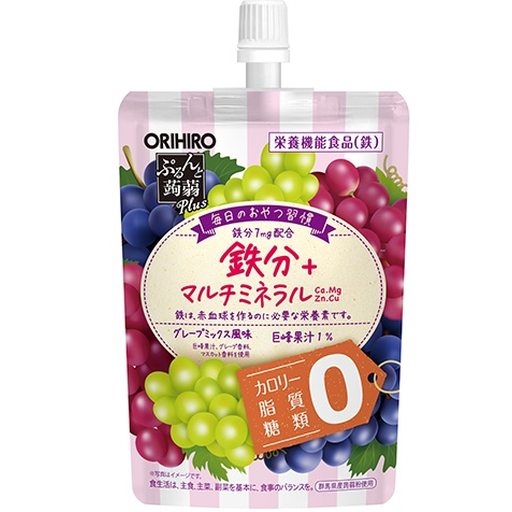
Why This Fits Their Persona: Ideal for those looking for a light yet flavourful snack. This konjac jelly is sugar-free and calorie-free, making it a suitable choice for a health-conscious diet. The added minerals zinc, copper, and biotin offer functional benefits.
The product features a detailed nutritional table and ingredient list, which clearly states that it contains 0 kcal and 0g of sugar. This avoids the pitfall of unclear product information.
Sugar-free and calorie-free. Enriched with the minerals zinc and copper, as well as biotin.
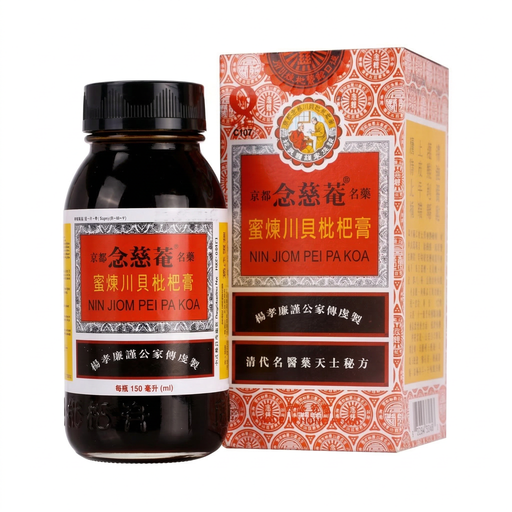
Why This Fits Their Persona: Suitable for users seeking authentic, long-established products. Nin Jiom is a well-known brand with a long history of producing traditional herbal products. The syrup is based on an herbal formula with honey.
The Nin Jiom brand and the manufacturer are clearly identified, ensuring authenticity. The complete list of herbal ingredients creates transparency and bypasses the pitfall of questionable quality.
Based on a traditional herbal formula. Produced by a renowned brand with a long company history.
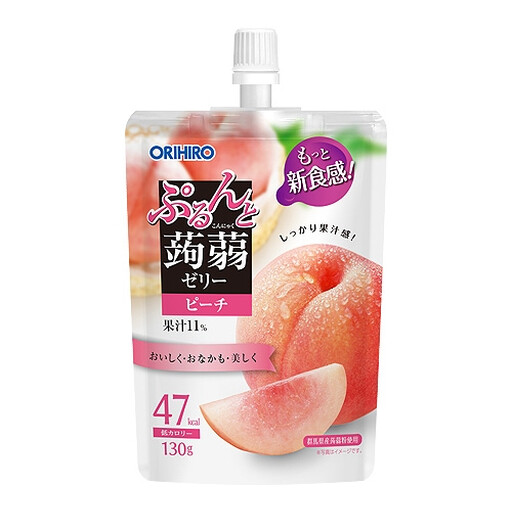
Why This Fits Their Persona: Perfect for anyone wanting to try popular Asian sweets with a unique texture and fruity taste. The Orihiro Jelly is a well-known snack from Japan, prized for its soft yet firm consistency and intense fruit flavour.
The product description clearly states that it contains 8% real peach juice, rather than just mentioning "flavouring." The German importer is listed, which ensures compliance with EU standards.
Made with real fruit juice. The convenient squeeze pouch allows for easy, on-the-go consumption.
We have compiled a complete, real-time list of products that fully satisfy these strict selection criteria and EU safety regulations.
A trustworthy online store is distinguished by several features: a complete legal notice (imprint) with a company address in the EU, transparent information about the responsible EU importer on product pages, detailed product descriptions with full ingredient lists and nutritional information, and clear details on shipping costs and delivery times.
Konjac jelly (or Konnyaku Jelly) is a popular snack from Asia, particularly Japan. It is made from the flour of the konjac plant and is characterized by a firm, chewy texture. As it is naturally very low in calories, it is often valued as a lighter alternative to gelatine- or starch-based desserts and is offered in many fruity flavours.
Before purchasing, check if the retailer provides information on the best-before date (BBD). Reputable suppliers based in the EU are subject to strict regulations regarding storage and labelling. Upon receiving the goods, you should check the BBD on the packaging and store the products according to the storage instructions to maintain freshness.