
Lieferung heute & morgen

Qualitätsgarantie

Willkommens-Angebote freischalten: KOSTENLOSE Lieferung | Bis zu 80 % RABATT | Kostenlose 30-Tage-JoyPlus-Testphase
App herunterladen
Online grocery shopping has revolutionised the way we stock our pantries. For enthusiasts of Asian cuisine, a well-stocked online Asian grocer provides access to ingredients that are often hard to find in local supermarkets. However, this convenience comes with its own pitfalls. Home cooks aiming to prepare authentic dishes often face the challenge of selecting the right products and not falling for marketing promises.
Many home cooks know the problem: you invest time and money in ingredients, only for the result to be disappointing. This is often due to three common pitfalls when shopping online:
This guide will help you navigate these hurdles and find the exact products you need for a successful cooking experience.
To avoid disappointment, you should focus your attention on a few fundamental product parameters. These objective criteria are far more telling than any marketing message.
The foundation for authentic Thai food or Indian food is the quality of the raw materials. A short, clear ingredient list is often a good sign. Look for specific, traditional ingredients instead of generic terms like "spices" or "flavourings." For a curry paste, for example, ingredients like galangal, lemongrass, and kaffir lime leaves are indicators of a traditional recipe. Also, pay attention to a clear declaration of allergens and the country of origin.
The choice of noodle is crucial for the texture and mouthfeel of a dish. When you buy rice noodles, the width is a key criterion:
Udon noodles, on the other hand, are made from wheat flour and have a characteristically thick, chewy texture that makes them ideal for stir-fries and rich soups.
Many basic Asian ingredients come in different versions for specific applications. Tamarind paste, a key ingredient for Pad Thai, provides the signature sweet-and-sour flavour. There are also significant differences among curry pastes: a Massaman curry paste is mild and earthy, while a green curry paste is significantly spicier. Before buying, check which variety your recipe requires to achieve the desired taste.
To make your selection easier, we have compiled a few products based on typical use cases.
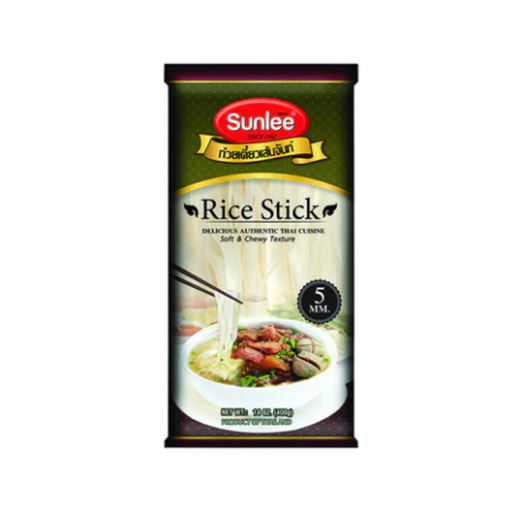
Why it's a great fit: These rice noodles are specifically designed for making Pad Thai. Their medium 5 mm width ensures they absorb the sauce perfectly without becoming mushy, while retaining a pleasantly firm texture.
Avoids the "wrong noodle" trap, as the 5 mm width is the exact specification needed for classic Pad Thai.
Made from high-quality rice flour, gluten-free, and vegan. The curved shape also helps to bind the sauce.
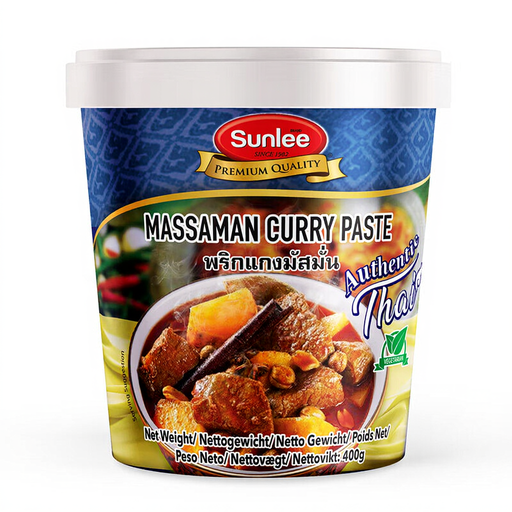
Why it's a great fit: This curry paste allows you to create an authentic, aromatic Massaman curry without any animal products. It's perfect for anyone on a plant-based diet who doesn't want to compromise on the complex flavours of Thai cuisine.
Solves the "hidden ingredients" problem by being explicitly labelled as vegan, guaranteeing it contains no shrimp paste or other animal-derived components.
Offers an authentic spice blend with lemongrass, galangal, and coriander seeds. The 400g pack is economical and goes a long way.
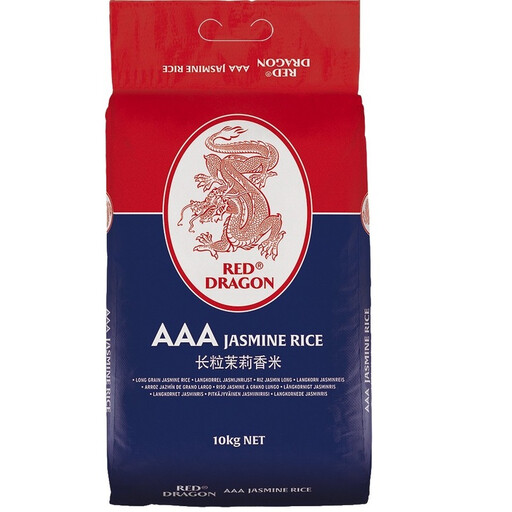
Why it's a great fit: For households where Asian food is a staple, high-quality rice is the foundation. This Cambodian jasmine rice in a 10kg value pack ensures you always have a premium base for countless dishes.
Avoids the "authenticity" trap by choosing a specific, multi-award-winning rice variety (Phka Rumduol) instead of a generic "jasmine rice."
The AAA-grade quality guarantees long, slender grains with a natural, floral aroma and a soft, fluffy texture after cooking.
We've curated a complete, up-to-date list of products that meet these strict selection criteria. Explore our range for a conscious, plant-based diet.
High-quality rice noodles typically consist of only rice flour and water. The colour should be a uniform white to off-white, with no dark spots. There should be very few broken noodles in the package. The texture after cooking is key: the noodles should be elastic and firm to the bite, not sticky or mushy.
Correct storage is crucial for shelf life.
The "vegan" label is a reliable indicator. Nevertheless, a careful look at the ingredient list is advisable, especially for direct imports. Traditional Asian recipes can hide ingredients like fish sauce or shrimp paste, which are not always clearly declared as animal-derived in some products. Products manufactured for the European market are subject to stricter labelling regulations.