
Lieferung heute & morgen

Qualitätsgarantie

Willkommens-Angebote freischalten: KOSTENLOSE Lieferung | Bis zu 80 % RABATT | Kostenlose 30-Tage-JoyPlus-Testphase
App herunterladen
From TikTok feeds to the freezer aisles of well-stocked supermarkets, Asian ice cream is more visible than ever. The variety of shapes, textures, and flavours, often distinct from European-style ice creams, has sparked widespread curiosity. But the sheer selection can be overwhelming. What exactly is mochi ice cream? And where can you actually buy that viral Korean ice cream?
This article serves as your guide. We'll introduce you to some of the most popular varieties available in your region and provide practical tips to help you make the right choice. Our goal is to give you a factual basis for your purchasing decision.
Before you decide on a product, some basic information can be helpful.
Asian ice cream comes in many forms. Among the best-known are:
The flavours are often what make Asian ice cream stand out. In addition to fruit varieties, flavours like matcha ice cream (green tea), red adzuki beans, black sesame, or taro are common. It's always a good idea to check the ingredient list, especially for those with allergies. Many Asian desserts may contain soy, nuts, or sesame seeds.
Like any frozen product, Asian ice cream should be stored at a constant -18°C to maintain its quality. There is a special tip for mochi ice cream: it is recommended to let the balls rest at room temperature for 3–5 minutes after taking them out of the freezer. This allows the rice dough to soften and achieve its characteristic chewy consistency.
Here is a selection of products that offer a great introduction to the world of Asian ice cream.
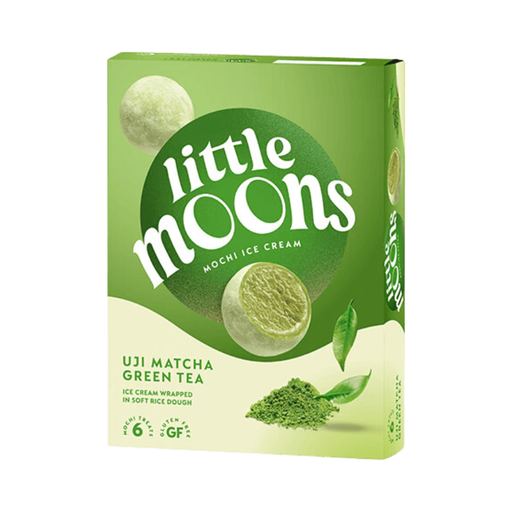
Why it stands out: This mochi ice cream combines the chewy texture of Japanese rice dough with a creamy ice cream filling. According to the manufacturer, the matcha used is sourced from the Uji region in Japan, which is renowned for its high-quality green tea.
Pros:
Who is it for? For those who appreciate the distinctive taste of matcha and want to discover a new dessert texture. Ideal for a small, special moment of indulgence.
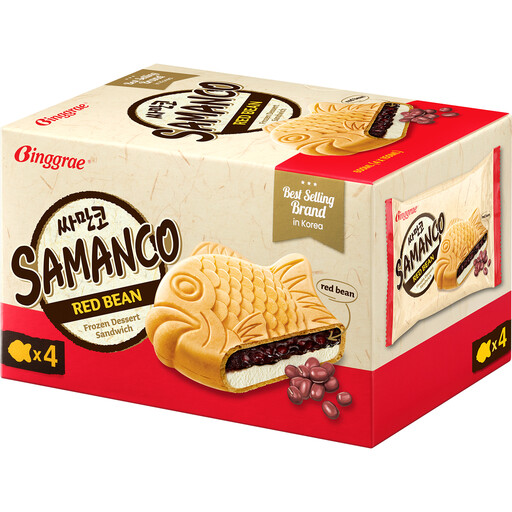
Why it stands out: This Korean ice cream is instantly recognisable by its fish shape (inspired by the Japanese pastry taiyaki). It consists of a thin wafer filled with vanilla ice cream and a layer of sweet red bean paste.
Pros:
Who is it for? For the curious who want to try a satisfying and flavourfully complex dessert. The combination of sweet and slightly nutty notes from the bean paste offers a new taste experience.
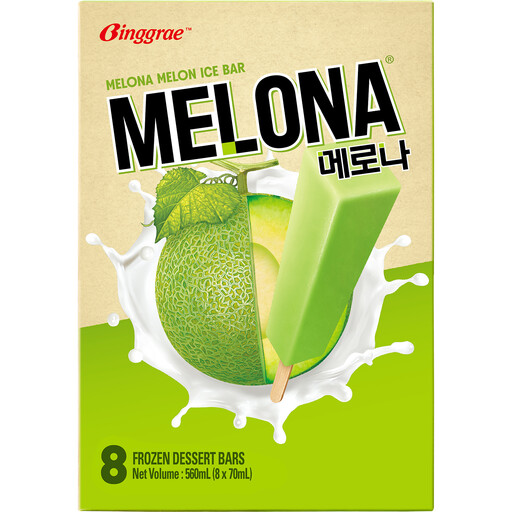
Why it stands out: The Melona Ice Bar is a cult classic from South Korea, known for its intense creaminess and authentic honeydew melon flavour. Its simple shape and refreshing character make it incredibly popular.
Pros:
Who is it for? For anyone looking for a straightforward, fruity, and creamy ice cream for a quick refreshment. An excellent choice, especially on warm days.
The world of Asian ice cream is vast and diverse. Flavours like taro, durian, black sesame, or lychee offer other exciting alternatives. If we've piqued your curiosity and you want to buy Asian desserts or simply browse, you can find a wider selection in our category.
Discover Our Entire Ice Cream Assortment
The special thing about mochi ice cream is the contrast of textures. The outer shell is made of a soft, slightly chewy glutinous rice dough, while the filling consists of cold, creamy ice cream. This interplay in the mouth is unique and sets it apart from most European ice creams.
In the past, such products were almost exclusively found in specialised Asian markets in large cities. Today, more and more well-stocked supermarkets also carry a selection. A convenient option is to buy online from retailers specialising in Asian foods, as the selection is often the largest there.
The base of milk, cream, and sugar is often similar. The main difference lies in the flavours and formats. Korean ice cream frequently uses ingredients like red beans, melon, taro, or roasted rice, which are less common in Western ice cream production. The shapes, like the fish-shaped Samanco ice cream, are also characteristic and part of Korean food culture.