
Lieferung heute & morgen

Qualitätsgarantie

Willkommens-Angebote freischalten: KOSTENLOSE Lieferung | Bis zu 80 % RABATT | Kostenlose 30-Tage-JoyPlus-Testphase
App herunterladen
Asian instant noodles are a convenient solution for a quick meal. The selection is vast, ranging from Japanese ramen to Vietnamese pho. However, this variety can also lead to disappointment. All too often, promising packaging conceals products that fail to deliver on flavour or have questionable nutritional values. As your Joybuy Product Recommendation Officer, I'm here to help you navigate the common pitfalls and make an informed choice.
Many shoppers are guided by appealing packaging images or vague marketing terms. This often leads to two main problems:
To make a good choice, you should focus on objective characteristics rather than marketing claims. Here are the three most important parameters to check before you order Asian noodles online.
The base of every instant noodle soup is the noodle itself. Its type and production method significantly determine the texture and taste.
The flavours of Asian noodles are extremely diverse. The origin often provides a good indication of the expected flavour profile.
The choice between a cup and a packet depends on your needs.
Based on the criteria above, we have selected a few products from our range that are suited for different needs.
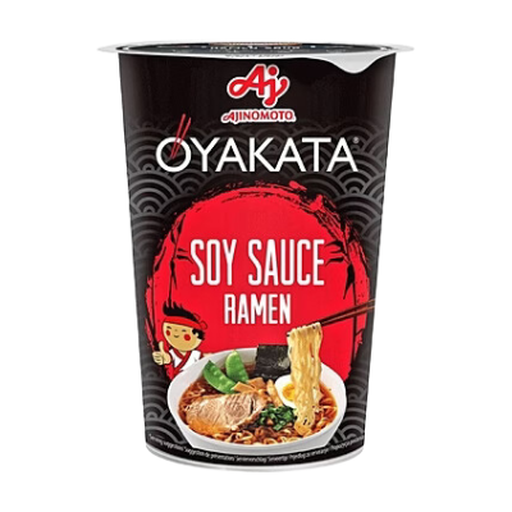
Why This Fits Their Persona: Ideal for students or professionals who need a hassle-free and quick meal. Preparation only requires hot water and a three-minute wait. The classic soy sauce flavour is approachable and not overly spicy.
The product doesn't promise vague "authenticity" but delivers a clear, defined flavour profile (Japanese soy sauce). The convenience of Cup Noodles is the main focus and is delivered perfectly.
Extremely fast preparation in the cup; balanced, classic shoyu ramen flavour.
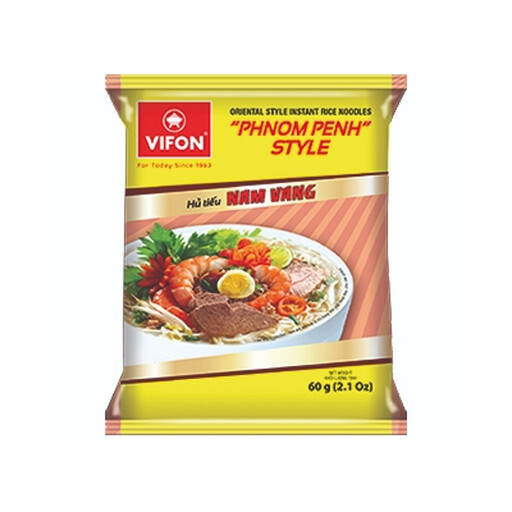
Why This Fits Their Persona: For anyone looking to venture beyond ramen. This product recreates the taste of "H? Ti?u Nam Vang," a traditional Phnom Penh-style noodle soup, offering a unique Southeast Asian flavour experience.
Instead of a generic "Asian" flavour, this product delivers a specific, regional profile. The rice noodle base provides the expected light and smooth texture, which is distinctly different from wheat noodles.
Distinctive flavour profile of a Vietnamese pho soup; light, gluten-free rice noodles.
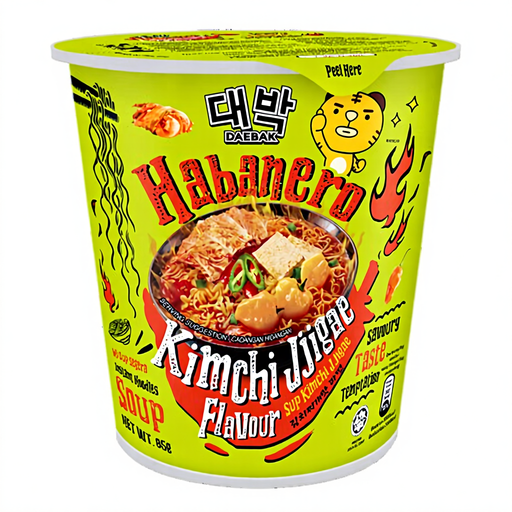
Why This Fits Their Persona: For those who are specifically looking for a challenge. These Korean noodles combine the intense heat of Habanero chilis with the tangy and sour taste of Kimchi Jjigae (stew).
This product is completely transparent about its heat level. The name "Habanero" clearly signals that these are very spicy instant noodles, thus avoiding disappointment for buyers who prefer mild flavours.
Intense and complex heat from Habanero and kimchi; typically bold taste of Korean cuisine.
For health-conscious foodies, we have curated a selection of products that meet strict criteria. Discover noodles specifically designed with reduced sodium content.
Pay attention to the ingredient list and the type of noodles. Air-dried noodles are often a sign of higher quality compared to fried ones. A shorter ingredient list without an excessive number of flavour enhancers (like E621 or monosodium glutamate) can also indicate a higher-quality product. Also, check the sodium content per 100g to avoid extremely salty products.
Even a simple instant noodle soup can be improved with just a few touches. Add fresh ingredients shortly before serving, such as:
No, that's a common misconception. While Korean noodles are often known for their spiciness, Japanese noodles offer a wide range of mild and savoury flavours like miso, soy sauce (shoyu), or pork bone broth (tonkotsu). Likewise, Vietnamese pho soups are typically aromatic and not spicy, where the heat is often added individually to taste using a separate chili paste.