
Lieferung heute & morgen

Qualitätsgarantie

Willkommens-Angebote freischalten: KOSTENLOSE Lieferung | Bis zu 80 % RABATT | Kostenlose 30-Tage-JoyPlus-Testphase
App herunterladen
By Joybuy Product Recommendation Officer, August 28, 2026
Asian instant noodles offer a quick and flavorful meal, but the growing selection on supermarket shelves can be overwhelming. We've all been there: the packaging promises a rich meal with succulent meat and crisp vegetables, but the cup contains just a block of noodles and a single powder packet. This kind of disappointment is avoidable if you know what to look for.
This guide will help you navigate the common pitfalls and find products that truly meet your expectations. We'll focus on the objective features that define a high-quality instant noodle.
Common Pitfalls When Buying Instant Noodles
To make an informed decision, you should examine three core aspects. These will give you reliable clues about the product's quality and character, regardless of marketing promises.
The heart of any noodle soup is the noodle itself. Its composition and production method determine texture and taste.
The seasoning determines the complexity and authenticity of the flavor.
There are targeted options for health-conscious consumers or those with special dietary needs. Products with konjac noodles are virtually free of calories, fat, and carbohydrates. Non-fried noodles are a great choice for anyone looking to reduce their fat intake. The nutrition facts table and ingredients list provide reliable information here.
Here are some recommendations tailored to different needs and preferences.
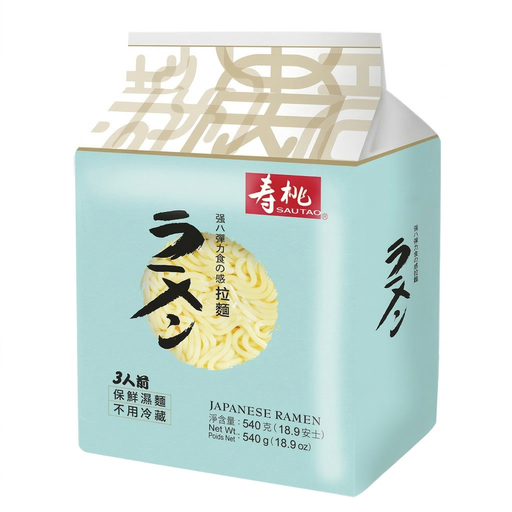
Why it's a match: Ideal for those who want a high-quality noodle base to create their own soups or stir-fry dishes. This package contains only noodles, giving you full control over the broth and toppings.
Since no seasoning is included, there are no misleading promises. The focus is on the quality of the noodle itself, thus avoiding the "one-size-fits-all texture" trap.
Non-fried and low-fat (only 0.5g of fat per 100g, according to the manufacturer). The firm, smooth texture provides an authentic foundation for Japanese ramen dishes.
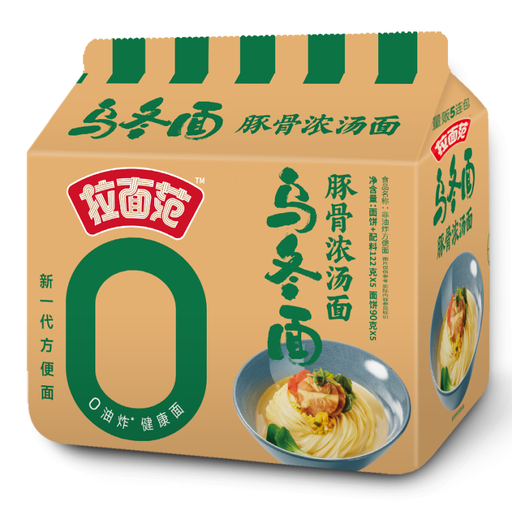
Why it's a match: For anyone seeking an authentic, deep-flavored Japanese noodle soup. This product combines thick udon noodles with a complex broth.
The seasoning base consists of a pork bone and miso-flavored soup paste, plus a separate oil and vegetable packet. This creates a multi-layered flavor that goes beyond a simple powder.
The combination of non-fried udon noodles and a rich tonkotsu broth delivers an authentic mouthfeel and a deep umami flavor.
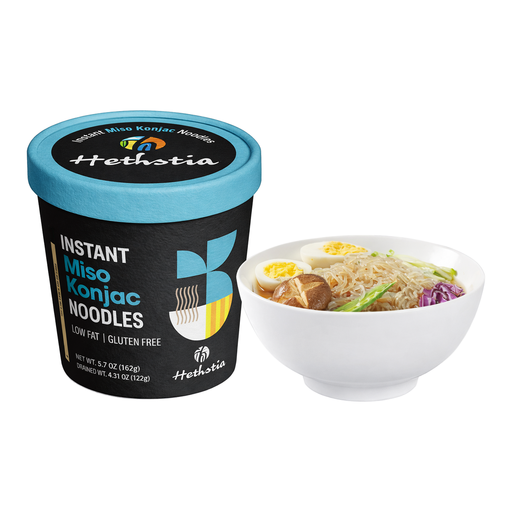
Why it's a match: An excellent choice for a low-calorie, low-carb, or gluten-free diet. This noodle cup is based on konjac noodles.
This product targets a specific niche and deliberately avoids standard wheat noodles. It meets clearly defined dietary requirements instead of trying to be an all-purpose product.
The konjac noodles are fat-free, sugar-free, and extremely low in calories at 25 kcal per serving, according to the manufacturer. Preparation is very straightforward thanks to the cup format.
We've compiled a complete, up-to-date list of products that fully meet these strict selection criteria and German food regulations.
The easiest method is to add fresh ingredients. A soft-boiled egg, sliced scallions, fresh cilantro, steamed bok choy, or bamboo shoots will elevate almost any noodle soup. Pan-fried chicken, tofu, or a few shrimp also work well. A dash of sesame oil, soy sauce, or chili oil just before serving can further deepen the flavor.
Look for terms like "non-fried" or "air-dried" on the packaging. A glance at the nutrition facts is also revealing: non-fried noodles have a significantly lower fat content per 100g, often under 3 grams. Fried noodles typically contain 15-25 grams of fat per 100g.