
Lieferung heute & morgen

Qualitätsgarantie

Willkommens-Angebote freischalten: KOSTENLOSE Lieferung | Bis zu 80 % RABATT | Kostenlose 30-Tage-JoyPlus-Testphase
App herunterladen
The selection of Asian instant noodles can be overwhelming. From Korean noodles with fiery heat to savory Chinese varieties, the shelves are packed with promises of a quick and authentic meal. But too often, the purchase leads to disappointment. To prevent you from wasting money on bland broths or soggy noodles, we'll show you how to navigate the most common traps and find products that deliver on their promises.
As your Joybuy Product Recommendation Officer, I've made it my mission to filter market information and provide you with objective, practical advice to help you see through the marketing hype.
To make an informed decision, you should focus on objective criteria rather than being swayed by marketing promises. The next time you're shopping for Asian foods, pay attention to the following three points.
The noodle production method has a significant impact on texture and nutritional value.
Check the ingredient list or product description to determine which type it is. This is a crucial factor for mouthfeel.
Not all instant noodles are created equal. The preparation method defines the entire dish.
The country of origin often provides a clear clue about the expected flavor profile.
Here are a few recommendations tailored to specific needs and flavor profiles, taking the above criteria into account.

Why This Fits Their Persona: Ideal for those seeking authentic and intense heat. This product delivers the characteristic, numbing-spicy "mala" flavor that Chongqing cuisine is famous for, going far beyond a simple chili note.
Instead of a vague "spicy" label, it offers a specific, regional flavor profile (Chongqing). The combination of chili and Sichuan pepper is clearly defined.
Uses non-fried noodles for a chewy texture. The in-bowl preparation is straightforward and fast.
Why This Fits Their Persona: Perfect for lunch at the office, while traveling, or whenever you need a quick meal. Everything is packed in a convenient tray; just add hot water. No extra dishes, no cleanup.
Here, the packaging is part of the product. What you see (a meal in a tray) is exactly what you get. It doesn't create false expectations with exaggerated serving suggestions.
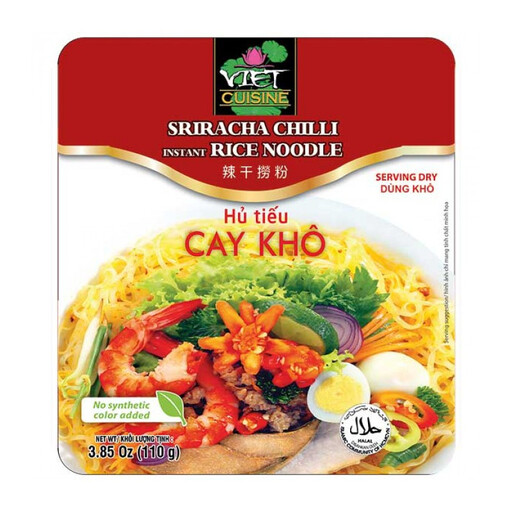
Uses rice noodles as a gluten-free alternative to wheat noodles. The well-known Sriracha flavor provides a pleasant, zesty heat.
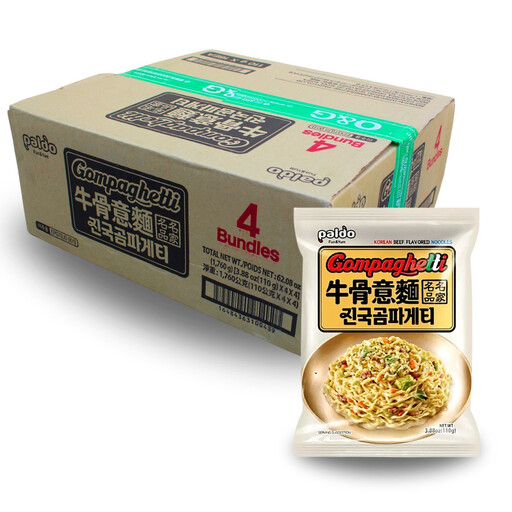
Why This Fits Their Persona: For the adventurous eater looking to try something new. This product combines the savory depth of a Korean beef bone broth (Gomtang) with the creamy texture and shape of spaghetti to create a unique dry noodle dish.
It doesn't try to poorly imitate a familiar flavor. Instead, it creates an entirely new fusion concept, making it honest in its unconventional positioning.
A unique combination of Korean and Western elements. As a dry noodle dish, it's a welcome change from the classic soup.
We have compiled a complete, up-to-date list of products that fully meet these strict selection criteria and German regulations.
With just a few simple additions, you can transform a basic packet of noodles into a more complete meal. Add a soft-boiled egg, freshly chopped spring onions, cilantro, or a bit of toasted sesame oil. Leftover roasted vegetables, tofu, or meat also work great. A spoonful of chili oil or peanut paste can add extra depth to the broth.
These terms refer to different types of noodles that vary in texture and ingredients:
In a direct comparison, non-fried noodles generally contain less fat and fewer calories because they are air-dried instead of deep-fried. However, the overall health profile of an instant noodle dish depends heavily on the included seasoning packets. These often contain a very high amount of sodium and flavor enhancers. A quick look at the nutrition facts on the packaging is therefore always recommended to assess the salt and fat content of the entire product.