
Lieferung heute & morgen

Qualitätsgarantie

Willkommens-Angebote freischalten: KOSTENLOSE Lieferung | Bis zu 80 % RABATT | Kostenlose 30-Tage-JoyPlus-Testphase
App herunterladen
The selection of Asian instant noodles is vast and ever-growing. But behind colourful packaging and enticing names, you'll often find products that are a letdown in flavour or fail to deliver on their promises. As your Joybuy Product Recommendation Officer, I'm here to help you navigate the common pitfalls and make an informed decision that matches your taste preferences.
A frequent problem is the discrepancy between the picture on the packaging and the actual contents. Often, opulent noodle bowls with fresh vegetables and meat are shown, while the package contains only noodles and a simple seasoning powder. Another pitfall is the term "authentic," which often serves merely as a marketing tool, with a recipe that doesn't actually come close to a traditional Chinese noodle soup or a genuine Japanese ramen. Many products are adapted for the European market, lacking the original depth of flavour or spiciness.
To avoid disappointment when buying instant ramen, you should look for three objective features that say more about the quality than any advertising message.
The noodle production method has a significant impact on texture and taste.
The complexity of the broth is the heart and soul of any good noodle soup. A look at the included seasoning packets reveals a lot about the expected flavour quality.
Not all Asian noodles are created equal. The country of origin often gives a clue about the expected flavour profile.
Here are a few recommendations tailored to different needs and flavour profiles, taking the aforementioned quality criteria into account.
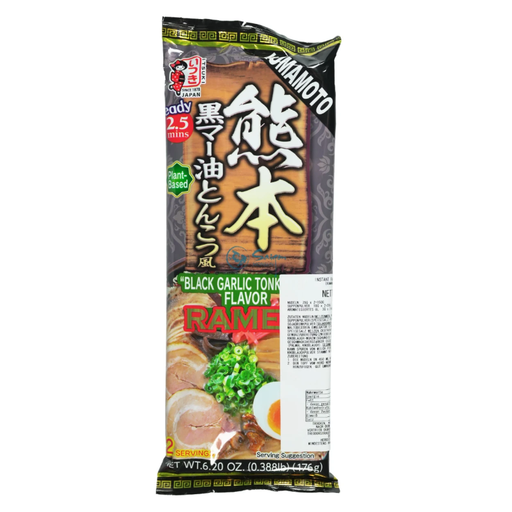
Why This Fits Their Persona: Ideal for those seeking an authentic Japanese ramen experience. This product replicates the regional style from Kumamoto with its characteristic black garlic oil (mayu) and offers a deep, complex broth that goes far beyond standard instant noodles.
Instead of a vague "authentic" promise, this product delivers a specific, regional speciality. The broth is not just based on powder but is enhanced by a separate seasoning oil.
Non-fried noodles for a firm texture. The broth is plant-based but replicates the rich flavour of tonkotsu.
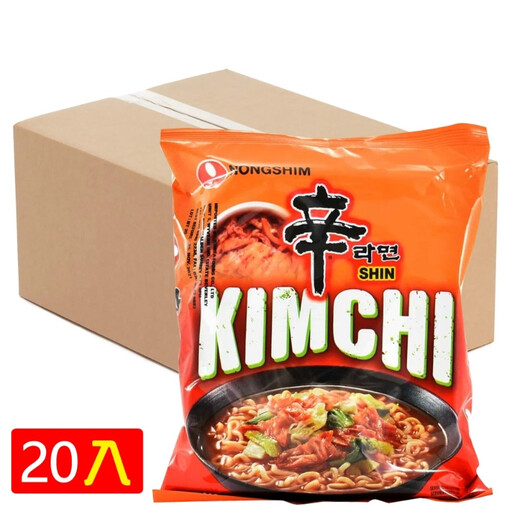
Why This Fits Their Persona: Perfect for anyone looking for authentic Korean noodles with a distinct yet balanced heat. The sour and spicy flavour of kimchi is clearly recognisable and offers an intense experience for fans of spicy noodles.
This product delivers the expected heat and complexity instead of a watered-down "European" version. The included flakes contain real pieces of kimchi cabbage.
A classic of Korean cuisine from an established brand. The bulk noodle box offers great value for money for stocking up.
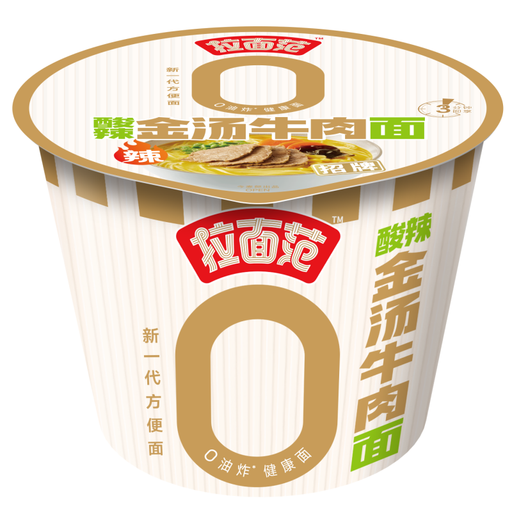
Why This Fits Their Persona: For professionals and students who need a quick yet flavourful meal with no cooking effort. As a Cup Noodles variety, it only requires adding hot water. Ideal for the office or when you're in a hurry.
Despite the convenient cup format, this product doesn't skimp on flavour. The hot and sour beef note is complex and contains authentic ingredients like pickled chilli and ginger.
Ready in 3 minutes with just hot water. The non-fried noodles provide a pleasantly chewy texture, which is not a given for cup noodles.
We've compiled a complete, up-to-date list of products that meet these strict selection criteria.
Even simple instant noodles can be elevated with just a few simple touches. Just before serving, add a soft-boiled egg, fresh spring onions, blanched pak choi, or a few slices of fried tofu. A dash of sesame oil or some chilli crisp can also provide extra dimensions of flavour.
Yes, the selection of high-quality vegetarian and vegan options is growing. Look for products whose broth is based on miso, mushrooms (especially shiitake), or vegetables. Products like the Nongshim Soon Veggie Ramyun Noodle Soup are explicitly labelled as vegetarian and offer a robust, flavourful broth without any animal-based ingredients. Many Japanese-style vegetarian instant noodles that replicate the tonkotsu flavour using plant-based ingredients are also a great choice.
The main difference often lies in the flavour profile and heat level. Korean noodles (Ramyun) are frequently known for their bold seasoning and pronounced heat, often with flavours like kimchi, gochujang (chilli paste), or spicy beef. Japanese ramen tend to focus more on the depth and umami of the broth, with varieties like the creamy tonkotsu broth, the salty shoyu broth, or the fermented miso broth. Here, the heat is usually optional or more subtle.