
Lieferung heute & morgen

Qualitätsgarantie

Willkommens-Angebote freischalten: KOSTENLOSE Lieferung | Bis zu 80 % RABATT | Kostenlose 30-Tage-JoyPlus-Testphase
App herunterladen
Asian instant noodles are a practical option in Germany for students, working professionals, K-food fans and households short on time. However, Instant Ramen, Korean instant noodles, Chinese soup noodles, Thai varieties and Indonesian Mi Goreng differ considerably in terms of preparation, spice level, ingredients and portion size.
If you only look for eye-catching packaging or a familiar flavour, it is easy to overlook important details. Three common purchasing mistakes are particularly relevant:
Origin is a useful guide, but it does not replace checking the ingredients list. Chinese instant noodles often contain full-bodied broths with soy sauce, spices or beef flavour. One example is Master Kong Braised Beef Flavor Instant Noodle from China. The pack contains five 106-gram portions, with separate sauce, seasoning and vegetable sachets.
Korean instant noodles are often more intensely seasoned and use both soup bases and sauces to mix through the noodles. Shin Ramyun and Kimchi Ramen are well-known soup varieties. Buldak Ramen, Carbonara and Cheese varieties, however, are drained after cooking and mixed with a concentrated sauce.
Thai instant noodles often feature sour, spicy and creamy flavour profiles, such as Tom Yum or prawn flavour. Vietnamese instant noodles can also combine tangy and savoury notes with fish sauce or prawn flavour. Indonesian Mi Goreng is typically served without broth and seasoned with sweet soy sauce, seasoning powder, oil and chilli powder.
The ingredients list is more important when choosing a product than marketing claims such as “authentic” or “creamy”. Pay particular attention to:
Allergen information may apply to the specific product and packaging in question. If you have allergies or intolerances, always check the current labelling before eating the product. The nutritional values per 100 grams also help you compare energy, fat, sugar, protein and salt. Several products in the range, for example, list salt values of around 4.7 to 5.6 grams per 100 grams.
Depending on the product, preparation usually takes between three and five minutes. Even so, the steps can vary:
Before buying, check whether you need a saucepan or whether the noodles can be prepared directly in the cup. For stocking up, large packs of instant noodles containing 20, 30 or 40 portions can be a practical choice. For trying a flavour for the first time, a 5-pack or an individual portion is often more convenient.
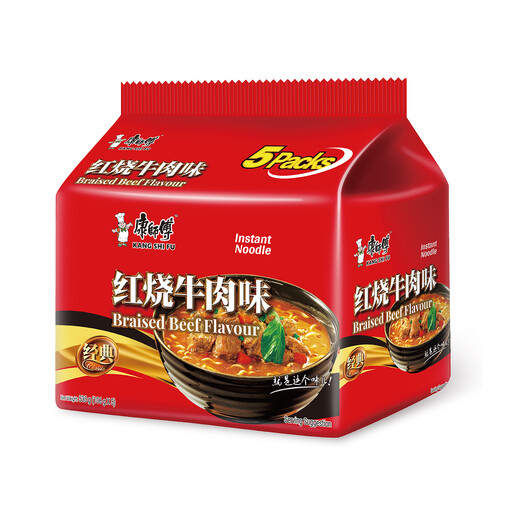
Why this product suits this profile: The 5-pack provides five individual portions of Chinese instant noodles with a richly flavoured beef broth and a stated preparation time of three minutes.
The clearly stated quantity of 530 grams and five individual packs make it easier to compare this product with other multipacks. Allergens such as wheat and soya are listed.
Separate sauce, powder and vegetable sachets; three-minute cooking time according to the product information.
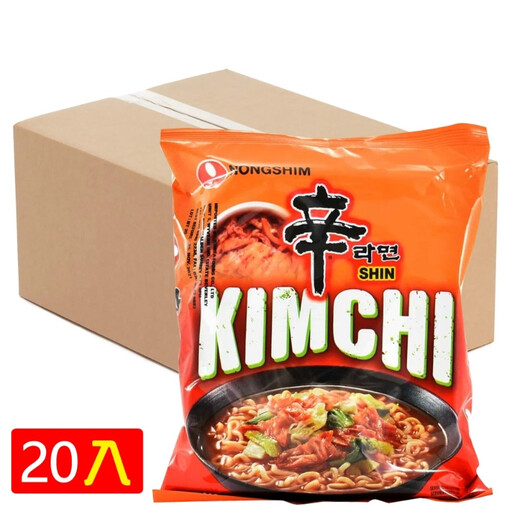
Why this product suits this profile: The large 20-portion pack is ideal for households and fans of Korean instant Ramen who want to keep a consistent flavour in stock.
The product information specifies the origin, total weight, nutritional values and allergens. This makes it easy to compare the large pack objectively with other Korean instant noodles.
20 portions of 120 grams each; kimchi cabbage, carrots and spring onions as dried vegetables.
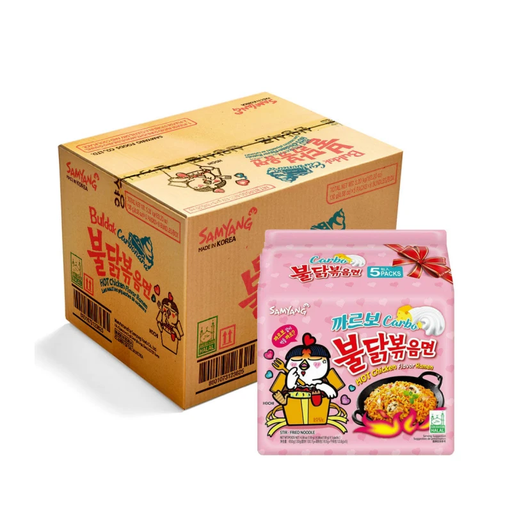
Why this product suits this profile: The box containing 40 individual portions is suitable for frequent buyers, office kitchens or households that regularly plan meals with spicy Ramen.
The number of portions and total weight of 5.2 kilograms are specified. The sauce is mixed in after draining, making the preparation method clear.
Carbonara powder with milk and mozzarella; 40 individually portioned packs.
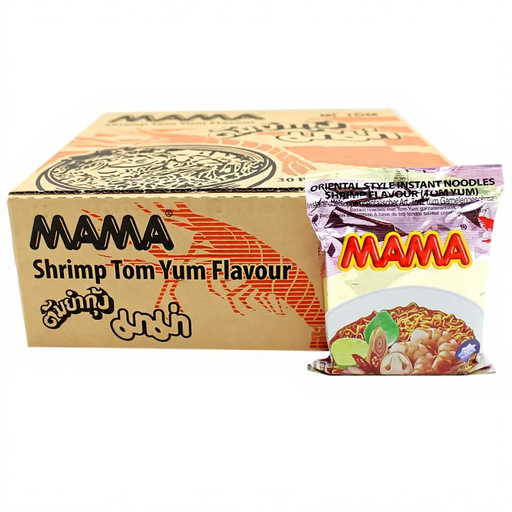
Why this product suits this profile: The 30-pack of 60-gram portions is designed for offices, shared houses and small snacks with a creamy prawn flavour.
The smaller individual portion helps prevent buying a large serving that is not filling enough or is more than you need. Milk, soya and prawns are listed as allergens.
30 individually wrapped portions; prepared with hot water in around three to four minutes according to the product information.
We have put together a complete, regularly updated list of products that fully meet these strict selection criteria and the safety regulations applicable in the EU.
Unopened instant noodles should normally be stored in a dry, cool place away from direct sunlight. A cupboard with as steady a room temperature as possible is more suitable than a damp spot next to the cooker. The best-before date is printed on the packaging. With large packs, check the date before buying and when taking out individual portions.
Opened sachets should be resealed and used promptly. Once prepared, noodles are intended to be eaten straight away. With cup noodles, also bear in mind that they are not automatically suitable for microwave use. The instructions on the relevant label remain decisive.
For soup varieties, the noodles are usually cooked in the stated quantity of water, often around 400 to 540 millilitres. Seasoning powder and sauces are added during or after cooking, depending on the instructions. Stir-fried noodles such as Mi Goreng or Buldak are drained after cooking and then mixed with the sauce.
The specific best-before date is printed on the packaging. When stored in a dry, cool and dark place, unopened products remain suitable for consumption until this date. For a reliable assessment, always check the label of the individual product.
That depends on the selling price and portion size. Compare the price per 100 grams and consider whether each portion is individually packaged. A large pack is particularly worthwhile if the flavour, spice level and preparation method regularly suit your needs.