
Lieferung heute & morgen

Qualitätsgarantie

Willkommens-Angebote freischalten: KOSTENLOSE Lieferung | Bis zu 80 % RABATT | Kostenlose 30-Tage-JoyPlus-Testphase
App herunterladen
The selection of Asian instant noodles can be overwhelming. From Japanese ramen and Korean ramyun to Indonesian mi goreng, the variety of flavours, noodle textures, and spice levels is immense. This article serves as a guide to provide an objective overview of the different options, helping you find the right products for your taste and needs. The goal is to make your decision easier when you're looking for authentic Asian instant meals for a quick and flavour-packed meal.
As your Joybuy Product Recommendation Officer, I have gathered information on various products to help you make an informed choice.
To make the right choice, a few objective criteria can be helpful. Here are three points to consider when buying Asian instant noodles.
The country of origin often gives the first clue about the expected flavour profile.
Spice is a crucial criterion. Many products, especially spicy noodle soups, include separate sachets of chilli powder or chilli oil. This allows you to customise the level of heat. A look at the ingredients list provides information about the base of the seasoning mix (e.g., hydrolysed vegetable protein, yeast extract) and whether dried vegetables or other toppings are included.
Asian instant noodles are mainly available in two formats:
If you plan to order instant noodle soup online, you can often benefit from larger multi-packs, which are great for stocking your pantry.
Here is a selection of products with different flavour profiles from various regions across Asia.
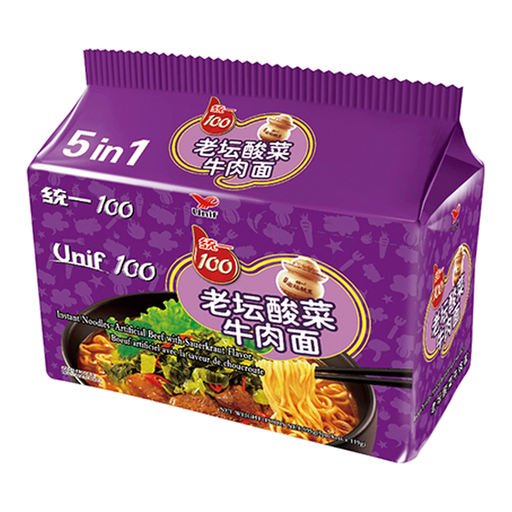
Why it stands out: This product captures the authentic taste of a Taiwanese speciality. The combination of pickled mustard greens and a beef flavour creates a distinctive sour and savoury taste experience.
Pros:
Who it's for: Those who appreciate the characteristic taste of Taiwanese cuisine and are looking for a noodle soup with a pronounced sour component.
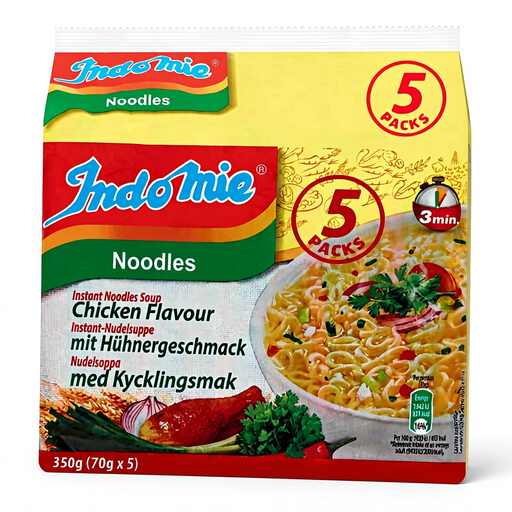
Why it stands out:Indomie noodles with chicken flavour are an internationally renowned classic from Indonesia. The seasoning mix is well-balanced and is complemented by a separate chilli powder sachet, allowing for flexible heat adjustment.
Pros:
Who it's for: Suitable for newcomers to the world of Asian instant noodles, as well as for those who prefer a classic, savoury chicken flavour and want to control the spice level themselves.
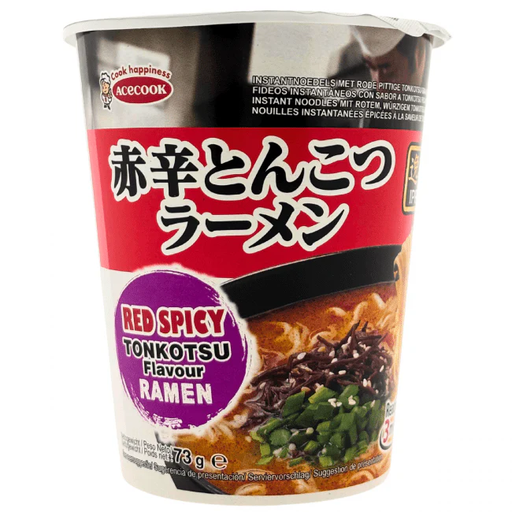
Why it stands out: This noodle soup cup is inspired by Japanese ramen with a tonkotsu broth. The creamy, rich pork-bone-based broth is combined with a zesty spiciness.
Pros:
Who it's for: Fans of robust, umami-packed broths typical of Japanese ramen who aren't afraid of a little heat.
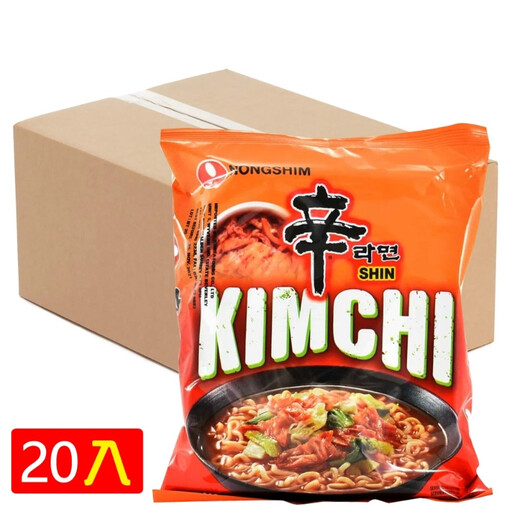
Why it stands out: As a product from one of the leading brands for Korean noodles, Nongshim delivers the authentic taste of kimchi. The soup contains flakes of real kimchi cabbage, which provides its signature sour and spicy flavour.
Pros:
Who it's for: Ideal for fans of Korean cuisine and anyone who wants to experience the unmistakable, spicy-sour taste of kimchi in a quick noodle soup. Perfect if you want to buy instant ramen and stock up.
This selection represents just a small sample of the available flavours. The world of Asian instant noodles is far more extensive, offering countless other varieties, from seafood and curry to vegetarian options.
Looking for more flavours or brands? Explore our entire range of instant noodle soups and find your personal favourite.
Preparation is generally straightforward but varies by product type (bag or cup). For noodles in a bag, they are usually cooked in boiling water for 3–5 minutes. Afterwards, the water is partially or fully drained, and the seasoning packets are stirred in. For cup noodles, the seasonings are added directly to the cup, which is then filled with boiling water and left to steep for a few minutes. Always follow the specific instructions on the packaging.
Although the terms are often used interchangeably, there are characteristic differences. Japanese ramen traditionally places great emphasis on the broth, which is often simmered for hours and is based on ingredients like soy sauce (shoyu), miso, or pork bones (tonkotsu). Korean noodles (ramyun) are, on average, spicier and frequently use ingredients like gochujang (chilli paste) or kimchi, giving them a distinct spicy-hot and often sour note.
While local supermarkets carry a basic selection, specialised online shops offer a much wider variety. When you order instant noodle soup online, you gain access to a broad range of brands and flavours from all over Asia that are often hard to find in brick-and-mortar stores. This allows you to order authentic and niche products directly to your home.