
Lieferung heute & morgen

Qualitätsgarantie

Willkommens-Angebote freischalten: KOSTENLOSE Lieferung | Bis zu 80 % RABATT | Kostenlose 30-Tage-JoyPlus-Testphase
App herunterladen
Asian instant noodles are handy for the cupboard, office or a quick meal on the go. However, Instant Ramen, Cup Noodles and bowl noodles differ considerably in preparation, portion size, seasoning and ingredients. If you choose solely based on the packaging or flavour description, you can easily end up buying a pack that is not right for you.
Descriptions such as “Spicy”, “Hot” or “Kimchi” offer an indication, but they are not a standardised measure of heat. Korean instant noodles can be noticeably hot, while miso ramen tends to have a milder, savoury flavour. For products containing chilli, Sichuan pepper or hot paste, you should check the ingredients list.
For example, Hankow Spicy Sesame Paste Instant Noodles contain chilli and Sichuan pepper and are mixed with a sesame and peanut sauce after cooking. This is quite different in flavour from a classic Asian noodle soup with broth.
Depending on the product, a single portion can weigh approximately 60 to 137 grams. Packaging information often refers to 100 grams, but may sometimes relate to the prepared portion or 100 millilitres of broth. For a fair comparison, you should always consider the following values side by side:
A carton containing 12 cups is appealing for frequent users, but takes up more storage space. You should also plan around the best-before date and how quickly you expect to use them.
Many Cup Noodles contain dried vegetables, seasoning powder and an oil or sauce sachet. However, the quantity and type of inclusions vary. Baixiang Soup Series Homestyle Chicken Soup, for example, contains dried carrots, cabbage and spring onions. Other products rely more heavily on seasoning powder and contain only a small amount of vegetable flakes.
If you would like more variety, you can add fresh ingredients such as spring onions, mushrooms, sweetcorn, tofu or an egg. However, this will affect the nutritional values and preparation time.
Cup Noodles and bowl noodles are practical for workplaces, travel and small kitchens, as the container can be used directly as a serving bowl. Important features include sturdy packaging, a clearly marked fill line and preparation with hot water. With some products, the water is drained off later; with others, it remains in the container as broth.
Dry instant noodles such as the Hankow variety are drained after soaking and mixed with sauce. They produce a dry noodle meal rather than a classic noodle soup.
Depending on the product, preparation times range from around three to six minutes. Examples from the selection include:
The quantity of water is also important. Several bowl products are prepared with approximately 500 millilitres of water. If you are using them in the office, you should therefore have a kettle with sufficient capacity.
Many Asian instant noodles contain wheat or gluten and soya. Depending on the recipe, sesame, peanuts, mustard, celery, fish, prawns, egg or milk may also be present. People with allergies should check the full labelling on the product packaging and pay attention to information about possible traces.
For comparison purposes, it is also useful to know whether the noodles are fried or non-fried. This describes how they are made, but is not a general judgement of quality or healthiness. Bai Xiang Soup Series is listed as having a non-fried noodle base; many other products contain palm oil in the noodle recipe.
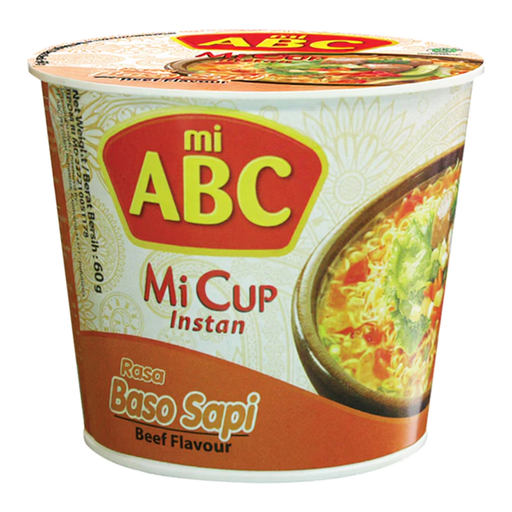
Why this product suits this profile: The 60 g cup is ideal for a single, fuss-free portion and only requires hot water. Its format fits neatly in a desk drawer or rucksack.
The portion size is clearly stated. Dried carrots and leek are also listed; allergens such as wheat, soya and celery should be checked before buying.
60 g cup, simple preparation with water and beef flavour with vegetable flakes.
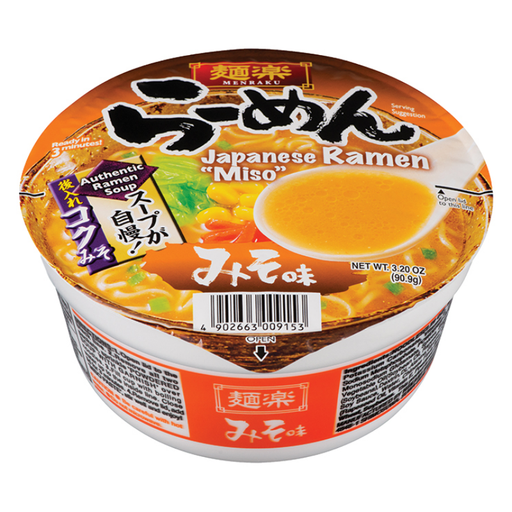
Why this product suits this profile: The Japanese miso ramen combines a separate liquid miso paste with sweetcorn, cabbage and carrots. Separating the seasoning components makes the preparation easy to follow.
The seasoning is not described solely using an unclear umbrella term: ingredients such as miso, soya and sesame are listed.
90.9 g contents, three-minute steeping time and a separate miso paste; made in Japan according to the product details.
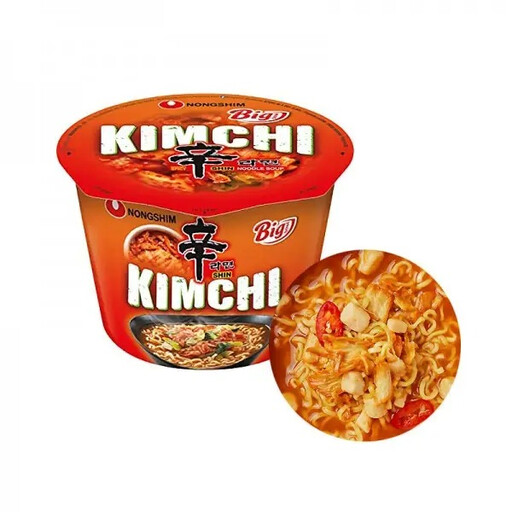
Why this product suits this profile: The bowl contains kimchi flakes and bok choy. With a three-minute steeping time, it is ideal for a quick Korean noodle soup at home or in the office.
The inclusions are clearly named. The salt content is stated as 5.8 g per 112 g portion, allowing you to factor it into your personal purchasing decision.
112 g bowl, dried kimchi and vegetable ingredients, with preparation directly in the container.
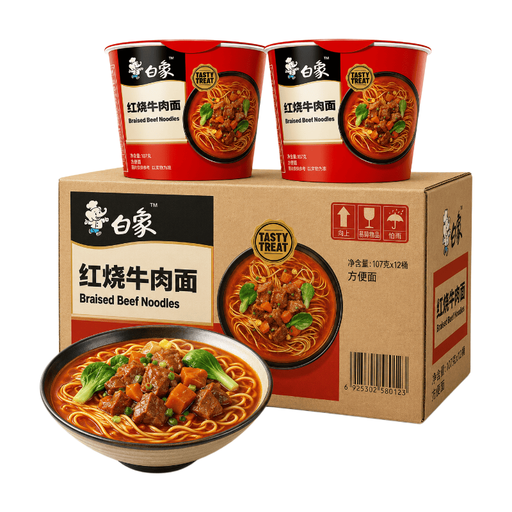
Why this product suits this profile: The carton containing twelve 107 g cups is designed for regular consumption and offers a consistent flavour for households, shared flats or offices.
The noodle, sauce, seasoning and vegetable sachets are listed separately. This makes it easier to check the ingredients in detail before buying.
12 individual cups, 107 g per unit, four-minute preparation and dried vegetables.
We have put together a complete, regularly updated list of products that fully meet these strict selection criteria and the safety regulations applicable in the EU.
Only use the quantity of water stated on the packaging when preparing the noodles. The cup can become very hot after the water is added, so it should be placed on a stable, heat-resistant surface. Depending on the instructions, products with separate seasoning sachets should have them added before or after the water is poured in.
Store unopened Asian noodle soups in a dry, cool place away from direct sunlight. Once opened or prepared, they should be consumed immediately. Depending on the product, the best-before date can be found on the lid, base or outer packaging.
Partially open the lid, add the seasoning and vegetable ingredients as instructed, fill with boiling water up to the marked line and close the cup. Stir thoroughly after usually three to five minutes. The exact time may vary depending on the noodle thickness and product.
The specific best-before date is printed on the relevant packaging. Unopened products are intended to remain suitable for consumption until this date when stored in a dry, cool place. Damaged or damp packaging should not be used. Opened products should be used promptly.
The price per portion depends on the format, brand, individual cup or multipack, as well as delivery costs. A carton of 12 may change the price per unit, while individual cups offer greater flexibility. For an objective comparison, divide the total price by the number of portions included and also take the net weight into account.