
Lieferung heute & morgen

Qualitätsgarantie

Willkommens-Angebote freischalten: KOSTENLOSE Lieferung | Bis zu 80 % RABATT | Kostenlose 30-Tage-JoyPlus-Testphase
App herunterladen
Hello, I'm Joy, your Product Recommendation Officer at Joybuy. The ever-expanding selection of Asian snacks can be overwhelming. Asian jelly dessert, in particular, is enjoying immense popularity, but the variety is vast. My mission is to provide you with clear, objective information so you can make an informed decision—free from marketing hype. This guide will introduce you to different types of jelly desserts and help you find the right product for your taste and lifestyle.
To find the right product for you, it helps to understand a few key differences and features.
The texture and nutritional value of a jelly dessert depend heavily on its main ingredient.
A look at the ingredients list is always advisable. Pay attention to the sugar content, the sweeteners used, and the percentage of fruit juice. Products like konjac jelly often use sugar alcohols such as erythritol, which have few to no calories. Traditional fruit puddings typically contain sugar and fruit juice concentrate, giving them their classic sweet taste. The nutrition facts table provides precise information on calories, carbohydrates, and sugar per 100g.
Asian jelly desserts come in various formats. Small, individually wrapped cups are convenient for on-the-go or as a portioned snack. Larger cups or tins are suitable if you want to use the jelly as an ingredient for other desserts, drinks, or as a topping for ice cream. Squeezable pouches, often used for konjac jelly, are especially practical for a quick, spoon-free snack.
Here is a selection of products that cater to different tastes and needs.
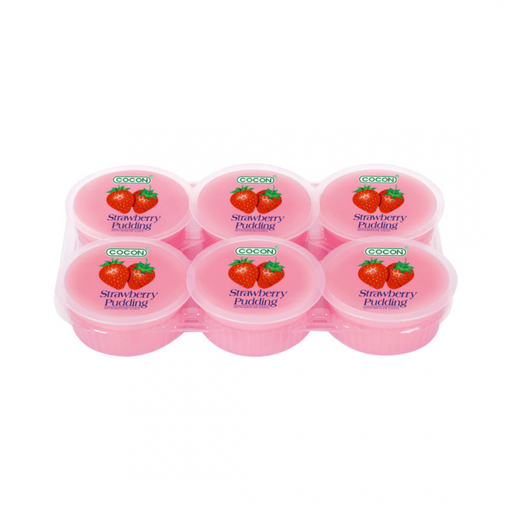
What Makes This Product Stand Out This dessert combines fruity strawberry jelly with chewy cubes of nata de coco. The standout feature is its packaging: the set includes several interconnected individual cups, complete with small spoons. This makes it an extremely convenient option for on-the-go, for a lunch box, or as a portioned dessert.
Benefits
Who Is It For? This product is ideal for families and individuals looking for a hassle-free, fruity snack. It's perfect as a sweet treat between meals or as a light dessert after dinner.
Note: According to the manufacturer, the included colour E129 may have an adverse effect on activity and attention in children.
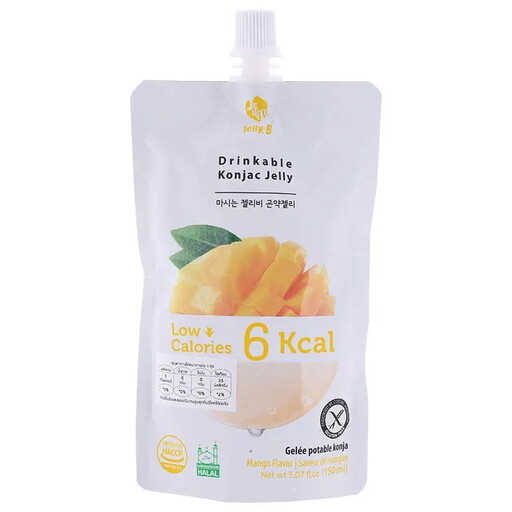
What Makes This Product Stand Out This Korean jelly is designed as a drinkable snack aimed at health-conscious consumers. It is based on konjac flour and sweetened with erythritol, meaning it contains no sugar and, according to the manufacturer, only 6 kcal per 150ml serving. The packaging in a resealable squeeze pouch underscores its convenience factor.
Benefits
Who Is It For? Ideal for anyone looking for a guilt-free sweet snack. It's a suitable choice during a diet, for athletes, or simply for anyone who wants to watch their sugar and calorie intake without giving up a sweet treat.
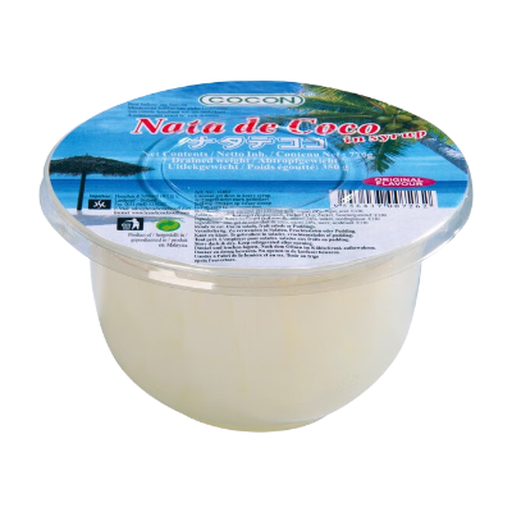
What Makes This Product Stand Out This product offers pure nata de coco in a light sugar syrup. Unlike ready-made jelly puddings, this is a base ingredient. The large, chewy coconut jelly pieces are versatile and come in a larger value pack.
Benefits
Who Is It For? This product is aimed at creative home cooks and lovers of Asian desserts who enjoy experimenting. It's perfect for enhancing bubble tea, sundaes, fruit salads, or other sweets with the signature texture of coconut jelly.
Our selection offers a first glimpse into the world of jelly desserts. If you are specifically looking for more varieties of coconut jelly or other Asian sweets online, you can find additional products in our broader category.
Discover our entire range of coconut jelly here
Nata de coco is a chewy, translucent food product created through the bacterial fermentation of coconut water. It originates from the Philippines and is a popular ingredient in many Asian desserts, puddings, and drinks. It consists mainly of cellulose and water and is known for its gel-like yet firm consistency.
Konjac jelly is often considered a low-calorie dessert. Its base, glucomannan from the konjac root, is a soluble fibre that can expand in the stomach and contribute to a feeling of fullness. Many products are also sugar-free and very low in calories. However, it is important to chew the jelly thoroughly and not to rely on it as a sole source of nutrition.
Finding a growing selection of Asian sweets online is easier today than ever before. Specialised online supermarkets like Joybuy offer a curated selection of imported products, including various types of Asian fruit pudding, nata de coco, and konjac jelly, delivered directly to your door.