
Lieferung heute & morgen

Qualitätsgarantie

Willkommens-Angebote freischalten: KOSTENLOSE Lieferung | Bis zu 80 % RABATT | Kostenlose 30-Tage-JoyPlus-Testphase
App herunterladen
Asian meatballs are a staple ingredient in many East Asian dishes, particularly in Chinese cuisine. They differ from their Western counterparts primarily in their distinctive texture and preparation method. Typically, they are served in soups, noodle dishes, or as a central component in a hot pot. For home cooking, frozen meatballs offer a convenient, time-saving solution, providing access to authentic flavour profiles without the need for laborious preparation from scratch.
Selecting the right Asian meatballs depends on the specific requirements of your dish and your personal preferences. The following criteria offer some guidance.
The base of the meatballs largely determines their flavour profile.
A key quality indicator of Asian meatballs is their springy, almost "bouncy" texture (often described as "Q" or "QQ" in Chinese). This bounciness is achieved through a manufacturing process where the meat paste is intensively worked to alter its protein structure. A good texture provides a pleasant mouthfeel and prevents the meatballs from falling apart during cooking.
Analysing the ingredient list is essential for making an informed purchasing decision. Pay attention to the exact composition, the percentage of meat, and the seasonings used. In accordance with EU regulations, allergens such as wheat, soy, or sesame must be clearly declared. The nutrition facts table provides information on the protein, fat, and carbohydrate content per 100 grams, allowing for mindful integration into your diet.
Most commercially available products are pre-cooked and frozen. This ensures a long shelf life and straightforward preparation. Typically, the frozen meatballs are added directly to boiling water, broth, or a hot pot and are cooked within minutes. Storage at -18°C or colder is crucial for maintaining quality.
Based on the criteria above, we have curated a selection of products that stand out for their specific characteristics.
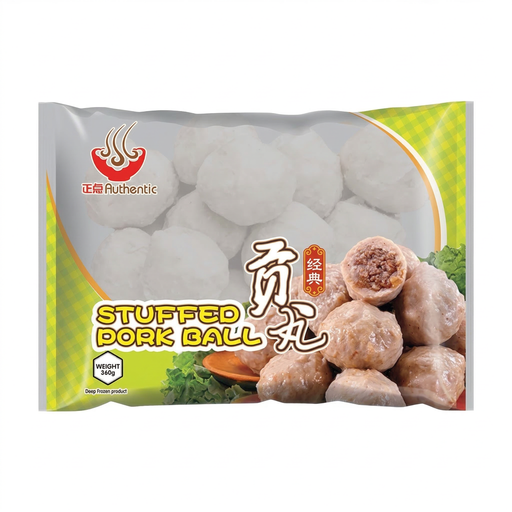
Why we recommend this product: This variety combines a bouncy pork exterior with a savoury, seasoned pork core. The filling provides an extra depth of flavour and an interesting textural contrast in every bite. The product is fully pre-cooked and ideal for quick preparation.
Pros:
Who it's for: This product is for those who appreciate the classic taste of pork meatballs but are looking for added complexity from a filling. It is an excellent choice for preparing authentic Asian stews and soups.
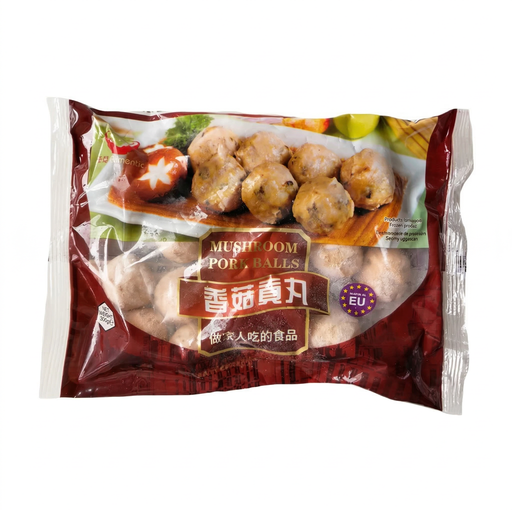
Why we recommend this product: These pork meatballs are enriched with diced shiitake mushrooms. The mushrooms lend the product a distinct umami flavour and an additional, slightly firm textural component. The combination of meat and mushrooms creates an earthy, deep aroma.
Pros:
Who it's for: Ideal for chefs and food enthusiasts who prefer an earthy and complex flavour profile. These meatballs are excellent for adding depth to noodle soups or simple broths.
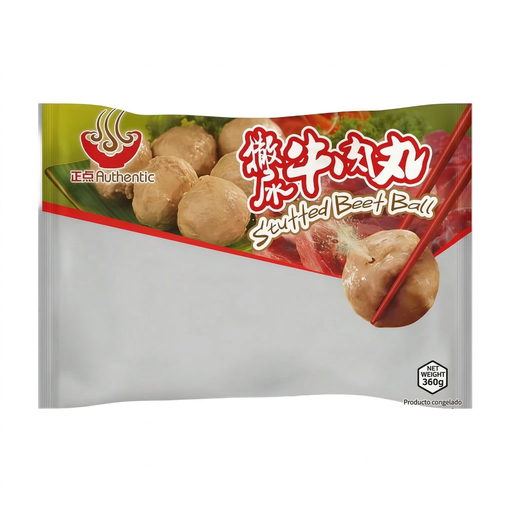
Why we recommend this product: These Asian-style beef meatballs are crafted in the Cantonese style and are distinguished by a broth-filled core. When eaten, a "bursting" effect unfolds, releasing a hot, juicy meat broth. At 15g of protein per 100g, this is the most protein-rich option in this selection.
Pros:
Who it's for: This product is designed for enthusiasts of Cantonese cuisine seeking the authentic "Juicy Beef Ball" experience. It is an excellent choice for a high-quality hot pot or as an addition to a clear beef broth.
In addition to the pork and beef varieties featured here, the Asian specialty segment includes a wide range of products, including those made from other types of meat. You can find a selection of other products, for example, in our Poultry Products category.
1. How do you properly prepare frozen Asian meatballs? Preparation is straightforward. The frozen meatballs should not be thawed. Add them straight from the freezer into boiling water, soup broth, or a hot pot. They are cooked as soon as they float to the surface and are heated through, which typically takes 3 to 5 minutes.
2. What is the main difference between Western and Asian meatballs? The key difference lies in the texture and seasoning. Asian meatballs, especially hot pot balls, have a characteristic springy and bouncy consistency created by a special processing of the meat paste. Western meatballs are generally looser and more tender in structure. Additionally, the seasoning differs; Asian varieties often use soy sauce, sesame oil, and ginger.
3. Where can you buy authentic Asian meatballs? Authentic Asian meatballs are best purchased from specialty Asian supermarkets or online retailers that offer a curated selection of frozen specialties from Asia. These suppliers ensure that the products are made according to original recipes and are delivered while maintaining the cold chain.