
Lieferung heute & morgen

Qualitätsgarantie

Willkommens-Angebote freischalten: KOSTENLOSE Lieferung | Bis zu 80 % RABATT | Kostenlose 30-Tage-JoyPlus-Testphase
App herunterladen
The variety of Asian noodles can be overwhelming. From delicate rice noodles to hearty buckwheat noodles, each type has its own unique texture, flavour, and ideal preparation method. This guide is designed to help you understand the differences and find the perfect noodle for your culinary creations and dietary needs. As your Joybuy Product Recommendation Officer, I have compiled objective information to provide you with clear guidance.
Choosing the right noodle depends on several factors. The following three points will help you make an informed decision.
The foundation of any noodle is crucial for its cooking properties and mouthfeel.
The shape and thickness of the noodle affect how well it absorbs sauces and the role it plays in the dish. Thicker, flat noodles for stir-fries can handle the heat well and optimally absorb rich sauces. Fine, round noodles, on the other hand, are ideal for light broths and salads, as they don't soak up too much liquid and retain their delicate structure.
Specific diets require a targeted selection. If you are looking for gluten-free noodles, products made from 100% rice, buckwheat (be careful: often mixed with wheat, check the label), or konjac root are the right choice. For a low-carb or ketogenic diet, shirataki noodles are a suitable alternative to traditional noodle types due to their extremely low carbohydrate content.
Based on the criteria mentioned, we have put together a selection of different noodle varieties that cater to various needs.
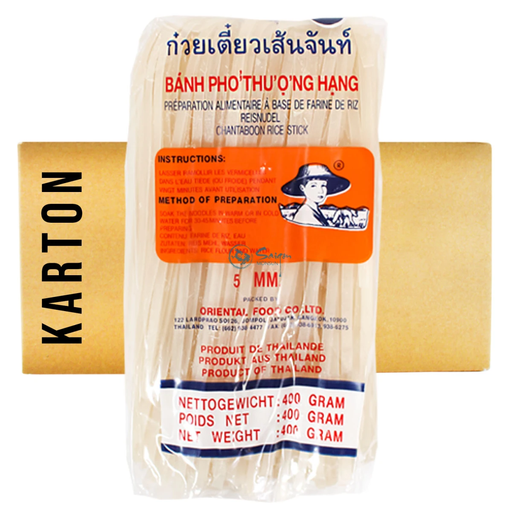
What Makes Them Stand Out According to the manufacturer, these rice sticks are made from 100% rice flour, making them an authentic base for many Southeast Asian dishes. With a width of 5 mm, they offer a substantial yet smooth texture that is ideal for stir-fries. The noodles are neutral in taste and absorb the flavours of sauces and spices exceptionally well.
Pros
Who Are They For? These rice noodles are an excellent choice for home cooks who want to prepare authentic Thai or Vietnamese dishes like Pad Thai or Ph? Xào. Because they are made purely from rice flour, they are also suitable for individuals with gluten intolerance.
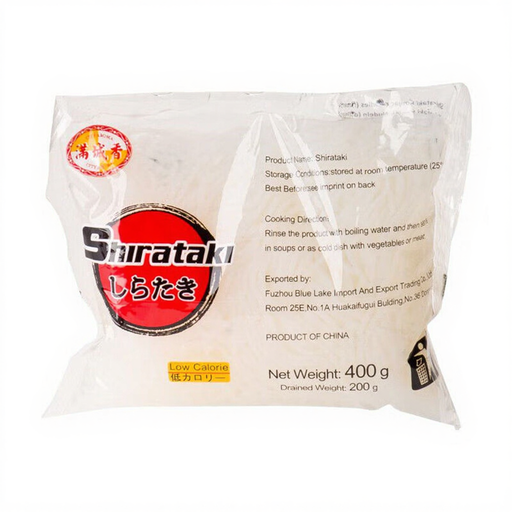
What Makes Them Stand Out These shirataki noodles are made from the flour of the konjac root. Their most notable feature is their nutritional value: according to the manufacturer, they contain only 9.5 kcal and 1.5 g of carbohydrates per 100 g. The texture is firm and chewy. They are packaged in liquid and are ready to use after a quick rinse.
Pros
Who Are They For?Konjac noodles are ideal for health-conscious consumers looking to reduce their calorie or carbohydrate intake without giving up a noodle-like product. They are suitable for soups, salads, and stir-fries where the sauce is the star of the dish.
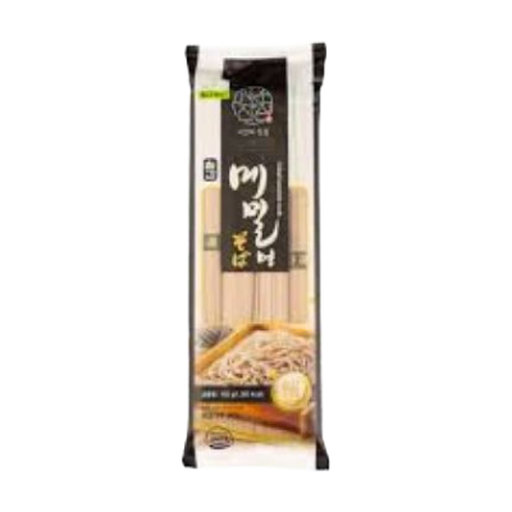
What Makes Them Stand Out These Korean noodles combine wheat flour with buckwheat flour, which gives them a characteristic nutty flavour and a darker colour. The texture is firm and less elastic than pure wheat noodles. This blend makes them a robust noodle that works well in both hot and cold dishes.
Pros
Who Are They For? These buckwheat noodles are for lovers of Korean and Japanese cuisine who are looking for a noodle type with more of its own flavour. They are a great choice for dishes where the noodle itself is a flavour component. Note: Due to the wheat content, they are not gluten-free.
Haven't found the right type for you yet, or just want to browse further? In our category, you'll find a wider selection of noodles for every taste and every dish.
? Discover our entire range of 400g noodles here
A number of Asian noodles are naturally gluten-free. These primarily include rice noodles in all forms (sticks, vermicelli), glass noodles (made from mung bean or sweet potato starch), and shirataki noodles (from konjac flour). Caution is advised with buckwheat noodles (soba): traditionally, they can be made from 100% buckwheat, but many commercially available products contain a portion of wheat flour. Therefore, always check the ingredients list.
Shirataki noodles, also known as konjac noodles, are made from the root of the konjac plant, which is native to Asia. They consist mainly of water and the soluble fibre glucomannan. This makes them almost completely free of calories, carbohydrates, and fat. Their consistency is gelatinous and chewy. They have very little flavour of their own and therefore absorb the aroma of sauces and broths very well.
For dishes from the wok, noodles that are heat-resistant and do not fall apart during quick frying are ideal. Wide, flat rice noodles (rice sticks) are a classic choice. Wheat noodles like udon or mie noodles also work very well, as their elastic texture withstands the high heat. It is important to pre-cook the noodles according to package directions, but make sure they are still firm to the bite ("al dente") before they go into the wok.