
Lieferung heute & morgen

Qualitätsgarantie

Willkommens-Angebote freischalten: KOSTENLOSE Lieferung | Bis zu 80 % RABATT | Kostenlose 30-Tage-JoyPlus-Testphase
App herunterladen
The world of Asian noodles can be overwhelming. From thick udon to delicate buckwheat noodles, choosing the right type is key to perfecting your dish. This guide is designed to help you make an informed decision. As your Joybuy Product Recommendation Officer, I've compiled objective information to introduce you to the best noodles for your kitchen, whether for a quick weeknight dinner or an authentic Asian feast.
To find the perfect noodles, it helps to know a few basic criteria. These three points can make your selection easier when you order Asian groceries online.
Not every noodle is suitable for every dish. The texture and thickness are crucial for how well they absorb broth or sauce.
The base of the noodle determines its flavour and nutritional value. Most Asian noodles are based on wheat flour. However, there are important alternatives. If you're looking to buy soba noodles, you should check the buckwheat flour content. These buckwheat noodles offer a nuttier aroma and often contain more fibre. A look at the ingredients list is also essential for those with allergies.
Asian noodles come in various forms that differ in preparation time:
Based on these criteria, we have curated a selection of versatile noodle varieties suitable for different dishes and preferences.
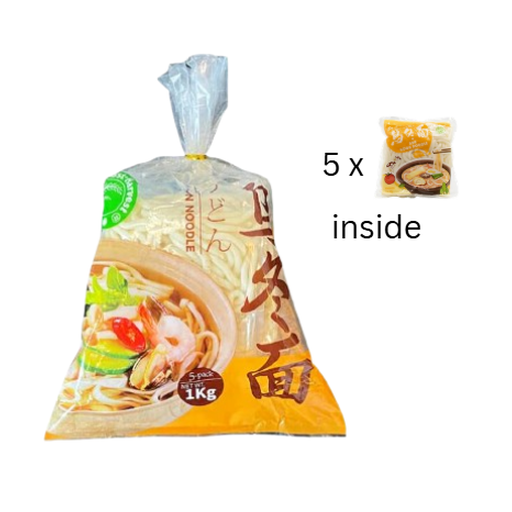
What makes them special: These pre-cooked, Japanese-style udon noodles are distinguished by their thick, smooth, and chewy "mochi-mochi" texture. They are vacuum-sealed and ready to serve in minutes.
Benefits:
Who they're for: Individuals who appreciate the authentic taste and texture of udon noodles but prefer quick and easy preparation. Ideal for stir-fries and soups.
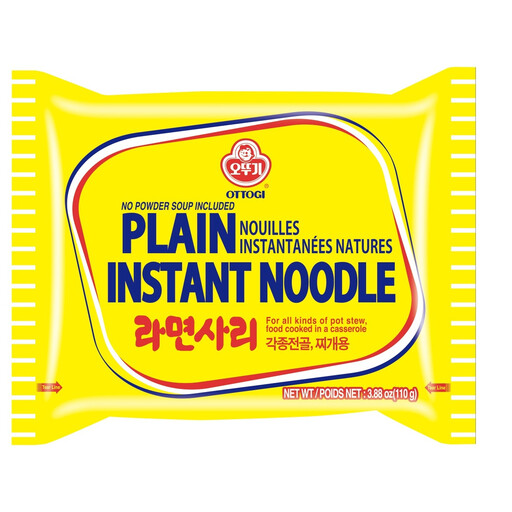
What makes them special: These ramen noodles without soup base (Ramen Sari) provide a neutral foundation for a variety of dishes. They come without a seasoning packet, allowing for complete customisation.
Benefits:
Who they're for: Home cooks who need a quick noodle base but want full control over the flavour of their dish. Also a practical option for students and busy professionals.
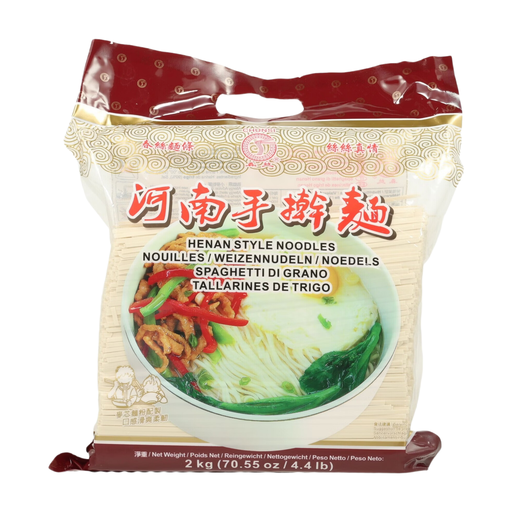
What makes them special: Traditional Henan-style Chinese noodles, known for their firm, chewy texture and smooth bite. The large pack offers excellent value for money.
Benefits:
Who they're for: Lovers of Chinese cuisine looking for an authentic noodle base for soups, stir-fries, or noodle salads who value a traditional texture.
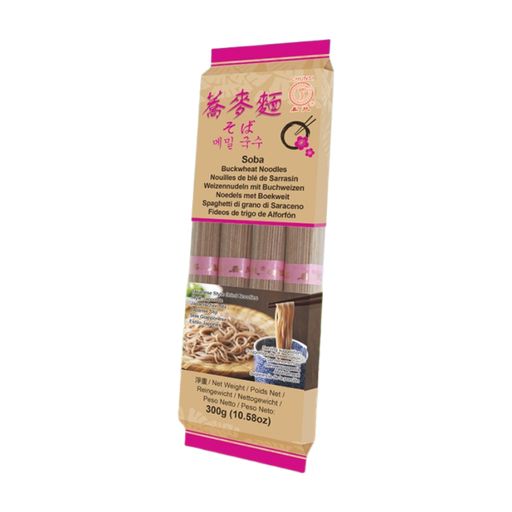
What makes them special: According to the manufacturer, these noodles contain 15% buckwheat flour, which gives them a nutty aroma and a darker colour. They are a nutritious alternative to pure wheat noodles.
Benefits:
Who they're for: Health-conscious consumers and anyone who wants to buy soba noodles to enjoy their characteristic, slightly earthy flavour and incorporate them into their diet.
Our selection covers some of the most popular noodle varieties. However, if you are looking for a specific type or simply want to browse our entire range of Asian groceries online, you can find a wider selection in our natural noodles category.
Udon noodles are thick, white noodles made from wheat flour with a soft, chewy texture. They are often used in warm soups. Soba noodles, which you may know as buckwheat noodles, are thinner and made from buckwheat flour (often mixed with wheat flour). They have a firmer texture, a greyish-brown colour, and a nutty flavour. They are served both hot and cold.
For wok noodles, varieties that retain their shape and texture at high heat are most suitable. Pre-cooked udon noodles are an excellent choice for dishes like Yaki Udon. Egg noodles or broader Chinese noodles made from wheat are also very well-suited, as they absorb sauces well without becoming mushy.
Yes, absolutely. Products like Ramen Sari are specifically designed as ramen noodles without soup base. After cooking, they can be used for stir-fries (yakisoba), noodle salads, or as an addition to stews. They offer a quick and versatile base for creative dishes beyond the classic ramen soup.
Your Joybuy Product Recommendation Officer