
Lieferung heute & morgen

Qualitätsgarantie

Willkommens-Angebote freischalten: KOSTENLOSE Lieferung | Bis zu 80 % RABATT | Kostenlose 30-Tage-JoyPlus-Testphase
App herunterladen
The world of Asian noodle dishes is vast, but choosing the right type of noodle can be a challenge. Whether for a Vietnamese Pho, a Korean Japchae noodle salad, or a quick stir-fry, the noodle is often the defining ingredient that determines the dish's texture and authenticity.
This guide will help you understand the differences between the most common types and find the perfect noodle for your next culinary project. We'll introduce various kinds based on their ingredients and uses, so you can make an informed purchasing decision.
To make the right choice, it's helpful to consider three basic characteristics: the starch source, the shape, and the preparation method.
The noodle's base is crucial for its cooking behaviour and taste.
The shape of the noodle affects how well it absorbs sauces and the mouthfeel it creates.
Here is a selection of different noodle varieties, each suited for specific dishes in Asian cuisine due to their unique properties.
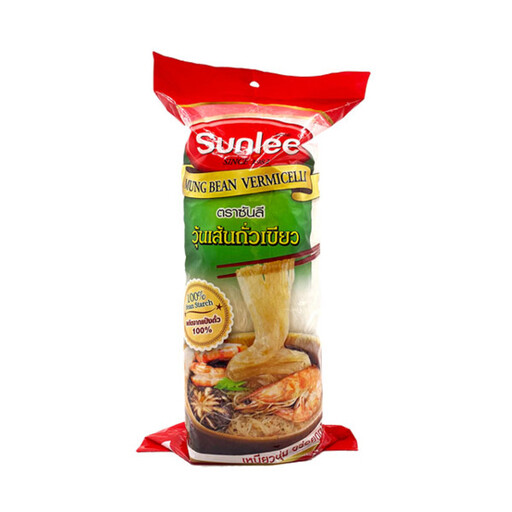
Why It Stands Out: According to the manufacturer, these glass noodles are made from 100% mung bean starch. This composition gives them their characteristic transparent appearance and a springy, yet delicate texture after soaking or cooking. They also retain their shape well in hot soups or sauces.
Pros:
Who It's For: For home cooks who want to prepare authentic Thai or Vietnamese dishes. Also a great choice for anyone looking for a light, gluten-free noodle alternative for salads and soups.
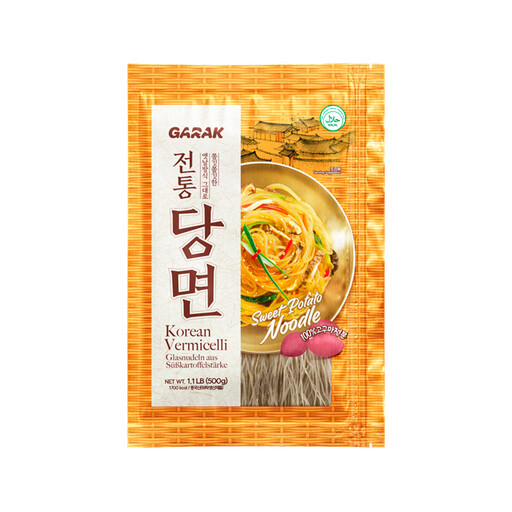
Why It Stands Out: These noodles are made from 100% sweet potato starch and are the traditional choice for the Korean dish Japchae. Compared to mung bean noodles, they are thicker, greyer when dry, and develop a particularly chewy and elastic consistency when cooked.
Pros:
Who It's For: Especially for fans of Korean cuisine who want to make an authentic Japchae. Also for cooks who prefer a more robust glass noodle with more bite for their noodles for stir-fries.
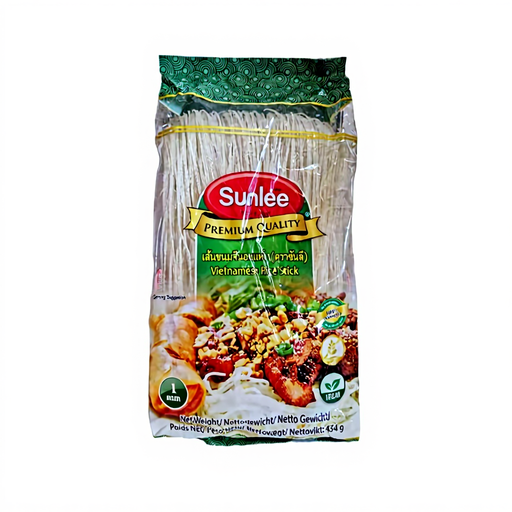
Why It Stands Out: These fine rice vermicelli, known as "Bún" in Vietnam, are made from 100% rice. Unlike glass noodles, they are opaque white after cooking and have a soft, delicate texture. They are the foundation for countless Vietnamese dishes, from noodle soups to salad bowls.
Pros:
Who It's For: For anyone who wants to recreate authentic Vietnamese dishes. Their neutral flavor base and soft texture make them the perfect foundation for fresh herbs, grilled meat, and savory dressings.
The world of Asian noodles is far more diverse. If you want to explore other varieties for your dishes, you can find a wider selection in our vermicelli noodles category to find the right product for your recipe.
The main difference lies in the ingredients and appearance. Rice noodles are made from rice flour and are white and opaque after cooking. Glass noodles are made from starch (e.g., from mung beans or sweet potatoes) and become transparent when cooked. The texture also differs: rice noodles tend to be softer, while glass noodles are more elastic and chewy.
No, not all of them. Many varieties, like the rice noodles, mung bean noodles, and sweet potato noodles featured here, are naturally gluten-free Asian noodles. However, there are also many well-known Asian noodles made from wheat flour, such as ramen, udon, or soba (which often contain a wheat blend). It is therefore important to check the ingredient list on the packaging before buying, especially if you have allergies or intolerances.
There is no one-size-fits-all rule, as the preparation depends heavily on the type and thickness of the noodle. The most important instructions are always on the package. In general: