
Lieferung heute & morgen

Qualitätsgarantie

Willkommens-Angebote freischalten: KOSTENLOSE Lieferung | Bis zu 80 % RABATT | Kostenlose 30-Tage-JoyPlus-Testphase
App herunterladen
The variety of Asian noodles can be overwhelming. From paper-thin rice vermicelli to thick, chewy udon noodles, the selection in supermarkets and online is vast. However, vague labels and marketing hype often lead to poor choices that can ruin the cooking experience. As your Joybuy Product Recommendation Officer, I'll help you navigate the common pitfalls and find the perfect noodle for your dish.
Many home cooks invest in high-quality ingredients for their Asian dishes, but the wrong noodle choice can spoil the result. Watch out for these common problems:
To avoid a bad purchase, you should check three fundamental characteristics. These determine the noodle's texture, flavour, and ideal use.
The main ingredient is the most important factor for texture and mouthfeel.
The shape of the noodle is not arbitrary, but functional.
Your choice depends on your time constraints and storage space.
Here are some recommendations tailored to specific needs and cooking styles that avoid the pitfalls mentioned above.
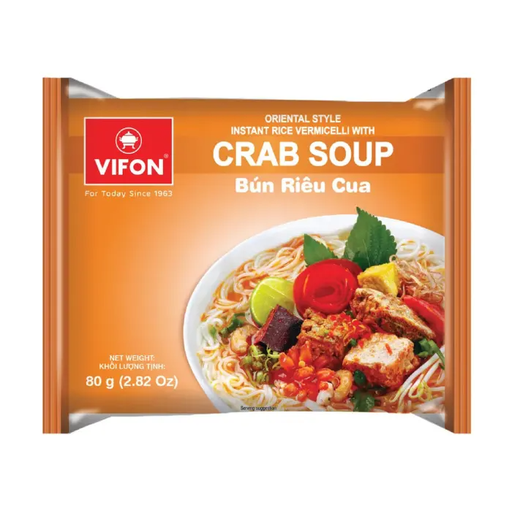
Why This Fits Their Persona: Ideal for anyone who wants to enjoy a flavour-packed, authentic-tasting Vietnamese noodle soup in minutes, without having to buy individual ingredients like crab paste or spices.
This product is clearly positioned as a complete meal. It doesn't promise to be a universal noodle base, but instead delivers a specific dish (sour crab soup) with all the necessary flavour components.
Includes separate packets for the soup base, seasoning oil, and fried shallots, which allows for a more complex flavour profile. Preparation takes only a few minutes.
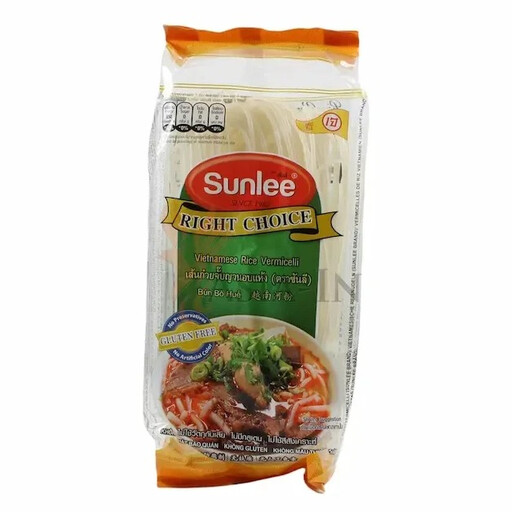
Why This Fits Their Persona: Perfect for cooks who want to authentically recreate a specific, traditional dish like the spicy beef noodle soup Bún Bò Hu? and need the exact noodle thickness and texture for it.
The product name is highly specific, naming the target dish (Bún bò Hu?). This avoids the "authentic" trap by clearly communicating what this noodle is intended for. The ingredient list is minimalist and transparent, with just rice and water.
The thick shape and chewy texture are ideal for holding their form in the rich broth. Made from only two ingredients for a pure, unadulterated flavour.
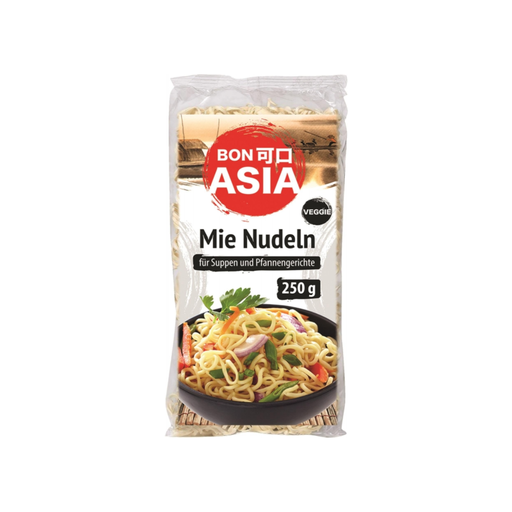
Why This Fits Their Persona: A reliable pantry staple for anyone who cooks regularly and versatilely. These mie noodles are the perfect base for a variety of stir-fried dishes like Bami Goreng or Lo Mein.
The ingredient list with soft wheat flour and durum wheat semolina is clear and precise. You know you're getting a noodle with a firm bite suitable for high heat in a wok, not a soft rice noodle.
The combination of soft and durum wheat provides an elastic yet firm texture that doesn't fall apart when fried. The explicit "egg-free" label is a clear advantage for vegans or those with allergies.
We have compiled a complete, up-to-date list of products that meet these strict selection criteria and current regulations.
1. Which Asian noodles are gluten-free? As a rule, noodles made from 100% rice, mung bean starch, sweet potato starch, or buckwheat (like soba noodles) are gluten-free. This includes most rice noodles (in all forms, from vermicelli to wide ribbons) and glass noodles. However, it is essential to always check the ingredient list, as some manufacturers add wheat starch to alter the texture or save on costs. Look for products explicitly labelled as gluten-free noodles.
2. What is the difference between udon noodles and mie noodles? Both are wheat noodles, but they differ significantly. Udon noodles originate from Japan, are very thick, white, and have a soft, chewy consistency. They are primarily served in soups. Mie noodles, common in Chinese and Southeast Asian cuisine, are much thinner, often yellowish (sometimes due to egg, but not always), and have a more elastic, firmer texture. They are the classic choice for stir-fried dishes.
3. How do I cook rice noodles so they don't stick? Sticking is a common problem with rice noodles, usually caused by too much starch and improper preparation. Here's a proven trick: First, soak the dried rice noodles in very hot, but not boiling, water for the time indicated on the package until they are pliable. Drain them, and then cook them very briefly (often just 1-2 minutes) in boiling water. After cooking, immediately transfer them to a colander and rinse thoroughly with cold water. This removes excess starch and stops the cooking process.